

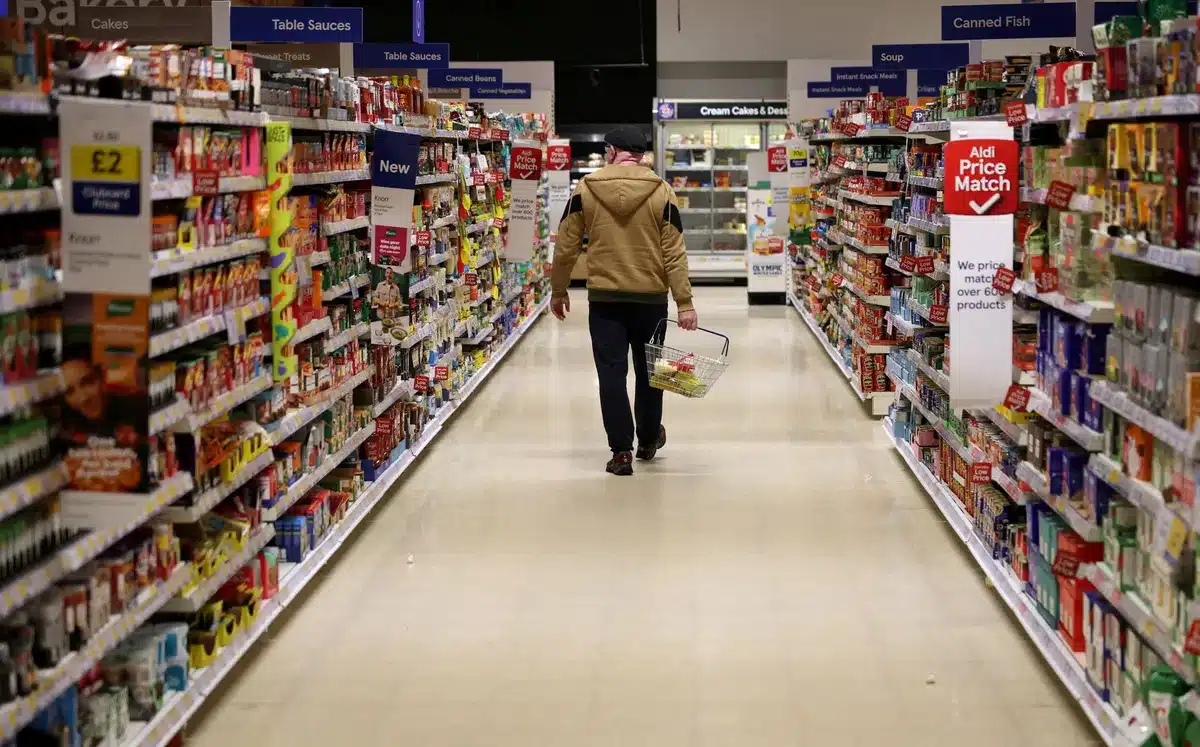
Energy prices are surging due to the ongoing Iran conflict, pushing global companies to raise product prices and straining household grocery budgets worldwide.
Widespread Corporate Price Adjustments
Economists and market analysts indicate that central banks are unlikely to hike interest rates aggressively amid the turmoil. Instead, energy-driven inflation is accelerating as firms pass on higher costs. Energy giants are methodically transferring expenses to consumers, amplifying the trend across sectors.
Among the largest S&P 500 companies, nearly 300 have already implemented about 10% price increases linked to energy expenses. Data reveals that pricing actions and cost pass-throughs reached the highest levels since Russia’s Ukraine invasion in 2022, surpassing post-pandemic peaks.
Key Industries Affected
In the U.S., firms like United Airlines Holdings, Colgate-Palmolive, and 3M are announcing price hikes to offset rising input costs. European companies, including Reckitt Benckiser, plan similar adjustments to cover elevated energy expenses, signaling a broader momentum in price escalations.
The Strait of Hormuz, handling roughly 20% of global oil trade along with vital LNG, plastic resins, and aluminum shipments, has become a flashpoint. Brent crude oil prices spiked to a post-invasion record of $126.41 per barrel.
Airlines Face Fuel Pressures
Fuel cost surges are hitting airlines hard. Spirit Airlines, a low-cost U.S. carrier, has curtailed capacity due to inability to fully offset expenses. Southwest Airlines’ top executive, Bob Jodden, warned of immense fuel pressures, stating, “Such massive uncertainty is testing the company’s business model.”
Consumer Goods and Groceries Impacted
Price impacts extend to everyday items. Plastics essential for clothing and food packaging, tied to petrochemicals, are driving up raw material costs. Lotte Chemical noted that energy price spikes are affecting global manufacturers through raw materials like plastics and higher production and shipping expenses.
U.S. grocery prices have already climbed. NielsenIQ data shows average prices for daily essentials at chains like CVS rose 2.9% over four weeks ending March 28 following the invasion.
Inflation Risks Amplify
Experts view these rises as self-reinforcing amid potential Hormuz disruptions. PIMCO’s Chief Investment Officer, Mark Malek, cautioned that inflation is becoming self-fulfilling. “Passing costs to prices causes further inflation from the outset,” he said. Malek added, “Inflation’s second wave will double the blow, dragging down groceries, drugs, clothing, and shipping across the board.”
