

South Korean citizens living abroad can now access domestic public services without a local mobile carrier, thanks to the newly introduced Overseas Citizen Certificate.
Addressing Long-Standing Challenges for Expats
Many overseas Koreans face hurdles when trying to use public workspace platforms like Uri due to the lack of domestic phone verification. A student studying overseas recently highlighted this issue after purchasing a new foreign phone upon arrival. They noted that without a local carrier, users rely on public hotspots, which poses security risks and often requires direct visits to overseas consulates for identity checks.
Current verification methods expose personal data unnecessarily and complicate access to essential services. Expats frequently buy separate foreign devices just to complete digital authentications.
Government Expands Access with Secure Alternatives
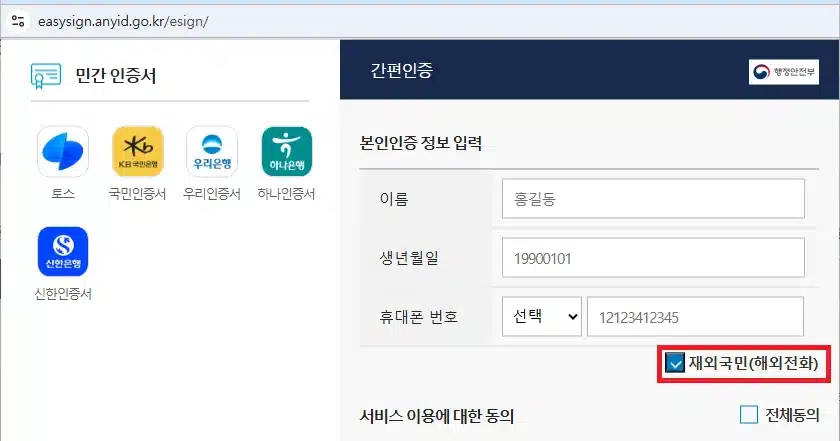
The government activated an overseas mobile verification option and enhanced user rights on June 6. This allows issuance of the Overseas Citizen Certificate directly through public platforms, bypassing domestic phone requirements.
Agencies now support streamlined processes for overseas nationals, residents, and others. Five major private financial apps—KB Kookmin, Shinhan, Woori, Hana, and Toss—enable direct certificate issuance, making it easier for users abroad.
Platforms like Jeongbu24 have broadened support for these convenient certificates. By linking overseas mobile numbers to national codes, users receive secure access to a wide range of services without compromising safety.
Official Emphasis on Convenience and Security
A government official stated, “Overseas citizens can now choose public services using national carriers more conveniently, marking a practical shift.” They added, “Even from afar, collaboration with related departments ensures active changes to the digital service environment for overseas users.”
This initiative protects user data while promoting broader digital inclusion for the diaspora.
