

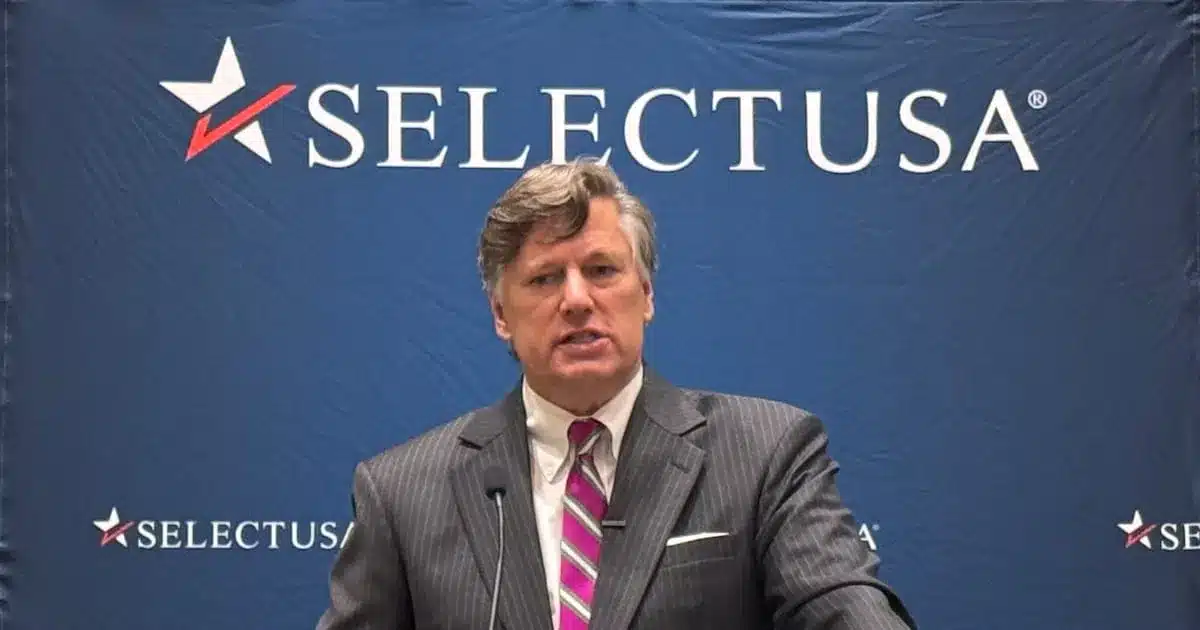
Christopher Landau, a senior US State Department official, emphasized the need for South Korean companies to intensify investments and visa programs in the United States to counter threats from Chinese competitors. Speaking at the SelectUSA investment summit in Maryland on May 5, Landau highlighted that the US visa system treats foreign enterprises fairly by educating workers, yet Korean firms must adopt targeted strategies for deeper penetration.
Expanding Korean Investments in America
South Korea has committed over $3.5 billion (approximately 5.14 trillion won) in direct investments to the US. Notable projects include liquefied natural gas (LNG) import terminals developed by companies like those in Louisiana. However, officials stress that giants such as Hyundai Motor Group and LG Energy Solution must prioritize workforce training and education initiatives in US states to secure non-discriminatory treatment.
Landau noted, “To bring in the right number of workers for these projects, education plays a key role in achieving the desired scale.” He added that Korean investments must avoid becoming mere footholds for Chinese immigrants or visa holders threatening US jobs.
Streamlining Visas and Trade Support
In December, US embassy officials in Seoul introduced the Korea Investment and Trade (KIT) desk to facilitate business expansion and address visa-related concerns. A dedicated initiative, the Partner With Korea Alliance (PWKA), aims to issue up to 15,000 E-4 visas for full-time skilled workers linked to Korean projects.
Active lobbying efforts by Korean firms have already influenced visa policies. Landau stated, “Government policies combined with increased investments ensure smooth harmony.”
Strengthening US-Europe Ties
Landau addressed transatlantic relations, observing that the US, the world’s largest consumer market, has not fully modernized partnerships with Europe. “This goes beyond economics—strategically, the US and Europe must forge new cooperative frameworks,” he said.
Under the Trump administration, officials have critiqued NATO allies for limited participation in key exchanges. Landau affirmed, “Essential ties persist, but the US has endured losses from overly narrow perspectives. Opportunities exist to revitalize the alliance.”
Trump’s Push for Commercial Diplomacy
The administration champions “commercial diplomacy” to generate US jobs and attract investments. Landau praised South Korea as a “low-risk partner warranting preferential treatment due to job creation.” He explained, “A core diplomatic goal involves safeguarding interests through trade with foreign nations.” The US approach prioritizes economic ties, maintaining caution in its global engagements.
