

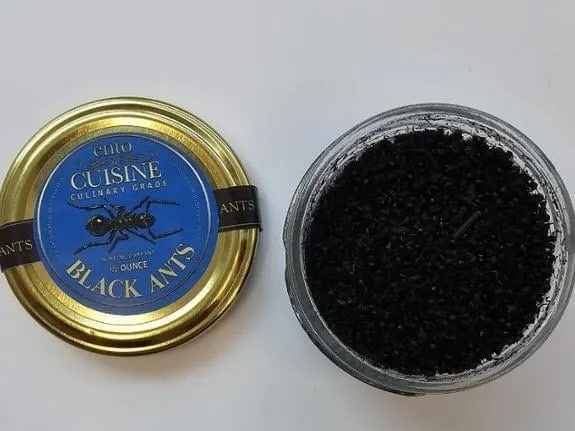
A representative for a two-Michelin-starred restaurant in Seoul’s Gangnam district has been handed a fine for violating food safety regulations by serving ants as a food ingredient. The Seoul Central District Court issued a fine of 15 million Korean won (approximately $11,000 USD) to the restaurant’s representative, identified as Mr. Kim, on charges related to the violation of the Food Sanitation Act. The operating corporation of the restaurant also received a fine of 10 million Korean won (approximately $7,300 USD).
Ants Used in Desserts and Other Dishes
The charges stem from the restaurant’s practice, which began in April 2021, of importing dried ants from countries like the United States and Thailand. These ants were then incorporated into some of the restaurant’s dishes and sold for approximately four years. A signature dessert at the establishment featured about five ants placed atop a sorbet. The unique flavor profile of the ants, described as having a nutty taste and a popping sensation, contributed to the restaurant’s popularity, even earning it the nickname ‘Ant Michelin Restaurant’.
Legal Status of Ants as Food
Under South Korean food law, ants are not classified as edible insects. The Food Sanitation Act permits the use of only ten specific types of insects as food ingredients. This list, outlined in the ‘Standards and Specifications for Food’, includes insects such as migratory locusts, edible silkworms, and Zophobas morio larvae. Since ants are not among these approved species, their use as a food source is prohibited.
The court’s decision considered several factors. While Mr. Kim admitted to the charges and the restaurant was found to have violated the Food Sanitation Act, the court noted that Mr. Kim had no prior record of such offenses and that he might not have been fully aware that ants are not officially recognized as edible insects in Korea. The judge also took into account that the prosecution had initially sought a one-year prison sentence suspended for a year, citing the discovery of heavy metals exceeding standards in the ants used, among other issues.
Restaurant’s Defense and Court’s Considerations
The judge presiding over the case, Lee Se-chang, stated that the court considered the purpose of the law, which is to prevent health hazards from food and protect public health. The judge acknowledged that the restaurant’s actions, which involved using ants not approved as food and potentially exceeding heavy metal standards, were serious. However, the court also factored in Mr. Kim’s admission of guilt, his lack of a criminal history, and the possibility that he was unaware of the specific regulations regarding edible insects. These mitigating factors led to the imposition of fines rather than a more severe penalty.
The prosecution had initially recommended a heavier penalty, including a suspended prison sentence, based on findings that the imported ants contained heavy metals exceeding permissible limits. This was presented as a significant concern regarding public health and food safety. The court’s final ruling, however, leaned towards a financial penalty, reflecting a balance between the severity of the violation and the circumstances presented by the defendant.
Broader Context of Edible Insects
The use of insects as a sustainable food source is a growing global trend, with many countries actively researching and regulating their consumption. Insects are recognized for their high protein content, low environmental impact, and potential to address food security challenges. However, in South Korea, the regulatory framework remains strict, focusing on consumer safety and ensuring that only approved species are used in food products. The case highlights the importance of adhering to these specific regulations, even when incorporating novel or unconventional ingredients.
The restaurant, which held two Michelin stars, is known for its innovative approach to cuisine. While this incident has led to a legal penalty, it also brings attention to the evolving landscape of gastronomy and the challenges of integrating new food items within established regulatory environments. The fines imposed serve as a reminder to all food businesses about the critical importance of complying with food safety laws and ingredient regulations to protect consumer health.
