

Daegu’s Senior Bus Program Shows Significant Economic Impact
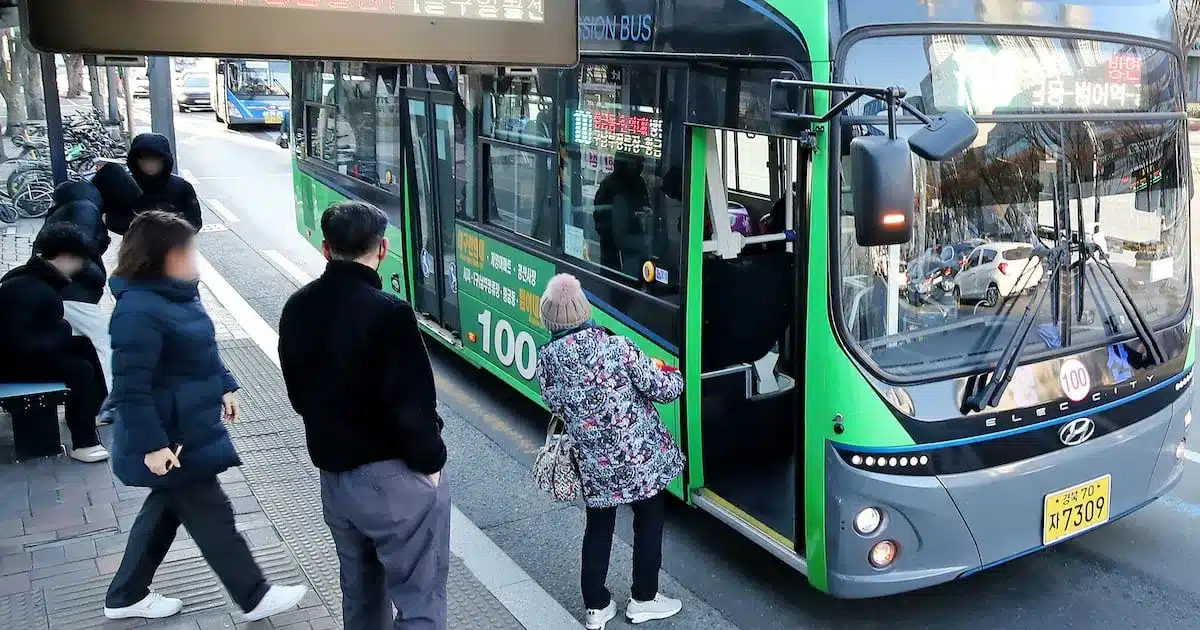
Daegu City’s initiative to provide free bus rides for residents aged 75 and older has generated an estimated economic benefit of 611 billion Korean Won over the past two years and six months. This analysis, conducted by the Daegu Policy Research Institute, highlights the positive fiscal and social impacts of the ‘Senior Citizen Free City Bus Transportation Support Project’.
Program Overview and Expansion
Launched in July 2023, Daegu was the first city in the nation to implement a free public transportation policy for seniors aged 75 and above. The city has a phased approach to expanding this benefit, gradually lowering the age eligibility for city buses by one year annually while increasing the age for free subway access. The goal is to allow all citizens aged 70 and older to use both city buses and subways for free by 2028. Currently, individuals aged 72 and above can use city buses for free, and those aged 68 and above can use subways. As of last year, Daegu had approximately 390,000 residents aged 65 and older.

Financial and Social Returns
According to data from Daegu City and the policy research institute, the program has seen an investment of 92 billion Won from its inception in 2023 until the end of 2025. This investment has yielded a total economic benefit of 153.1 billion Won, resulting in a net positive effect of 61.1 billion Won. The benefits are attributed to increased mobility for seniors, reduced traffic congestion, and positive environmental impacts, which collectively outweigh the costs associated with fare loss, card production, and system implementation.
Increased Ridership and Independence
The implementation of the free bus program has led to a substantial increase in senior ridership. The usage rate of city buses by seniors has nearly doubled, rising from 9.67% before the program’s launch to 17.59% in 2025. Furthermore, the proportion of seniors traveling independently, without a caregiver, has significantly increased from 32.5% to 65.0%. The average daily travel time for seniors has also slightly increased from 14.9 minutes to 15.5 minutes, indicating greater access to essential services like hospitals, traditional markets, parks, and cultural facilities.
Reduced Reliance on Private Vehicles
The data also shows a decrease in the reliance on taxis as a primary mode of transportation among seniors, falling from 10.0% to 2.0%. This shift towards public transit is expected to contribute to various societal benefits, including fewer traffic accidents, reduced congestion, and lower environmental pollution.
Peak Usage Times Identified
Analysis of senior public transport usage reveals that the majority of rides occur between 10 AM and 3 PM. This pattern suggests that senior ridership does not significantly contribute to peak-hour congestion during morning and evening commutes.
Commitment to Enhanced Public Transportation
Heo Jun-seok, Director of Daegu City’s Transportation Bureau, stated, “The senior free transportation support project has once again proven to be a sustainable investment in transportation welfare that expands mobility rights, reduces healthcare and social costs, and stimulates the local economy.” He added, “We will continue to do our best to strengthen the competitiveness of public transportation and build a sustainable public transportation system through continuous improvements in transportation services that citizens can feel.””
