

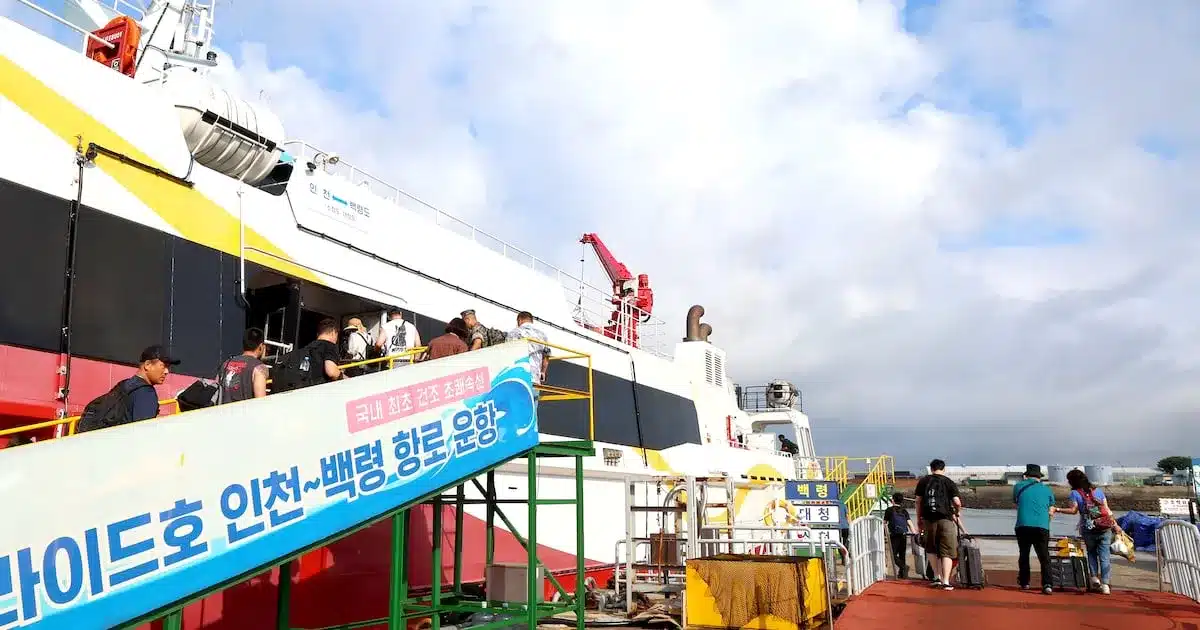
On the morning of October 22nd, a significant security alert prompted the rapid evacuation of approximately 70 vessels from the waters near Baengnyeongdo Island, located in the sensitive border region off the west coast of South Korea. The incident unfolded around 9:46 AM when an emergency message was transmitted to boats operating in the area. The alert warned of a potential emergency situation and instructed vessels to seek immediate shelter in nearby ports.
The urgent communication, delivered via text message, advised fishermen and other maritime workers to move to the nearest safe harbor. In response to this directive, a total of 79 vessels, including 50 fishing boats and 29 leisure craft, promptly navigated to safety. Among the ports they sought refuge in was the Yonggi-po harbor on Baengnyeongdo Island, along with six other nearby locations. This swift action was taken to ensure the safety of maritime personnel and assets in the face of a developing security concern.
Security Alert Triggered by Aerial Anomaly
The security measure was initiated by South Korean military authorities. Their decision to alert the Coast Guard and request the evacuation of vessels stemmed from the detection of an unidentified flying object in the airspace above the Baengnyeongdo area. Intelligence suggested this object was a North Korean military aircraft, prompting a precautionary response to secure the maritime domain.
A spokesperson for the Coast Guard confirmed that the alert was issued after the military detected the movement of what they suspected to be a North Korean military aircraft. The subsequent request for vessel evacuation was a measure to mitigate any potential risks to civilian maritime activities in the vicinity. The military’s objective was to ensure the safety of the waters below while they assessed the situation and monitored the aerial object’s activity.
Resolution and Return to Normal Operations
Following the initial alert and the successful evacuation of vessels, the situation was monitored closely. Approximately two hours and ten minutes after the evacuation order was given, the perceived threat was deemed to have subsided. Around 11:56 AM, the Coast Guard issued a follow-up message, informing the evacuated vessels that the danger had passed and that they could resume their operations at sea.
The resolution of the alert allowed the fishing and leisure boats to return to their work and recreational activities. The incident, though brief, underscored the heightened security awareness in the border regions of the Korean Peninsula. The coordinated response between the military and the Coast Guard demonstrated a commitment to safeguarding civilian lives and maritime interests during periods of potential security instability.
Background: The Strategic Importance of Baengnyeongdo Island
Baengnyeongdo Island holds significant strategic importance due to its proximity to the North Korean mainland. Located in the Yellow Sea, it is the westernmost inhabited island of South Korea and lies just a few kilometers from the North Korean coast. This geographical position makes it a crucial point for South Korean military surveillance and defense operations.
The waters surrounding Baengnyeongdo are frequently monitored for any unusual activity from North Korea. The island itself is home to a military garrison and is equipped with various defense systems. Incidents involving suspected North Korean aerial or maritime incursions, even if brief or ultimately benign, often trigger heightened alert levels due to the long-standing tensions between the two Koreas.
Maritime Safety Protocols in the Border Region
The rapid evacuation of vessels near Baengnyeongdo highlights the established maritime safety protocols in place for the border region. These protocols are designed to respond swiftly to potential threats, prioritizing the safety of fishermen and others working at sea. The use of emergency text messages for rapid dissemination of critical information is a key component of these safety measures.
The South Korean Coast Guard plays a vital role in coordinating maritime safety and security. They work closely with the military to monitor the waters and airspace, particularly in sensitive areas like the Northern Limit Line (NLL), the de facto maritime boundary between North and South Korea. The swift response on October 22nd demonstrated the effectiveness of these collaborative efforts in managing security alerts and ensuring the well-being of the maritime community.
Conclusion: Vigilance in a Tense Environment
The incident near Baengnyeongdo Island serves as a reminder of the ongoing security challenges in the Korean Peninsula. The detection of a suspected North Korean aircraft prompted a decisive response, leading to the temporary suspension of maritime activities for the safety of those involved. The swift resolution and the return to normalcy underscore the preparedness of South Korean authorities to manage such situations effectively.
While the nature of the detected aerial object and its specific intentions remain subjects of military assessment, the precautionary measures taken reflect the strategic importance of the region and the commitment to maintaining maritime safety. The cooperation between military branches and the Coast Guard proved instrumental in navigating the alert and ensuring that civilian vessels could resume their operations without undue risk.
