

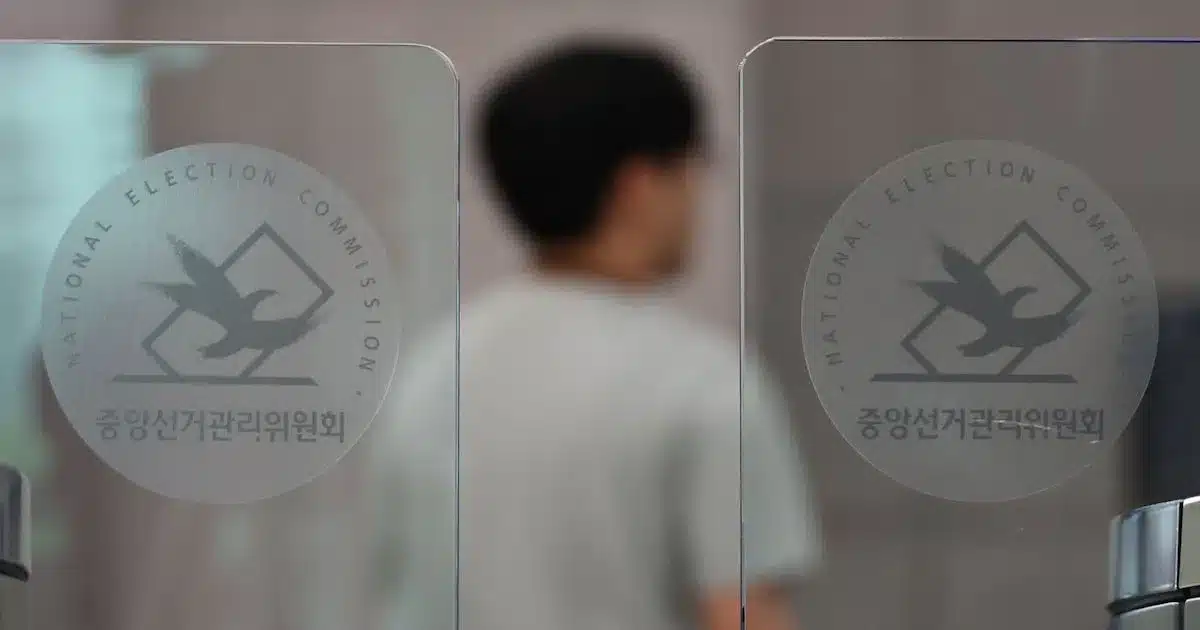
A special investigation team is examining allegations of bid-rigging related to the supply of ballot boxes for the upcoming June 3rd local elections. The probe has led to the questioning of a representative from a company that supplied ballot boxes, identified as Mr. A, who has ties to the Central Election Commission (CEC). Investigators suspect Mr. A’s company may have manipulated the bidding process to secure contracts, allegedly by using shell companies to appear as competitors.
Investigation into Ballot Box Procurement
The special investigation, led by Investigator Lee Tae-han, is focusing on potential irregularities in the procurement of ballot boxes. Mr. A, whose company has secured numerous contracts with the CEC, was summoned for questioning on the 20th. Authorities are scrutinizing whether Mr. A colluded with CEC officials prior to submitting bids to ensure his company’s selection.
Records indicate that Mr. A and his family are associated with three companies that have collectively entered into 103 contracts with the CEC. This extensive contractual history has raised concerns among investigators.
Past Contracts and a Troubled Delivery
A significant contract awarded last year involved the supply of semi-transparent ballot boxes for the June 3rd local elections. The value of this contract was approximately 1.265 billion won. However, the delivery of these ballot boxes was marred by significant issues. It was confirmed that 790 of the distributed ballot boxes nationwide had defects, such as improperly attached components or faulty locking mechanisms. These defective units had to be recalled.
Adding to the scrutiny, questions have arisen regarding the CEC’s handling of the delayed delivery of these pre-election ballot boxes. It is alleged that the CEC suggested to Mr. A’s company that the reason for the delay should be attributed to rising raw material costs due to the Middle East conflict, rather than the actual product defects.
The original deadline for delivery was April 30th. When this deadline was extended, the CEC reportedly sent an email to Mr. A’s company, requesting a formal explanation. The email allegedly included a draft explanation for the company to submit, detailing the reason for the delay. Mr. A’s company submitted the explanation with minimal alterations, adhering closely to the CEC’s suggested wording.
In reality, the delay was caused by the need for remedial work and adjustments due to product defects. This situation is seen by the investigation team as evidence supporting the suspicion of official misconduct within the CEC.
Financial Implications and Lack of Recourse
The delay in delivery resulted in financial losses exceeding 100 million won. Despite these substantial damages, the CEC reportedly did not take any action, such as pursuing compensation for the losses. This inaction further fuels the investigation’s focus on potential impropriety.
The investigation is ongoing, with authorities seeking to uncover the full extent of any collusion or manipulation in the procurement process for election materials. The integrity of the upcoming local elections is paramount, and ensuring a fair and transparent bidding process for all necessary supplies is a key objective.
Broader Context of Election Material Procurement
The procurement of election materials, such as ballot boxes, is a critical component of ensuring the smooth and fair conduct of democratic processes. These materials must meet stringent quality standards and be delivered on time to facilitate efficient voting procedures.
Concerns about the quality and timely delivery of election supplies can erode public trust in the electoral system. Therefore, robust oversight and transparent procurement practices are essential. Independent investigations into any suspected irregularities are vital to maintaining public confidence and upholding the principles of fair competition.
The current investigation aims to address these concerns by thoroughly examining the contract awarded to Mr. A’s company and the subsequent handling of delivery issues. The findings are expected to shed light on potential systemic weaknesses or misconduct within the procurement framework for election materials.
Potential Consequences and Future Measures
If the allegations of bid-rigging and collusion are substantiated, it could lead to severe consequences for the individuals and companies involved. This may include legal penalties, debarment from future government contracts, and significant damage to professional reputations.
Furthermore, such an investigation highlights the need for continuous review and improvement of public procurement processes. Strengthening internal controls, enhancing transparency, and ensuring independent oversight are crucial steps to prevent future occurrences of corruption or undue influence in the awarding of government contracts, particularly those related to sensitive areas like election administration.
The outcome of this investigation will likely inform future policies and procedures related to the procurement of election materials, aiming to safeguard the integrity of the electoral process and ensure that public funds are managed responsibly and ethically.
