

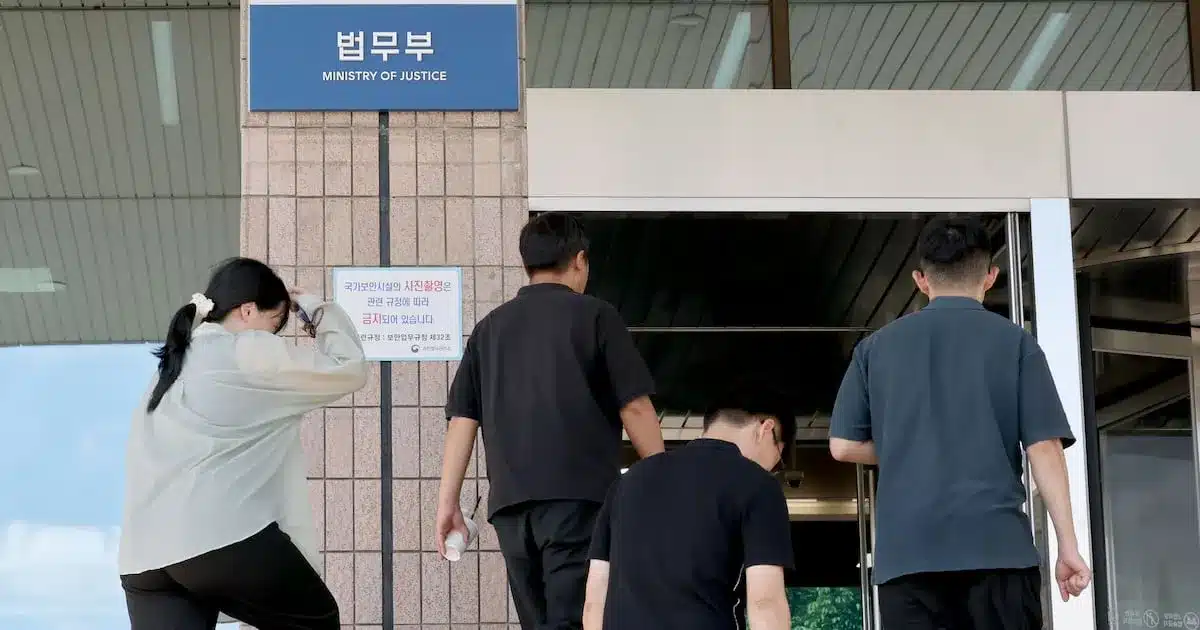
The Ministry of Justice has announced a significant increase in its budget for next year, with a substantial portion allocated to national compensation for victims of past crimes. The proposed budget for this specific fund is set at 840 billion won, a nearly fivefold increase compared to the 144.8 billion won allocated this year. This expansion reflects a broader rise in the ministry’s overall expenditure, signaling a renewed focus on supporting individuals who have suffered due to historical injustices and criminal acts.
Ministry’s Overall Budget Expansion
The Ministry of Justice’s total expenditure plan for the upcoming year has been set at 5.4056 trillion won. This represents a notable increase of 14.9%, or 701 billion won, from the current year’s budget of 4.7046 trillion won. This overall budget growth underpins the various initiatives and programs the ministry intends to implement, including the enhanced victim compensation fund.
Addressing Overcrowding and Improving Conditions
Beyond victim compensation, the ministry’s budget also addresses critical issues within correctional facilities. A significant allocation of 12.9 billion won has been earmarked for environmental improvements in correctional facilities, specifically to mitigate issues of overcrowding and excessive use of living spaces. This marks a notable shift, as no funds were specifically allocated for such improvements in the current year’s budget.
Furthermore, to boost the number of inmates participating in work programs, the budget includes 65 billion won for the construction of new vocational training centers. This is more than double the 3 billion won invested this year, indicating a strong commitment to providing rehabilitative opportunities through labor.
Focus on Juvenile Offenders and Safety Measures
Special attention is being given to juvenile offenders, with 26 billion won dedicated to operating specialized juvenile protection agencies and enhancing educational programs for young offenders who are at high risk of re-offending. This initiative aims to provide targeted support and intervention to prevent recidivism among vulnerable youth.
To improve safety within correctional facilities, 10.8 billion won will be invested in upgrading surveillance systems. These enhanced systems will enable real-time monitoring of incidents such as self-harm and violence among inmates. Additionally, 9.6 billion won is allocated to expand electronic monitoring systems, providing one-on-one digital surveillance, and to strengthen on-site supervision by correctional officers.
The ministry is also investing 1.6 billion won to improve treatment and rehabilitation infrastructure for inmates within correctional facilities. This funding will also support enhanced drug inspections for individuals under observation for drug-related offenses.
Substantial Increase in National Victim Compensation Fund
The most striking increase is in the National Victim Compensation Fund, which supports the swift resolution and relief for victims of past crimes. This fund is projected to grow from 144.8 billion won this year to a substantial 840 billion won next year. This nearly fivefold expansion underscores the government’s commitment to providing more comprehensive and timely support to victims, acknowledging the long-term impact of criminal acts and historical injustices.
Broader Implications and Future Outlook
The substantial increase in the budget for victim compensation and the overall expansion of the Ministry of Justice’s financial resources suggest a strategic prioritization of social welfare and restorative justice initiatives. By significantly bolstering the National Victim Compensation Fund, the ministry aims to address the financial and emotional toll on victims more effectively. The concurrent investments in improving correctional facility conditions, enhancing rehabilitation programs, and strengthening safety measures indicate a holistic approach to the justice system, focusing not only on punishment but also on rehabilitation and victim support. This forward-looking budget reflects a commitment to building a more just and supportive society for all citizens, particularly those who have been most affected by crime and historical circumstances.
