

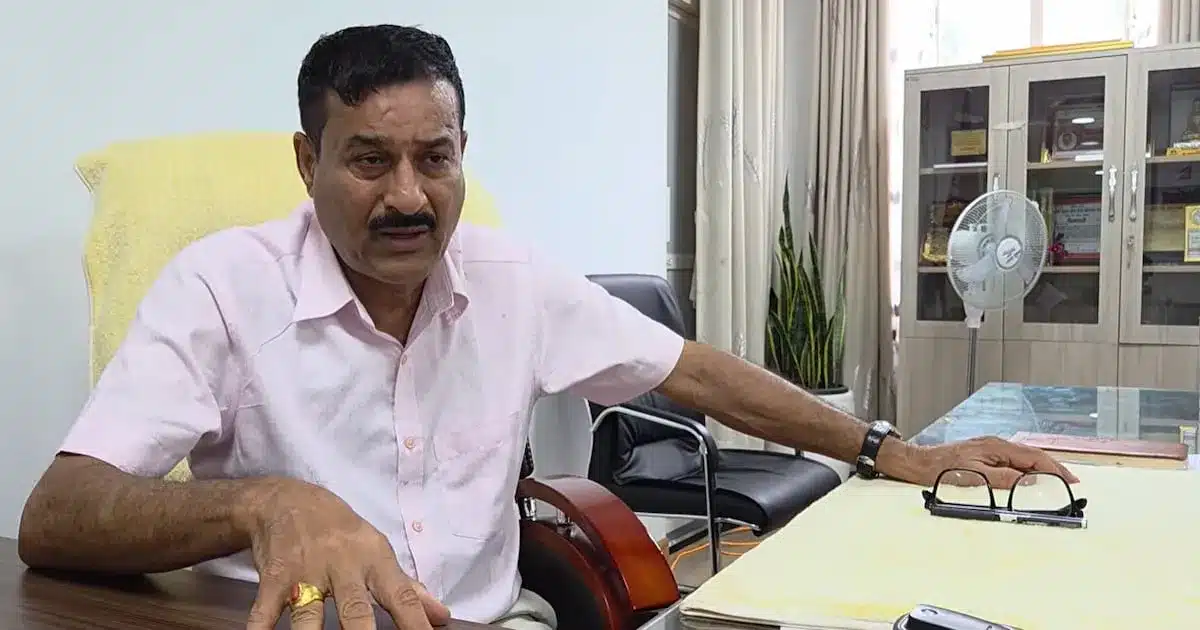
In the aftermath of devastating floods in Nepal, the mayor of Bharatpur Metropolitan City, Renu Dahal Adhikari, has detailed the challenging process of managing hundreds of unidentified bodies. Speaking from the flood-affected Baraphare area in Chitwan on August 1st, Mayor Adhikari appealed for international attention and support for Nepal’s ongoing recovery efforts.
Managing the Unidentified Dead
The torrential rains and subsequent floods have claimed numerous lives, leaving many bodies unidentifiable due to severe decomposition. Mayor Adhikari confirmed that 274 bodies have been processed in the last three days alone. These remains are being temporarily stored in the Devghat area, a site considered sacred in Nepal, as authorities work to identify them.
The scale of the disaster has overwhelmed local facilities. Bodies washed downstream as far as 200 kilometers from the epicenter in the Trishuli River have accumulated in Chitwan. The high temperatures and inadequate cold storage have accelerated decomposition, making identification extremely difficult. “Many bodies are severely decomposed, making it impossible to ascertain their identities,” Mayor Adhikari stated.
Temporary Burial Procedures
To manage the sheer volume of remains, a temporary burial process has been implemented. Bodies are placed individually in trenches approximately 100 meters long, dug using bulldozers and excavators. Each body is tagged with a unique identification number for DNA analysis, and the burial sites are marked with flower pots and numbered signs. Efforts are also underway to erect fences to protect the remains from wild animals.
The decision to use Devghat for temporary burial stems from its religious significance. “In Nepal, there is a saying that Devghat is where the gods reside,” Mayor Adhikari explained. “Even in Kathmandu, people nearing death request their final rites be performed in Devghat.” She believes that performing the final rites for unidentified bodies in such a sacred place is appropriate, signifying a wish for the protection of the deceased by the gods and the eternal resting place of their souls.
The burial sites have been chosen in the forested areas near the river, at a respectful distance from the water, to ensure the sanctity of the location and prevent further disturbance.
The 12-Year Preservation Protocol
Nepal has a protocol in place for the temporary preservation of unidentified bodies. Families have 12 years to come forward with matching DNA evidence to claim the remains of their loved ones. If identified within this period, the body will be handed over to the family. Should no family members come forward after 12 years, the bodies are naturally expected to decompose and disappear.
Mayor Adhikari emphasized the city’s commitment to managing these sites responsibly for the stipulated 12-year period, ensuring they are preserved until families can be reunited with their lost relatives. “We will manage them safely during that time,” she assured.
Potential for Cross-Border Identification Issues
Concerns have been raised about the possibility of bodies being carried across the border into India. Reports suggest that as many as 54 bodies may have floated into Indian territory, with an additional 34 fragmented or dismembered body parts found. Mayor Adhikari acknowledged this possibility, stating, “We need to confirm how many bodies or remains have been carried downstream into India.” This uncertainty complicates identification efforts and underscores the need for cross-border cooperation.
The mayor also addressed the question of foreign nationals among the victims. While there have been no official reports of Koreans or other foreigners among the unidentified bodies, she could not definitively rule out the possibility. “I have not received any direct confirmation, so I cannot say for sure,” she said, reiterating that the severe condition of the bodies makes identification a significant challenge.
Flood Response and Impact
The floods, which occurred on July 26th, prompted an immediate response from the Bharatpur Metropolitan City administration. Mayor Adhikari received initial flood-related information around 8:45 AM and initiated response measures by 9:00 AM. By 9:30 AM, police were deployed along a 35-kilometer stretch of the Narayani River to broadcast evacuation advisories.
The floodwaters reached Devghat around 4:30 PM. Adhikari ordered the closure of roads and bridges to manage traffic and prevent further risks as the water levels rose, potentially inundating the Narayani bridge area.
While Bharatpur Metropolitan City experienced relatively minor direct human and property losses due to the floods, largely attributed to the wide, flat riverbanks and a maximum water level rise of only about 3 meters, surrounding areas were not so fortunate. Facilities in five districts along the Narayani River—Rasuwa, Nuwakot, Dhading, Gorkha, and Tanahun—suffered significant damage.
A Plea for Asian Solidarity
Mayor Adhikari drew a parallel between Nepal and South Korea, highlighting South Korea’s rapid development in Asia. She expressed a desire to learn from and adapt Korea’s development experiences. “Korea is a country that has developed significantly in Asia in a short period, and we have been trying to adopt that development and construction experience,” she stated.
Concluding her appeal, she emphasized the shared identity of Asian nations. “We are all Asian countries, and we are all Asian people. Therefore, please pay attention to this disaster,” she urged, calling for solidarity and support from the broader Asian community.
