

A new research institute, dedicated to exploring new models of national governance in response to evolving societal and economic landscapes, has been established. The ‘Platform Nation Research Institute’ will focus on critical contemporary issues such as the platform economy, the proliferation of artificial intelligence (AI), climate change, and growing inequality. Its official launch ceremony is scheduled for the afternoon of October 10th at the Francis Education Center in Jeong-dong, Seoul.
Founding and Leadership
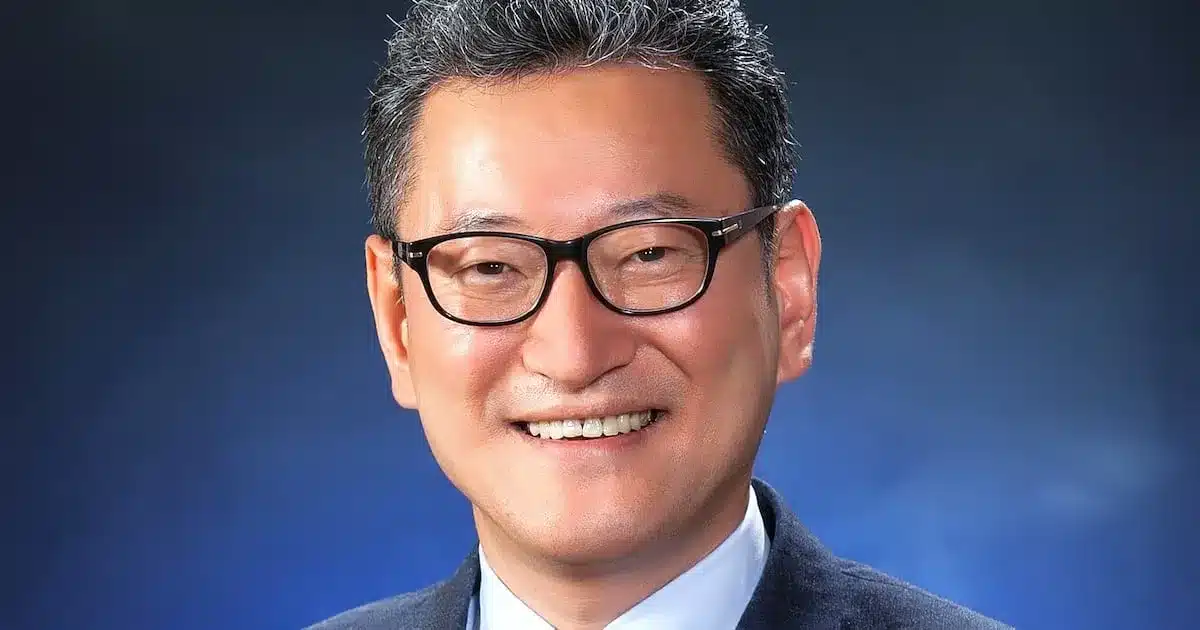
The institute’s inaugural director will be Professor Yongjin Kim from Sogang University’s Business School. The launch event is expected to draw a distinguished audience, including Minister of the Interior and Safety Jong-ju Yoon, along with representatives from government, academia, and industry.
The Platform Nation Research Institute was founded to investigate the role and operational methods of 21st-century nations in addressing emerging challenges. These challenges include the complexities of the platform economy, the rapid advancement of AI, the urgency of the climate crisis, and persistent societal inequalities. The research efforts will primarily involve faculty members from Sogang University’s Business School.
Key Research Areas
The institute plans to tackle significant research questions centered on how to integrate and manage public assets, data, services, and decision-making structures. A core focus will be on exploring innovative mechanisms for citizen participation in national governance processes. This includes examining national operating systems, policy adjustments, and the governance frameworks for data, AI, and platforms. The equitable distribution of public assets and the nature of citizen engagement are also slated for in-depth study.
Professor Kim articulated the institute’s mission, stating, “We must move beyond merely questioning the extent of state intervention and instead deliberate on the structures and principles by which the state should operate. Our aim is to research the evolving relationships between the state, market, and citizens, and the changing modes of national governance, to formulate policy responses.”
‘Platform Nation Theory’ Unveiled
Coinciding with the institute’s launch, a commemorative event for Professor Kim’s book, ‘Platform Nation Theory,’ will also take place. In his book, Professor Kim identifies a common underlying factor for issues like the climate crisis, inequality, and the monopolistic tendencies within platform economies. He terms this phenomenon ‘triple privatization’.
Triple privatization, as defined by Professor Kim, refers to the concentration of physical assets and data assets within a select few, coupled with limited substantive citizen participation in crucial decision-making processes. To address this multifaceted challenge, Professor Kim proposes the concept of a ‘platform nation’.
Principles of the Platform Nation
The platform nation, according to the theory, is envisioned as an integrated operating system governed by three core principles: connectivity, openness, and citizen-centricity. In this model, the state would serve as a provider of resources and processes, while citizens and businesses would be empowered to innovate freely within this framework. This approach aims to foster a more dynamic and inclusive model of national development.
Broader Implications and Future Directions
The establishment of the Platform Nation Research Institute signifies a proactive approach to understanding and shaping national governance in an era defined by rapid technological advancement and complex global challenges. By bringing together experts from various fields, the institute aims to generate actionable insights and policy recommendations that can help nations adapt and thrive.
The research will likely delve into how traditional governmental structures can be reconfigured to accommodate the decentralized and interconnected nature of the digital age. This includes exploring new forms of public-private partnerships, data-sharing protocols, and digital platforms designed to enhance democratic participation and equitable resource distribution.
Professor Kim’s ‘Platform Nation Theory’ offers a theoretical foundation for these explorations, suggesting a paradigm shift from a top-down governance model to one that is more collaborative and responsive to the needs of its citizens and the demands of a rapidly changing world. The institute’s work is poised to contribute significantly to academic discourse and policy debates on the future of governance.
The focus on AI and the platform economy is particularly timely, as these forces continue to reshape economies and societies globally. Understanding how to harness their benefits while mitigating potential risks, such as increased inequality or market concentration, will be a critical task for policymakers and researchers alike. The institute’s commitment to exploring these complex interdependencies underscores its ambition to provide forward-thinking solutions.
