

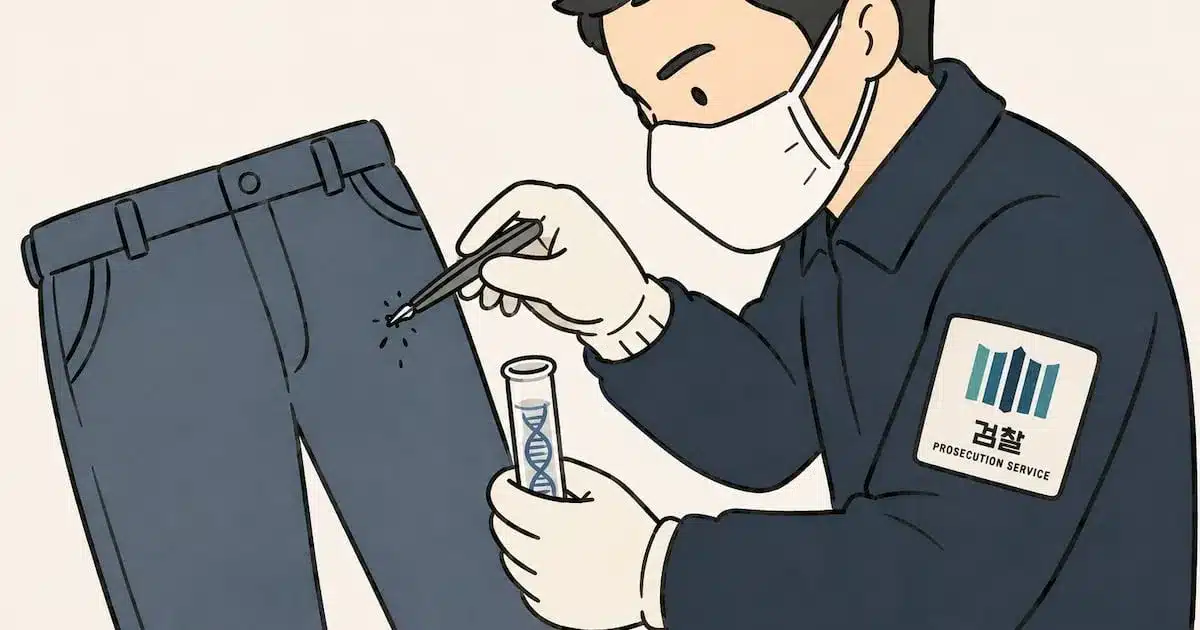
The Supreme Prosecutors’ Office’s Scientific Investigation Division (SID), which has maintained international accreditation as a testing laboratory for nearly two decades, faces potential disruption due to organizational restructuring. Concerns are mounting that the unit’s vital functions, expertise, and resources might be transferred to other agencies, potentially jeopardizing its long-standing international recognition.
Decades of International Recognition in Forensic Science
Since 2007, the Supreme Prosecutors’ Office has held accreditation as an international testing laboratory under the Korea Laboratory Accreditation Scheme (KOLAS). This accreditation signifies the unit’s capability to perform a wide range of forensic tests and examinations to internationally recognized standards. Currently, the SID is recognized for 20 distinct testing and examination methods across various forensic disciplines, including DNA analysis, document verification, and digital forensics.
KOLAS accreditation is a rigorous process that evaluates a testing facility’s quality management system and technical competence. It serves as a crucial indicator that the laboratory can conduct tests and analyses at a level that meets international benchmarks. Because KOLAS is a signatory to the International Laboratory Accreditation Cooperation (ILAC) Mutual Recognition Arrangement (MRA), test reports issued by the SID under KOLAS accreditation are mutually recognized in over 100 countries that are also ILAC MRA signatories. This international recognition lends significant credibility to the findings of South Korean forensic investigations.
The importance of this accreditation was vividly demonstrated in the 2022 ‘Busan Hit-and-Run’ incident. In that case, the SID analyzed 121 samples collected from the victim’s clothing and successfully identified the perpetrator’s DNA. This crucial evidence was accepted by the court, leading to a conviction for aggravated assault and homicide. The perpetrator, Mr. Lee, was ultimately sentenced to 20 years imprisonment by the Supreme Court. The method used in this case, ‘Y-chromosome STR DNA analysis,’ is one of the accredited methods held by the SID.
Restructuring Risks International Standing
The core of the current concern lies in the potential aftermath of the abolition of the prosecution’s investigative powers. Discussions are underway regarding the restructuring of prosecutorial agencies, with proposals suggesting that the SID’s key functions, personnel, and resources could be transferred to the Central Investigation Division or integrated with the National Forensic Service.
Such a reorganization could lead to significant changes in the SID’s affiliation, testing locations, essential equipment, and the individuals responsible for technical and quality assurance. According to the current Enforcement Rule of the Act on Conformity Assessment, any changes in the legal status or organizational structure of an accredited laboratory require a notification of change. Furthermore, if critical aspects affecting accreditation standards, such as the location of the business or the facilities, are altered, a separate re-evaluation may be necessary.
Guidelines from the Korean Agency for Technology and Standards suggest that if only the name of the institution changes but the testing locations, personnel, and equipment remain the same, the change can be processed through a document review. However, if the testing location changes, a new on-site assessment, in addition to the document review, would be required. Significant shifts in key personnel, such as the technical or quality managers, would necessitate a more rigorous evaluation.
An official from the Korean Agency for Technology and Standards commented on the potential consequences: “If deficiencies are found during an on-site assessment, corrective actions will be mandated through market surveillance. In cases of severe non-compliance, the accreditation scope for specific tests or even the entire laboratory’s accreditation could be revoked.”
Uncertain Future for the Scientific Investigation Division
The ultimate fate of the Scientific Investigation Division remains uncertain. The specific organizational plan for the prosecution service has not yet been finalized, leaving questions about whether the SID will be retained within the prosecution structure and, if so, to what extent.
A draft plan is expected to be released this week. Ho Sung-jin, a former prosecutor and representative lawyer, expressed his concerns, stating, “The Supreme Prosecutors’ Office has made tremendous efforts over the years to maintain KOLAS accreditation. If the SID’s organizational structure is reformed, there is a real concern that the international standing and credibility that the prosecution has built up could be undermined.”
The potential loss of international accreditation could have far-reaching implications, impacting the reliability and acceptance of forensic evidence in both domestic and international legal proceedings. The outcome of the organizational restructuring will be critical in determining the future of South Korea’s advanced forensic capabilities.
