

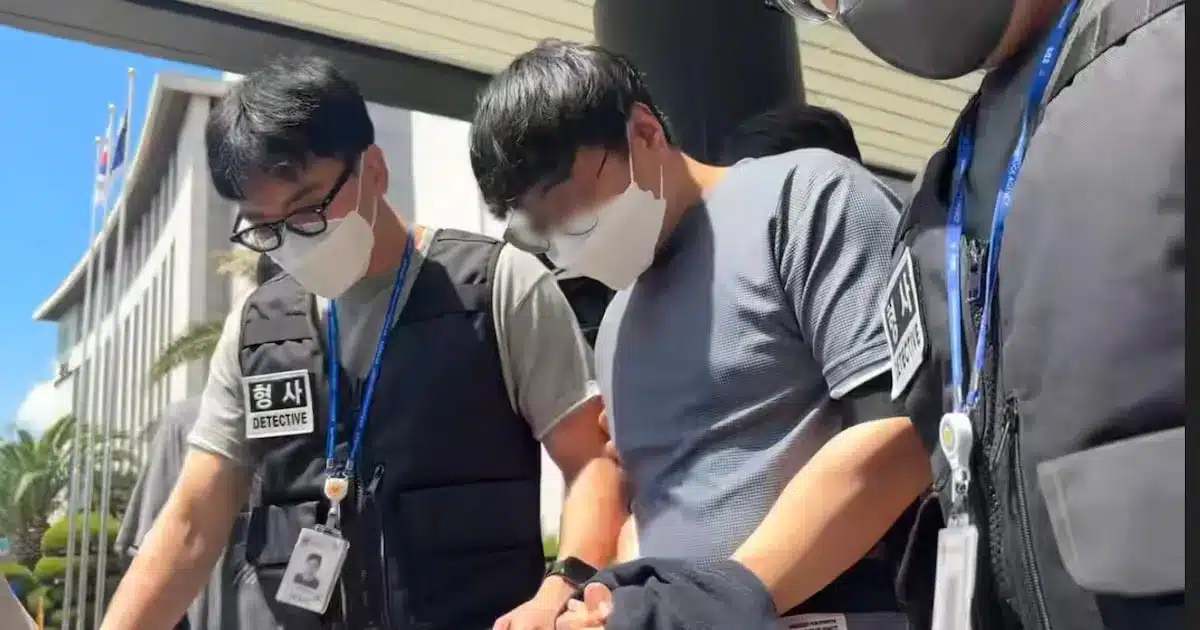
An officer in Jeju, identified only as Officer A, is under scrutiny for allegedly closing 298 missing persons cases, including the recent disappearance of Jang Mi-ran, by falsely concluding they were resolved. The allegations have prompted a review of his past casework and a potential investigation into his conduct.
Background of the Allegations
The controversy came to light during a parliamentary audit of the National Police Agency on October 24th. During a session with the National Assembly’s Land, Infrastructure and Transport Committee, Assembly member Chae Hyun-il questioned Police Commissioner General Yoo Jae-seong about the number of cases handled by Officer A. Commissioner General Yoo confirmed the figure of 298 cases.
In response to the assembly member’s inquiry, Commissioner General Yoo stated, “We will conduct a thorough investigation while simultaneously proceeding with a swift inquiry into the matter. We will clarify whether such instances exist and report them accurately.” This indicates a commitment to a comprehensive review of Officer A’s record.
The Jang Mi-ran Case
The specific case that brought these allegations to the forefront involved Jang Mi-ran, a 37-year-old woman who was reported missing in May. Officer A, who was assigned to the case, reportedly closed it by stating that he had been in contact with Ms. Jang. This conclusion was reached without further investigation or verification, leading to suspicions of misconduct.
Further investigation revealed that Officer A allegedly used a similar method to close another missing persons case on November 2nd, just last month. This pattern of behavior has raised significant concerns among investigators and the public regarding the integrity of missing persons investigations within the Jeju police force.
Legal Proceedings and Investigation
Officer A was taken into emergency custody on November 22nd. However, the Jeju District Court decided to uphold his request for the dismissal of the arrest warrant, citing the need for further investigation. Consequently, Officer A was released and is expected to cooperate with the ongoing investigation while not in custody.
Despite the dismissal of the initial arrest warrant, the prosecution has requested a detention warrant for Officer A. The court is scheduled to hold a hearing to examine the suspect (a preliminary detention hearing) to determine whether to issue an arrest warrant and detain Officer A pending further investigation. This hearing will be crucial in deciding the next steps in the legal process.
Broader Implications for Missing Persons Investigations
The case highlights potential systemic issues within the handling of missing persons reports. The ability of a single officer to allegedly close a significant number of cases without proper verification raises questions about oversight and accountability mechanisms. The Jeju Provincial Police Agency has stated its intention to conduct a thorough review of all cases handled by Officer A to identify any other instances of similar misconduct.
Missing persons cases are sensitive and require diligent investigation. Families of the missing often endure immense emotional distress, and the premature or false closure of a case can cause further pain and hinder genuine efforts to locate the individual. The current investigation aims to restore public trust and ensure that all missing persons cases are treated with the seriousness and thoroughness they deserve.
Next Steps in the Investigation
The focus now shifts to the upcoming detention hearing, where the court will weigh the evidence presented by the prosecution and the defense. If a detention warrant is issued, Officer A will be taken into custody, allowing investigators to conduct a more intensive interrogation and gather further evidence without the risk of interference. Regardless of the outcome of the hearing, the internal investigation by the police is expected to continue, potentially leading to disciplinary actions or criminal charges.
The Jeju Provincial Police Agency has pledged transparency throughout the process and has committed to informing the public of the investigation’s findings. The resolution of this case is anticipated to have a significant impact on the procedures and protocols for handling missing persons reports in Jeju and potentially across the nation, emphasizing the importance of due diligence and ethical conduct in law enforcement.
