

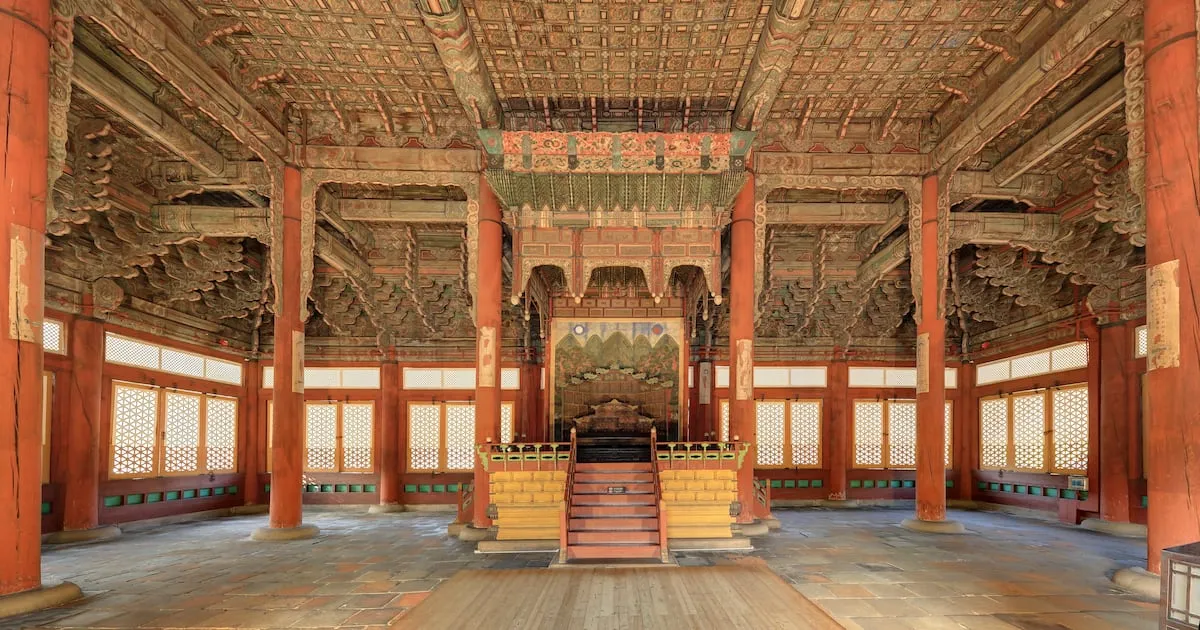
Deoksugung Palace has implemented a new intrusion detection system designed to monitor and alert authorities to unauthorized movements within its key structures. This advanced system aims to prevent illegal entry and vandalism, ensuring the preservation of this significant historical site. Upon detecting any unauthorized access or potential damage, the system triggers immediate alarms both on-site and at the central control room.
Enhanced Security Measures at Deoksugung Palace
The Deoksugung Palace Management Office, part of the Cultural Heritage Administration’s Royal Palaces Division, announced the completion of the ‘Deoksugung Palace Wall Intrusion Detection System Construction Project’ on the 10th. This initiative involved installing proximity sensors (PIR) around critical areas of the palace, including the Junghwajeon Hall, Hamnyeongjeon Hall, Deokhongjeon Hall, Junmyeongdang Hall, Jikjodang Hall, and Seokodang Hall. These sensors are specifically designed to detect movement within the palace walls.
The system operates by sensing human presence within designated zones. In the Hamnyeongjeon and Deokhongjeon Halls, automated announcement systems have also been installed. When an intrusion is detected, these systems will broadcast an announcement on-site. Simultaneously, the central control room is equipped with a comprehensive alert system, including flashing warning lights, audible alarms, and monitor pop-ups, ensuring that personnel are immediately notified of any breach. This allows for prompt verification of the situation and a swift response from security staff.
Objectives and Expectations of the New System
A representative from the Deoksugung Palace Management Office stated, “We anticipate that this system will not only preemptively deter unauthorized access and potential damage to national treasures but also significantly reduce the response time in the event of an intrusion. This will enable more systematic and effective safety management.” The implementation is viewed as a crucial step in strengthening security protocols for national treasures, focusing on preventing unauthorized access and damage.
This project is part of a broader effort by the Cultural Heritage Administration to enhance the protection of valuable cultural assets. Looking ahead, the administration plans to expand the use of intelligent detection systems, powered by artificial intelligence (AI), to other important national treasures. Starting this September, AI-based detection systems will be deployed across 180 key cultural properties, including national treasures and important cultural assets, monitored through 358 CCTV channels.
Historical Significance of Deoksugung Palace
Deoksugung Palace holds profound historical importance as one of the former royal residences of the Korean Empire. Originally the estate of Prince Wolsan, a son of King Seongjong of the Joseon Dynasty, it later served as an emergency palace after the Imjin War, marking the beginning of its royal history. Following Emperor Gojong’s proclamation of the Korean Empire in 1897, Deoksugung was established as the imperial palace.
The palace complex is unique for its blend of traditional Korean Hanok architecture and Western-style buildings. However, its scale was significantly reduced, and several structures were dismantled during the Japanese colonial period. Despite these historical changes, Deoksugung remains a vital site for understanding Korea’s modern history and architectural evolution.
Future Plans for Cultural Heritage Protection
The Cultural Heritage Administration is committed to reinforcing the safety and security of historically significant sites like Deoksugung Palace. By enhancing security measures at these key locations, the administration aims to set a precedent for future protective strategies. The plan to extend intelligent detection systems to other national treasures underscores a forward-looking approach to cultural heritage preservation, leveraging technology to safeguard these irreplaceable assets for future generations.
The introduction of this advanced intrusion detection system at Deoksugung Palace represents a significant advancement in the protection of cultural heritage in South Korea. It combines modern technology with the preservation of historical integrity, ensuring that these sites can be appreciated and protected for years to come.
