

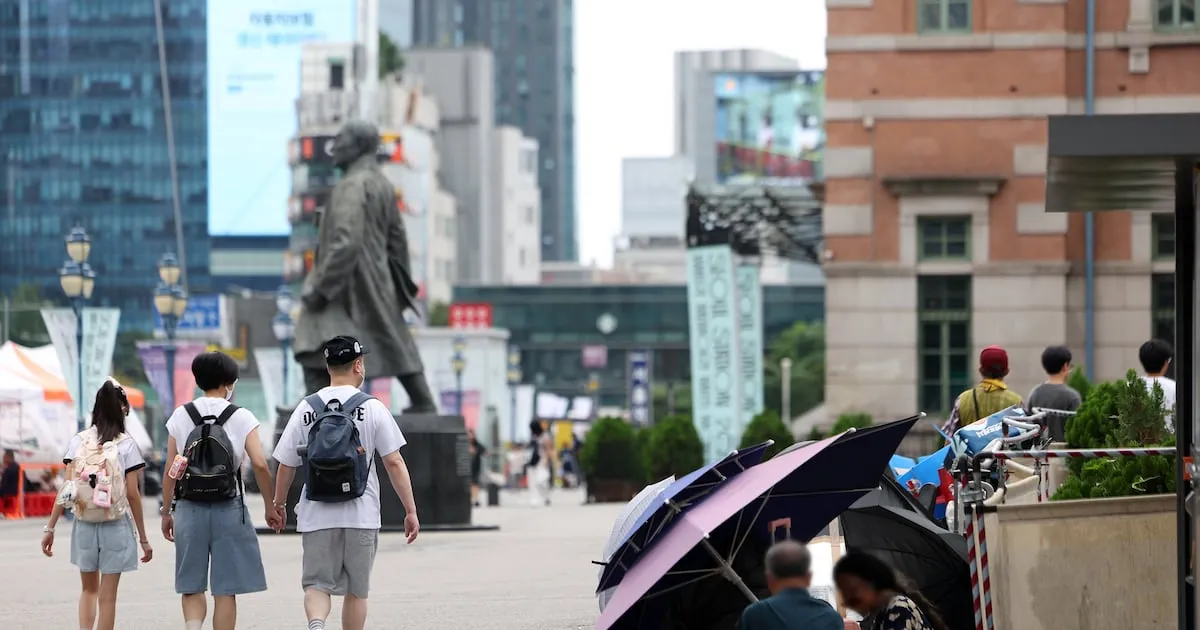
Seoul recorded two fatalities attributed to heatstroke on July 7th, marking the highest single-day death toll from the condition in the city this summer. The Seoul Metropolitan Government reported that 35 individuals were diagnosed with heatstroke on that day, with two succumbing to the illness. These incidents underscore the severe impact of the ongoing heatwave gripping the South Korean capital.
Heatstroke Incidents and Fatalities
The two individuals who died were an 81-year-old woman and a 58-year-old man. The woman was found unconscious in her home in Gangnam District by her caregiver, who subsequently reported the situation. Emergency services were dispatched, but she was pronounced dead. In Jungnang District, the 58-year-old man was discovered exhibiting symptoms of vomiting and decreased consciousness on the street. He was transported to a hospital for treatment but unfortunately passed away during medical care.
According to the Korea Disease Control and Prevention Agency’s (KDCA) heatstroke response center statistics, Seoul has seen a cumulative total of 386 heatstroke cases from May 15th to July 7th. Nationally, the cumulative number of heatstroke patients during the same period reached 3,089. While this figure represents an 8% decrease compared to the 3,360 cases recorded during the equivalent period last year, the number of fatalities has unfortunately risen. This year, 29 people have died from heatstroke nationwide, an increase from the 21 deaths reported during the same timeframe in the previous year.
Heatwave Conditions in Seoul
The city of Seoul has been under a severe heatwave advisory since July 7th at 6:00 PM. The intensity of the heatwave has been significant, with the national meteorological agency issuing a ‘Special Weather Alert for Heatwave’—the highest level—on July 4th. This was later downgraded to a general ‘Heatwave Advisory,’ but the extreme temperatures persist.
In response to the escalating heat, the Seoul Metropolitan Government, in conjunction with district offices, has activated 103 joint response centers staffed by 484 personnel. These centers are dedicated to managing the heatwave crisis and providing assistance to vulnerable populations.
Support for Vulnerable Groups
Since the first heatwave advisory was issued on June 18th, the city has provided support to 31,308 individuals identified as being at high risk from the heat. This includes:
- The elderly living alone
- Outdoor workers
- Individuals with chronic illnesses
- The homeless population
- Residents in ‘jjokbang’ (small, single-room accommodations)
To offer respite from the extreme temperatures, Seoul is operating a network of 984 facilities. These include:
- Cooling centers (Mudeowi Swimteos)
- Climate-adaptive shelters (Gihudonghaeng Swimteos)
- Emergency evacuation shelters
- Mobile shelters for temporary workers
Public Health Recommendations During Heatwaves
Health authorities strongly advise the public to take precautions during periods of intense heat to prevent heat-related illnesses like heatstroke. Key recommendations include:
- Stay Hydrated: Drink plenty of water, even if you do not feel thirsty. Avoid alcoholic beverages and excessive caffeine, as they can contribute to dehydration.
- Seek Cool Environments: Spend time in air-conditioned or cool indoor spaces whenever possible. Utilize public cooling centers if your home is not adequately cooled.
- Avoid Strenuous Activity: Limit outdoor activities, especially during the hottest parts of the day (typically between 10 AM and 4 PM). If outdoor work is unavoidable, take frequent breaks in shaded or cool areas.
- Protect Yourself Outdoors: Wear lightweight, light-colored, and loose-fitting clothing. Use hats and sunglasses to protect yourself from direct sun exposure. Apply sunscreen regularly.
- Check on Vulnerable Individuals: Pay special attention to infants, young children, the elderly, pregnant women, and individuals with chronic health conditions, as they are more susceptible to heat-related illnesses. Ensure they have access to cool environments and adequate hydration.
- Recognize Symptoms: Be aware of the signs of heat exhaustion and heatstroke, which can include heavy sweating, dizziness, nausea, headache, rapid pulse, and confusion. Seek immediate medical attention if these symptoms appear.
Conclusion
The recent heatstroke fatalities in Seoul highlight the critical dangers posed by extreme heat. As the summer progresses, continued vigilance and adherence to public health guidelines are essential for protecting the health and well-being of all residents, particularly those in vulnerable populations. The city’s efforts to provide cooling centers and support services aim to mitigate the risks associated with high temperatures, but individual awareness and preventative measures remain paramount.
