

A high school student who sustained serious injuries while attempting to rescue a female student from a knife-wielding assailant in Gwangju, South Korea, has been officially recognized by the government as a ‘righteous injured’ individual. This designation acknowledges his bravery and sacrifice in protecting another life.
Student Recognized for Courageous Act
The individual, identified as student A, who is 17 years old, was formally acknowledged as a Grade 9 ‘righteous injured’ person by the Ministry of Health and Welfare’s Deliberation Committee for Righteous Injured Persons on June 24th. This committee reviews cases where individuals are injured or killed while attempting to save the life, body, or property of another, irrespective of their official duties.
The ‘righteous injured’ status is granted after a thorough review by the Ministry of Health and Welfare’s deliberation committee. Individuals who receive this designation are eligible for government compensation, the amount of which depends on the severity of their injuries, and are afforded national honors. This recognition serves to commend those who demonstrate extraordinary courage in the face of danger to help others.
The Incident: A Rescue in Progress
The incident occurred on May 5th in the Wolgye-dong area of Gwangsan-gu, Gwangju. Student A witnessed a female student, identified as Ms. Im, 16, being attacked with a knife. Without hesitation, he rushed to her aid. During the rescue attempt, student A was himself stabbed by the assailant, sustaining severe injuries.
The immediate aftermath saw student A receiving critical medical attention for his wounds. His selfless actions, though resulting in personal harm, prevented further tragedy for Ms. Im.
Official Recognition Process
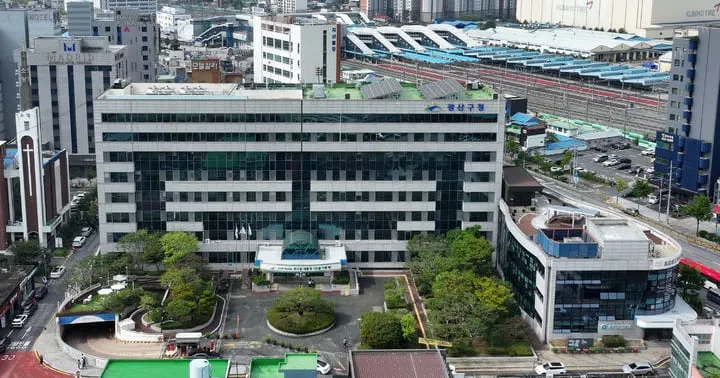
Following the incident, the Gwangsan-gu district office, in collaboration with the Gwangju Metropolitan Police Agency, initiated the process to have student A recognized for his heroic actions. In June, the district office gathered essential evidence, including investigative materials confirming the rescue attempt and medical reports from the treating physicians.
These documents were then submitted to the Ministry of Health and Welfare’s Deliberation Committee for Righteous Injured Persons. The committee’s review process is designed to meticulously assess the circumstances of the incident, the intent of the individual, and the extent of their injuries to ensure that only those who truly meet the criteria for ‘righteous injured’ status are recognized.
Criteria for ‘Righteous Injured’ Status
The designation of ‘righteous injured’ (의사상자 – uisasangja) in South Korea is reserved for individuals who suffer injury or death while undertaking rescue efforts to protect the life, physical safety, or property of another person. Crucially, these actions must be undertaken voluntarily and not be part of their pre-defined professional responsibilities. The process involves a formal application, evidence submission, and a rigorous review by a government-appointed committee, ensuring that the act was one of genuine altruism and bravery.
The committee evaluates factors such as:
- The imminent danger faced by the person being rescued.
- The voluntary nature of the rescuer’s intervention.
- The absence of any legal obligation for the rescuer to intervene.
- The severity of the injuries sustained by the rescuer.
- The direct causal link between the rescue attempt and the injuries.
Support and Compensation for ‘Righteous Injured’
Recognition as a ‘righteous injured’ individual opens the door to various forms of government support. This typically includes financial compensation for medical expenses, rehabilitation costs, and compensation for lost income due to the injury. The amount and type of compensation are tiered, reflecting the degree of injury and its impact on the individual’s life.
Beyond financial aid, the designation carries significant social and symbolic value. It publicly acknowledges the individual’s selfless contribution to society and their embodiment of civic virtue. This can provide emotional support and a sense of validation for the injured individual and their family, highlighting the societal appreciation for their courageous act.
Broader Implications and Societal Impact
The case of student A underscores the importance of recognizing and supporting individuals who exhibit extraordinary courage in protecting others. Such recognitions not only provide tangible benefits to the injured but also serve as powerful examples, potentially inspiring others to act selflessly in critical situations.
This incident and subsequent recognition highlight the value South Korean society places on altruism and bravery. By formally acknowledging and supporting those injured in the act of saving others, the government reinforces the importance of community welfare and individual courage. It sends a clear message that acts of selflessness in the face of danger will be honored and supported, fostering a more compassionate and resilient society.
Conclusion
Student A’s designation as a ‘righteous injured’ person is a testament to his bravery and quick thinking during a dangerous encounter. His willingness to risk his own safety to protect another student exemplifies the highest ideals of civic responsibility. The government’s recognition provides crucial support and honors his sacrifice, ensuring that his courageous act is remembered and serves as an inspiration to many.
