

A public servant is under police investigation for allegedly posting a derogatory comment online about a 20-something female firefighter who died by suicide after enduring alleged workplace harassment. The incident has sparked widespread public concern and highlighted issues within public service culture.
Investigation into Derogatory Online Comment
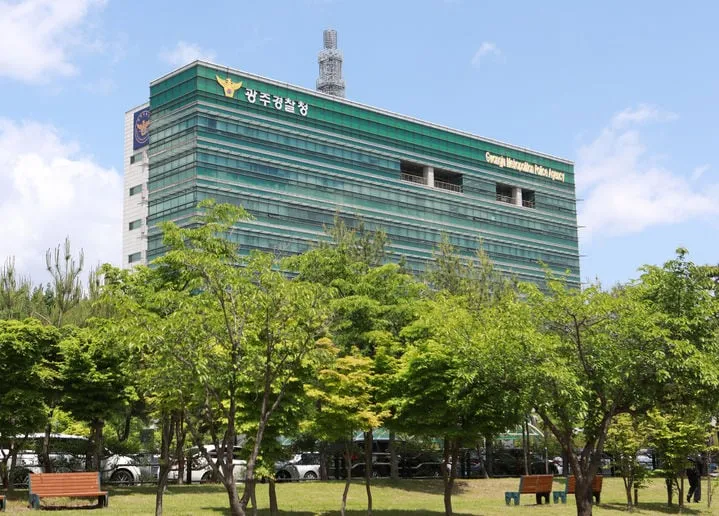
The Gwangju Metropolitan Police Agency’s cybercrime investigation unit announced on July 7th that they have apprehended a public servant, identified only as Mr. A, from Jeonnam Gwangju Province, on suspicion of defamation. Mr. A is accused of leaving a comment on an online bulletin board for public officials, which was discussing the case of the deceased firefighter, Ms. B. The comment, reportedly implying that the harassment was insignificant because it only involved “a few company dinners,” has drawn significant criticism.
Authorities confirmed that Mr. A is an administrative public servant, not a firefighter. The investigation is ongoing, focusing on the nature and intent of his online remarks. The police have stated they are committed to a thorough examination of the facts to ensure justice and accountability.
Background of the Deceased Firefighter’s Death
According to reports from labor unions representing firefighters, Ms. B, who was affiliated with the Gwangsan Fire Station under the Jeonnam Gwangju Provincial Fire Agency, tragically took her own life on October 3rd of the previous year. Union representatives have asserted that Ms. B’s extreme decision stemmed from prolonged and severe mental distress caused by her work environment.
The unions claim that Ms. B suffered significant emotional anguish due to a persistent pattern of forced drinking, a hierarchical organizational culture centered around social gatherings, and other forms of workplace mistreatment. These factors, they argue, created an unbearable psychological burden, ultimately leading to her tragic end.
Internal Disciplinary Actions and Ongoing Investigations
In response to the allegations surrounding Ms. B’s death, the Jeonnam Gwangju Provincial Fire Agency convened a disciplinary committee. The committee reviewed the case of 15 fire service personnel implicated in the alleged harassment. As a result, 12 individuals, including two who were dismissed, received disciplinary measures ranging from suspension to demotion. Three others were given reprimands.
Simultaneously, the Gwangju Metropolitan Police Agency has launched a separate investigation into the circumstances of Ms. B’s death. This inquiry aims to ascertain the veracity of the claims of workplace distress and to determine any potential criminal culpability. The police are meticulously examining all available evidence and testimonies to piece together the events leading up to the tragedy.
Broader Implications for Public Service Culture
The tragic death of Ms. B and the subsequent online commentary have ignited a national conversation about the pressures and potential toxic elements within public service professions in South Korea. Firefighters, in particular, are often lauded for their bravery and dedication, yet this case brings to light the hidden struggles they may face within their own organizations.
The allegations of forced drinking and a hierarchical, socially demanding work culture resonate with broader criticisms leveled against various public institutions. Such practices, often normalized under the guise of team-building or maintaining organizational harmony, can disproportionately harm individuals who are less inclined to participate or who feel pressured to conform. The mental health toll on public servants, especially those in high-stress professions like firefighting, is a growing concern.
The Role of Online Platforms
The incident also underscores the dual nature of online platforms. While they can serve as vital spaces for communication and support, they can also become avenues for harassment and insensitivity. The ease with which anonymous or pseudonymous comments can be posted means that individuals may feel emboldened to express views they would not voice publicly, sometimes with devastating consequences for victims or their families.
The investigation into Mr. A’s comment highlights the legal ramifications of online defamation and harassment. As digital communication becomes more integrated into daily life, establishing clear boundaries and fostering a culture of respect online is becoming increasingly critical, particularly when discussing sensitive issues like suicide and workplace misconduct.
Moving Forward: Prevention and Support
In the wake of this tragedy, there is a renewed call for robust preventative measures and enhanced support systems within public service organizations. This includes:
- Strengthening Anti-Harassment Policies: Implementing and strictly enforcing clear policies against workplace harassment, including mandatory reporting mechanisms and swift, impartial investigations.
- Promoting Healthy Workplace Cultures: Actively working to dismantle toxic elements like forced social drinking and excessive hierarchy, and fostering environments that prioritize psychological safety and respect.
- Enhancing Mental Health Support: Providing accessible and confidential mental health resources, counseling services, and regular well-being checks for all public servants, particularly those in demanding roles.
- Educating Employees: Conducting regular training on workplace ethics, respectful communication, and the severe impact of harassment and discrimination.
- Addressing Online Conduct: Educating public servants on responsible online behavior and the legal consequences of defamation and cyberbullying.
The investigation into the circumstances surrounding Ms. B’s death and the subsequent online commentary serves as a somber reminder of the need for continuous improvement in workplace environments and a greater emphasis on empathy and respect in all forms of communication, both online and offline. The authorities’ commitment to a thorough investigation aims to bring closure and accountability, while also prompting a broader societal reflection on how to better protect vulnerable individuals within demanding professional settings.
