

A new national investigation agency, set to launch in October, has revealed its organizational structure and staffing plans. The agency will operate with a total of 2,874 personnel, divided between a central headquarters and six regional offices. Its mandate will cover seven major categories of serious crime, including economic offenses, corruption, and drug trafficking. Notably, the agency will also absorb existing joint investigation units that have been operating under the prosecution service.
Structure and Mandate of the New Agency
The agency’s preparatory team has finalized draft regulations outlining its organizational framework, staffing levels, and personnel management. These proposals are open for public comment from October 5th to 10th, with recruitment procedures also commencing during this period. The agency is tasked with investigating seven key areas of serious crime:
- Economic crimes
- Corruption
- Defense industry-related offenses
- Drug trafficking
- National security threats (including espionage and foreign incidents)
- Cybercrimes
- Crimes involving foreign nationals
To prevent the misuse of investigative powers, the agency will include specialized roles such as investigators, investigative review officers, and human rights protection officers. The organizational structure comprises a headquarters and six regional offices located in Seoul, Suwon, Daejeon, Daegu, Busan, and Gwangju. The headquarters will be responsible for setting investigative policies, directing major cases, and overseeing human rights protection. The regional offices will conduct direct investigations within their respective jurisdictions.
The total staff of 2,874 will consist of 2,567 investigators and 307 general administrative personnel. The Seoul office, handling a significant concentration of cases, will be allocated approximately 38% of the total staff, amounting to 1,089 individuals. This office will house specialized units focusing on economic crimes, financial crimes, anti-corruption, drug offenses, and advanced investigation units.
Integration of Joint Investigation Units
In addition to its core investigative functions, the new agency plans to integrate existing joint investigation units that have been operating under the prosecution service. These units have specialized expertise in areas such as voice phishing, financial crimes, and virtual asset crimes, and will be established within the Seoul office. The Suwon office will host a drug trafficking investigation unit, while the Daejeon office will house a national treasury crime investigation unit. The agency also expects to receive personnel from other government bodies, including the Financial Services Commission and the National Tax Service.
Furthermore, supplementary investigation units will be established to conduct additional investigations based on requests from prosecutors, particularly for cases initially investigated by other law enforcement agencies like the police. Both the headquarters and regional offices will feature special investigation units dedicated to crimes targeting vulnerable populations. These units will handle ongoing investigations and verify additional suspicions.
Special Recruitment for Prosecutors and Investigators
A key aspect of the agency’s establishment involves the recruitment of experienced prosecutors and investigators. To facilitate this transition, a special temporary employment system will be in place until April 30th of next year. This system allows prosecutors and investigative officers to transfer to the new agency without undergoing separate recruitment examinations. Their rank and legal experience will determine their position within the new structure. For instance, chief prosecutors will be assigned to Grade 1, while deputy chief prosecutors and those with over 10 years of legal experience will be placed in Grades 2 and 3, respectively. Prosecutors with less than 10 years of experience will be assigned to Grade 4, which is considered one level lower than their typical standing in the prosecution service.
To enhance the professionalism of investigators, the agency will also expand special promotion opportunities. For investigators in Grade 6 and below, the proportion of special promotions will be set at over 30% of all promotion slots. The preparatory team is conducting information sessions for prosecutors and investigative officers across 18 regional prosecution offices nationwide from October 5th to 12th. Applications will be accepted from August 7th to 20th, with final selections expected by the end of September, coinciding with the agency’s official launch on October 2nd.
Operational Infrastructure and Systems
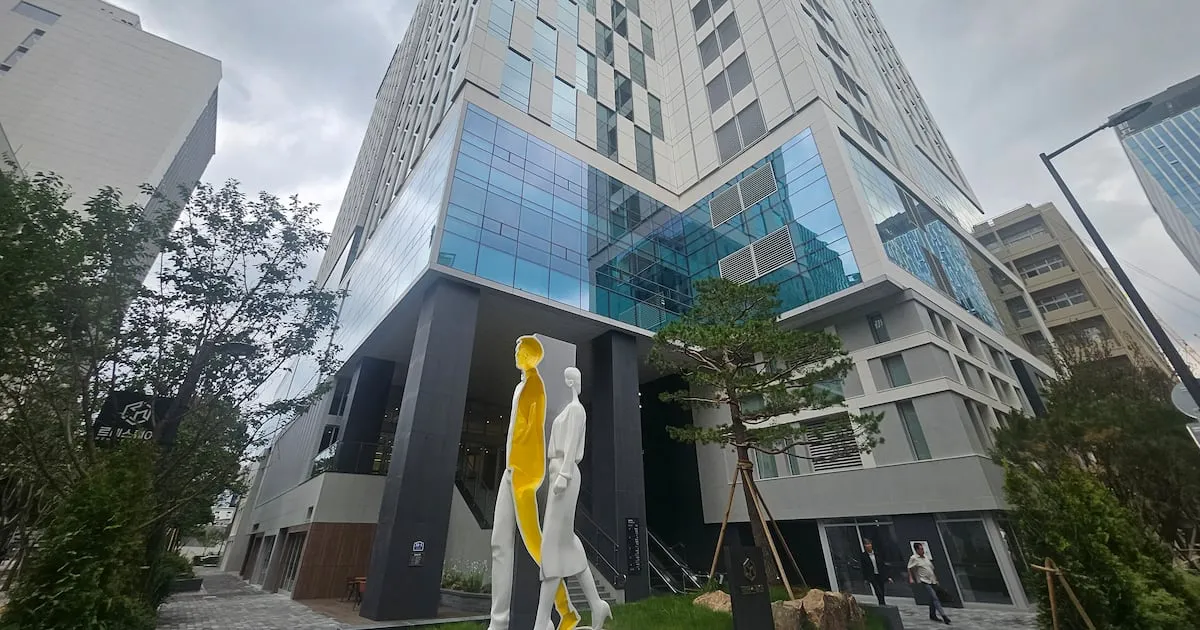
In line with its objective to separate investigation and indictment functions, the agency will operate from separate office buildings, distinct from existing prosecution offices. The headquarters and Seoul office will be located in the L-Tower Building in Jung-gu, Seoul. Negotiations are underway for rental agreements for other regional offices, with contracts expected by mid-August. The agency will utilize the Korean Investigation Case System (KICS), currently used by the National Police Agency, for case management. This decision was made to avoid the significant time and resources required to develop a new system, which was estimated to take over three years. Essential functionalities will be implemented initially, with additional features to be added in phases.
Kim Min-jae, head of the agency’s preparatory team, stated, “We will launch as a specialized investigation agency that earns the trust of the public.”
