

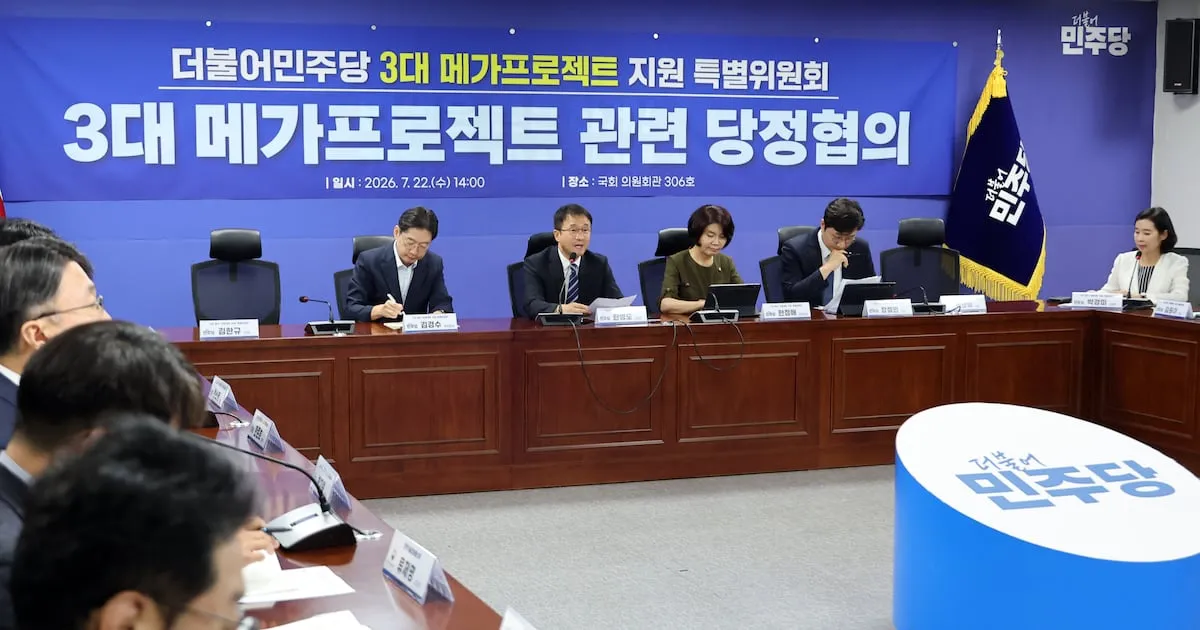
South Korea is reportedly exploring significant deregulation of labor laws, including the weekly 52-hour work limit, for designated “mega-tech clusters.” The proposed changes, primarily aimed at fostering advanced industries like the planned semiconductor cluster in the Honam region, would also ease restrictions on fixed-term and dispatched workers. This initiative, spearheaded by the ruling party and the government, has sparked considerable debate, with labor groups vehemently opposing the potential rollback of worker protections.
Proposed Labor Law Revisions for Tech Hubs
The core of the proposed legislation involves amending the “Mega-Tech Cluster Special Act.” Key considerations include exempting workers in research and development (R&D) roles from the strict 52-hour weekly cap. This “white-collar exemption” could also allow companies to bypass overtime pay and holiday work compensation under certain conditions. While some government officials had previously suggested expanding the existing “special long-term work” system to allow exceptions for peak workloads, the complexity of approval processes has reportedly shifted the focus towards a more direct exemption from the 52-hour rule itself.
Another significant proposal under discussion is the adjustment of the selective work hour system. Currently, this system allows for averaging work hours over a one-to-three-month period. The proposed change would extend this averaging period to six months. This extension could permit employees to work up to 80 hours per week for 16 consecutive weeks, provided they balance it with significantly reduced hours in the remaining 10 weeks to meet the six-month average.
Furthermore, the government is contemplating an increase in the maximum duration for employing fixed-term workers from the current two years to four years. The scope of jobs eligible for dispatched workers would also be broadened. Under current regulations, dispatched workers are limited to 32 specific job categories, including IT, translation, and cleaning services. Businesses argue that excluding manufacturing and direct production roles hinders flexible labor utilization.
Historical Context and Political Divide
These proposed labor law relaxations echo similar initiatives pursued by previous administrations, including those of Lee Myung-bak, Park Geun-hye, and the current Yoon Suk-yeol government. In each instance, the Democratic Party of Korea (DPK) strongly opposed such measures, citing concerns that they could undermine labor standards and infringe upon workers’ health and rights. Last year, a proposal to include a 52-hour work week exemption for certain roles within the semiconductor industry was discussed as part of a special act for the region, but it was ultimately removed from the bill due to DPK opposition. At that time, the party argued that existing systems, such as special long-term work, already provided sufficient flexibility for businesses.
The current shift in the DPK’s stance, just six months after blocking similar provisions for the semiconductor special act, is notable. Within the party, opinions appear divided. Members of the National Assembly’s Industry, Trade, and Energy Committee, which would review such legislation, reportedly lean towards supporting the labor deregulation. One lawmaker from this committee noted that for high-earning R&D personnel, such as those in the semiconductor industry who can earn over 150 million won annually, allowing them to work concentrated hours with their consent should not be a significant issue.
Lawmakers representing the Honam region, where the new mega-tech cluster is planned, are largely supportive, framing the deregulation as essential for regional development. They argue that if special regulations are granted for regional and industrial growth, labor law flexibility should not be an exception. Conversely, a number of DPK lawmakers on the Environment and Labor Committee have expressed concerns to the government. One member from this committee stated that implementing all these proposed exemptions would represent a level of deregulation not even attempted by previous conservative governments and that it cannot be justified solely on the grounds of regional development.
Reactions from Labor and Government
Both the DPK leadership and the government maintain that these proposals are still under discussion and have not been finalized. Kang Joon-hyun, the DPK’s senior spokesperson, emphasized that detailed contents are being deliberated at a high level and that no conclusions have been reached. He added that internal consensus within the party needs to be built through thorough discussion.
The Ministry of Employment and Labor stated that the proposed labor law relaxations emerged from discussions that incorporated diverse on-site demands and the perspectives of various stakeholders. The ministry reiterated that no specific details for the Mega-Tech Cluster Special Act have been confirmed.
Labor unions have reacted with strong condemnation. The Korean Confederation of Trade Unions (KCTU) issued a statement declaring, “We will not tolerate any attempt to turn mega-tech clusters into a testing ground for labor regulation deregulation.” They characterized the proposed changes as “labor destruction.” The Federation of Korean Trade Unions (FKTU) echoed these sentiments, calling the move an attempt to “sacrifice workers’ fundamental labor rights, health, and employment stability in the name of fostering advanced industries.” The FKTU criticized the deregulation as a means to “justify long working hours and a form of labor destruction that deprives workers of their rightful legal compensation.”
