

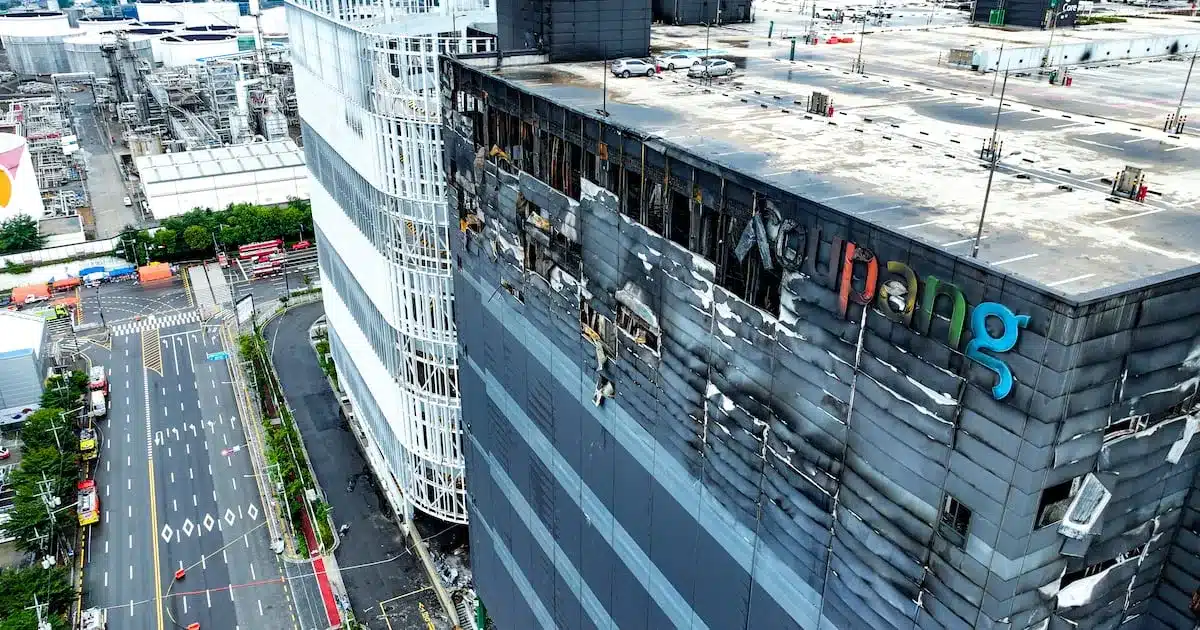
Seoul’s Fire and Disaster Headquarters has initiated a comprehensive fire safety inspection of 37 large-scale warehouse facilities across the city. The intensive checks, scheduled to run for ten days until October 31st, were prompted by a recent major fire at a Coupang logistics center in Incheon. The initiative aims to proactively identify and mitigate potential hazards, ensuring robust safety management practices are in place.
Targeting High-Risk Facilities
The inspection campaign focuses on facilities classified as Special, Class 1, or Class 2 fire safety management targets. Out of the 475 registered warehouses in Seoul, these categories represent the most significant potential risks due to their size and operational characteristics. These classifications are determined by regulations concerning fire prevention and safety management, with Special targets covering areas over 100,000 square meters, Class 1 over 15,000 square meters (excluding Special targets), and Class 2 including facilities requiring indoor fire hydrants or sprinkler systems, excluding Special and Class 1 targets.
Officials highlighted that large warehouses often feature multi-level racking systems and high densities of combustible materials. This configuration significantly increases the risk of a fire escalating into a major conflagration, especially if firefighting systems do not function as intended. The Seoul Metropolitan Fire and Disaster Headquarters has formed a dedicated inspection team, comprising personnel from its headquarters and regional fire stations, to conduct thorough assessments of these high-risk sites.
Comprehensive Inspection Scope
Each inspection team will consist of two officers. To ensure a thorough evaluation, joint inspections with relevant authorities, including building and electrical safety experts, may be conducted if deemed necessary, taking into account the specific fire vulnerabilities of each facility. The inspections will meticulously examine several critical areas:
- Fire Suppression Systems: Verification of the proper functioning of key firefighting equipment, such as sprinkler systems, and confirmation that their water supply is not obstructed.
- Fire Barriers: Assessment of the condition and maintenance of fire walls and fire shutters, as well as the integrity of fire-resistant seals between floors and across different areas.
- Compliance and Enforcement: Review of whether fire safety plans have been properly developed and implemented, and confirmation that fire-related equipment is regularly inspected and maintained.
Beyond the inspections, the Fire and Disaster Headquarters plans to conduct parallel ‘fire safety consulting’ sessions. These sessions will provide guidance on fire prevention strategies, initial response protocols during a fire, and best practices for self-rescue and evacuation. Emphasis will also be placed on training individuals in private firefighting brigades and improving emergency evacuation routes and signage.
Commitment to Enhanced Safety Standards
Hong Young-geun, head of the Seoul Metropolitan Fire and Disaster Headquarters, stated, “Through this inspection, we will thoroughly identify on-site risk factors.” He added, “Moving forward, newly constructed large-scale warehouse facilities in the city will be required to adopt strengthened safety standards from the initial design phase.”
The recent fire at the Incheon Coupang logistics center served as a stark reminder of the potential dangers associated with large-scale storage facilities. Such incidents underscore the critical importance of rigorous safety protocols, regular maintenance of fire suppression systems, and comprehensive emergency preparedness plans. By implementing these targeted inspections and consulting services, Seoul aims to bolster the safety infrastructure of its warehouse sector, reducing the likelihood and potential impact of future fire incidents.
The proactive approach taken by the Seoul Metropolitan Fire and Disaster Headquarters reflects a commitment to learning from past events and implementing preventative measures. The focus on high-risk facilities, combined with educational outreach and consulting, aims to create a safer environment for workers and the surrounding communities. The collaboration with other regulatory bodies ensures a holistic review of safety measures, addressing potential weaknesses across various aspects of facility management and emergency response.
