

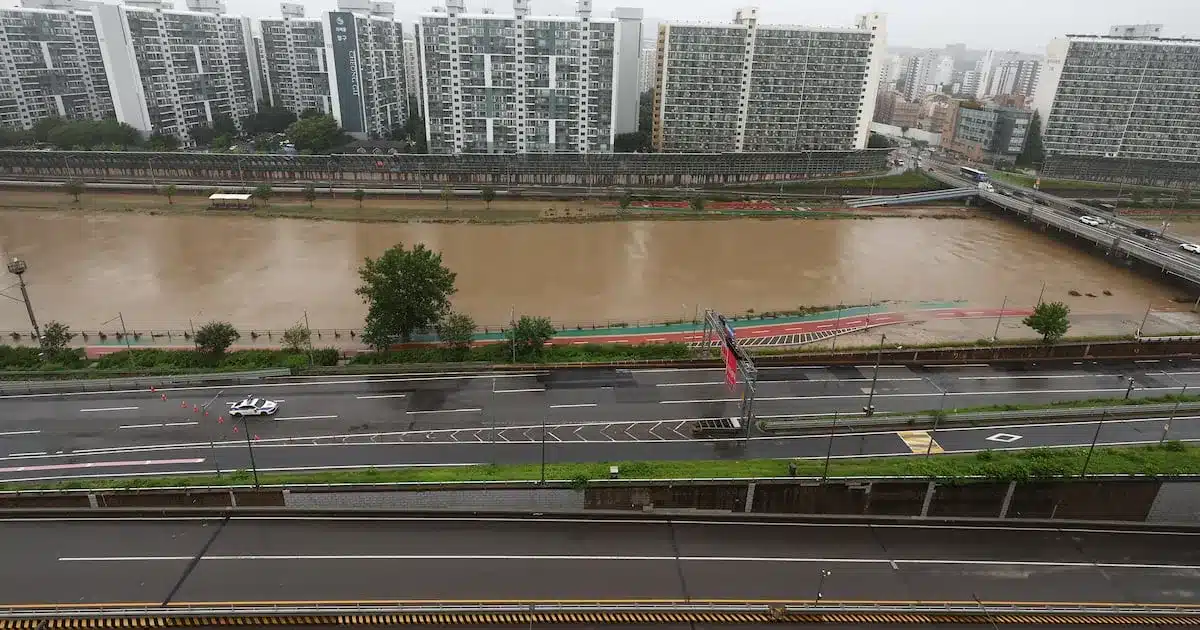
Seoul is bracing for significant rainfall, with forecasts predicting up to 100 millimeters (approximately 4 inches) of precipitation. In response to the anticipated downpour, the city has implemented traffic control measures across all 29 of its major river crossings. The heavy rains, which began on July 21st, are expected to continue with varying intensity through July 23rd, prompting a city-wide alert and mobilization of emergency response teams.
Intense Rainfall and Immediate Impacts
The meteorological forecast indicates a substantial amount of rain, with initial estimates for July 21st ranging from 30 to 100 millimeters. The following days are also expected to see considerable rainfall, with projections of 20 to 60 millimeters on July 22nd and 30 to 80 millimeters on July 23rd. Early this morning, the Eunpyeong district experienced particularly intense downpours, recording a peak rate of 53.5 millimeters per hour. This localized heavy rainfall led to temporary closures of the Jeungsan Bridge underpass for about an hour, from 4:10 AM to 5:17 AM, due to flooding.
The severe weather has already resulted in several incidents across the city. As of the latest reports, 12 cases of damage have been recorded, including seven instances of basement flooding, one tree collapse, and four cases requiring facility safety checks. The city’s emergency services are actively working to mitigate the effects of the flooding, including partially submerging two rainwater pumping stations to manage water levels.
City-Wide Preparedness and Response
In anticipation of the heavy rainfall, the Seoul Metropolitan Government elevated its emergency response level. At 11:00 PM on July 20th, the day before the heaviest rains were expected, the city activated its emergency management system. A total of 3,206 personnel have been mobilized, comprising 347 city officials and 2,859 staff from local district offices. These teams are on standby and actively engaged in monitoring the situation and responding to incidents.
The city has issued a directive to all government agencies and departments, emphasizing the critical importance of rigorous safety management in preparation for the anticipated heavy rainfall. This includes ensuring that drainage systems are functioning optimally and that all infrastructure is secure against potential flood damage.
Understanding Flood Preparedness in Seoul
Seoul, a densely populated metropolis situated along the Han River, has a long history of dealing with monsoon seasons and the associated flooding risks. The city’s infrastructure includes extensive flood control systems, such as levees, pumping stations, and underground drainage networks. However, extreme weather events, characterized by sudden and intense downpours, can still overwhelm these systems, leading to localized flooding and disruptions.
River Crossings and Traffic Management
The closure of river crossings is a standard procedure implemented by the Seoul Metropolitan Government during periods of heavy rain. These closures are crucial for preventing accidents and ensuring the safety of motorists and pedestrians. The Han River, which flows through the heart of Seoul, has numerous bridges and underpasses that are particularly vulnerable to rising water levels. By controlling access to these areas, the city aims to prevent vehicles from becoming stranded or swept away by floodwaters.
Emergency Response Protocols
The mobilization of thousands of personnel signifies the seriousness with which the city is treating the current weather situation. Emergency response teams are equipped to handle a range of issues, from rescuing stranded individuals to clearing debris and repairing damaged infrastructure. The proactive approach, including the early activation of emergency protocols, is designed to minimize damage and ensure a swift recovery.
Public Safety Advisories
During periods of heavy rain and potential flooding, residents are advised to stay informed about weather updates and official advisories. It is recommended to avoid unnecessary travel, especially in low-lying areas and underpasses. If travel is essential, drivers should exercise extreme caution and be aware of potential road closures and hazardous conditions. The city’s emergency services hotline is available for reporting urgent situations and requesting assistance.
Looking Ahead: Continued Monitoring and Mitigation
As the heavy rainfall is expected to persist, the Seoul Metropolitan Government will continue to monitor the situation closely. Efforts will focus on managing water levels in rivers and drainage systems, responding to ongoing incidents, and assessing any damage incurred. The cooperation of residents in adhering to safety guidelines will be vital in navigating this period of adverse weather. The city remains committed to ensuring public safety and minimizing the impact of the heavy rains on daily life.
