

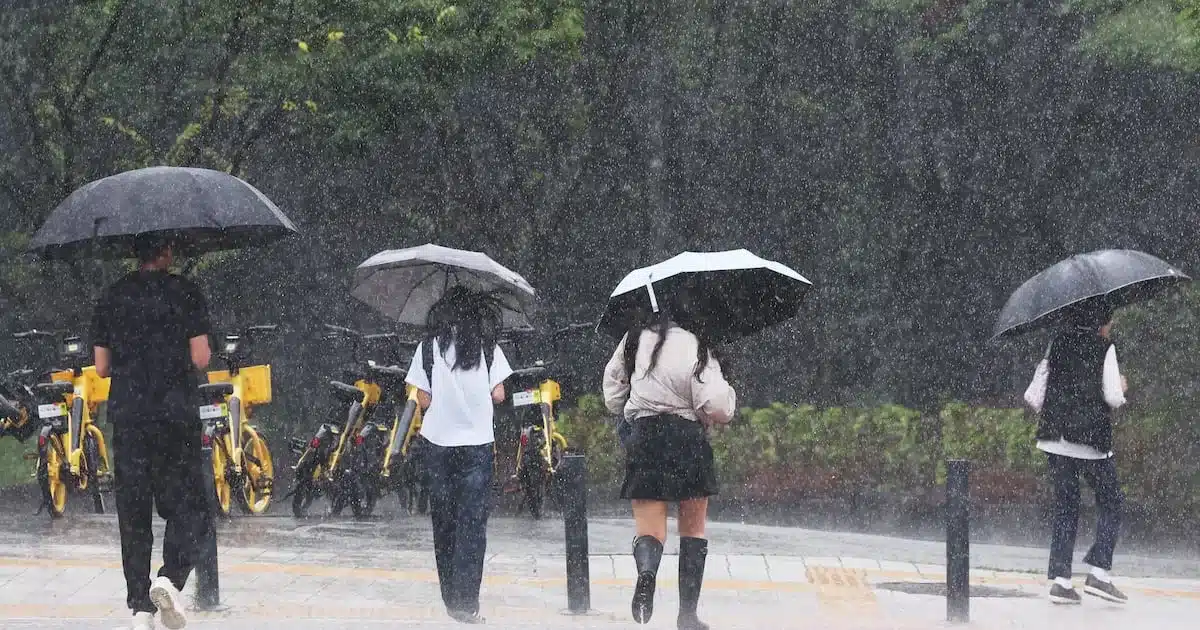
South Korea is planning a nationwide expansion of permeable pavement, also known as “sponge roads,” to mitigate urban flooding risks exacerbated by increasingly severe rainfall. The Ministry of Land, Infrastructure and Transport is currently developing a roadmap for the widespread adoption of this technology, which allows rainwater to seep into the ground rather than accumulating on the surface.
Rising Flood Risks Amidst Climate Change
The initiative comes in response to a significant rise in extreme weather events, particularly heavy downpours. Official meteorological data indicates that the frequency of extreme rainfall events in South Korea has increased by approximately 2.4 times over the past 50 years. These intense rainfalls, defined as exceeding 50mm per hour or 90mm over three hours, overwhelm conventional drainage systems, leading to widespread urban flooding.
Urban areas, with their high proportion of impermeable surfaces, are particularly vulnerable. In Seoul, for instance, non-permeable surfaces account for about 53% of the city’s area. When considering only developed land excluding mountains and forests, this figure rises to nearly 90%. This prevalence of asphalt and concrete prevents rainwater from infiltrating the soil, contributing directly to flood conditions.
What is Permeable Pavement?
Permeable pavement is a construction technique designed to allow water to pass through the pavement surface into the ground below. This is achieved through the use of porous blocks or by creating small gaps between paving stones, allowing water to seep through. Unlike traditional asphalt, which sheds water, permeable pavement absorbs it, earning it the nickname “sponge road.”
The primary benefit of this technology during heavy rainfall is its ability to slow down the rate at which water flows into storm drains. By allowing water to infiltrate the ground or evaporate, it reduces the sudden surge of water that can overwhelm urban drainage infrastructure, thereby decreasing the risk of surface flooding.
Research and Pilot Programs
Research has highlighted the potential effectiveness of permeable pavements. A study by the Korea Institute of Civil Engineering and Building Technology simulated a heavy rainfall scenario in Seoul’s Jongno-gu district. The analysis suggested that converting just 20% of the traffic area to permeable pavement could increase the amount of water infiltrating the ground or evaporating by 70% to 80% compared to conventional surfaces.
Several local governments in South Korea have already implemented permeable pavement systems in their roads. Cities such as Sejong, Jincheon, and Jeonju have adopted this technology on a trial basis. The Ministry of Land, Infrastructure and Transport plans to evaluate the performance of these existing installations, focusing on aspects like water permeability, heat reduction, and noise reduction.
Future Expansion and Implementation
The ministry’s strategy involves a phased approach to expanding the use of permeable pavements. Initially, pilot projects will be implemented in areas with high pedestrian traffic and vulnerable populations, such as children’s protection zones. Following successful trials, the scope of implementation is expected to broaden gradually.
A detailed roadmap is being finalized, and the ministry intends to secure the necessary budget for pilot projects and further research in the upcoming year. Officials indicate that pilot operations could potentially commence as early as 2028, depending on the progress of planning and budget allocation.
“While the water permeability of these surfaces is a clear advantage, we need to thoroughly assess where they can be most effectively utilized,” stated a ministry official. “We are currently in a phase of careful consideration and evaluation.” The development of this roadmap is a crucial step in adapting urban infrastructure to the challenges posed by a changing climate and more frequent extreme weather events.
Benefits Beyond Flood Control
Beyond its primary function in flood mitigation, permeable pavement offers additional environmental benefits. Its porous nature can help filter pollutants from stormwater runoff before it reaches groundwater or surface water bodies. Furthermore, by reducing surface water, it can help replenish groundwater levels, which is increasingly important in areas facing water scarcity.
The potential for heat reduction is another significant advantage. Impermeable surfaces absorb and retain solar heat, contributing to the urban heat island effect. Permeable pavements, by allowing water to evaporate, can have a cooling effect on their surroundings. This dual benefit of flood control and urban heat island mitigation makes permeable pavement a promising solution for sustainable urban development.
Challenges and Considerations
Despite the clear advantages, the widespread adoption of permeable pavement faces certain challenges. The initial construction costs can be higher than traditional asphalt. Maintenance is also a critical factor; the pores can become clogged with sediment and debris over time, reducing their permeability. Regular cleaning and maintenance are essential to ensure the long-term effectiveness of these systems.
Furthermore, the suitability of permeable pavement can vary depending on local soil conditions, traffic loads, and climate. Thorough site-specific assessments are necessary to determine the optimal locations and types of permeable pavement to be used. The ministry’s current focus on developing a comprehensive roadmap and conducting pilot projects aims to address these challenges and ensure the successful implementation of this innovative infrastructure solution.
