

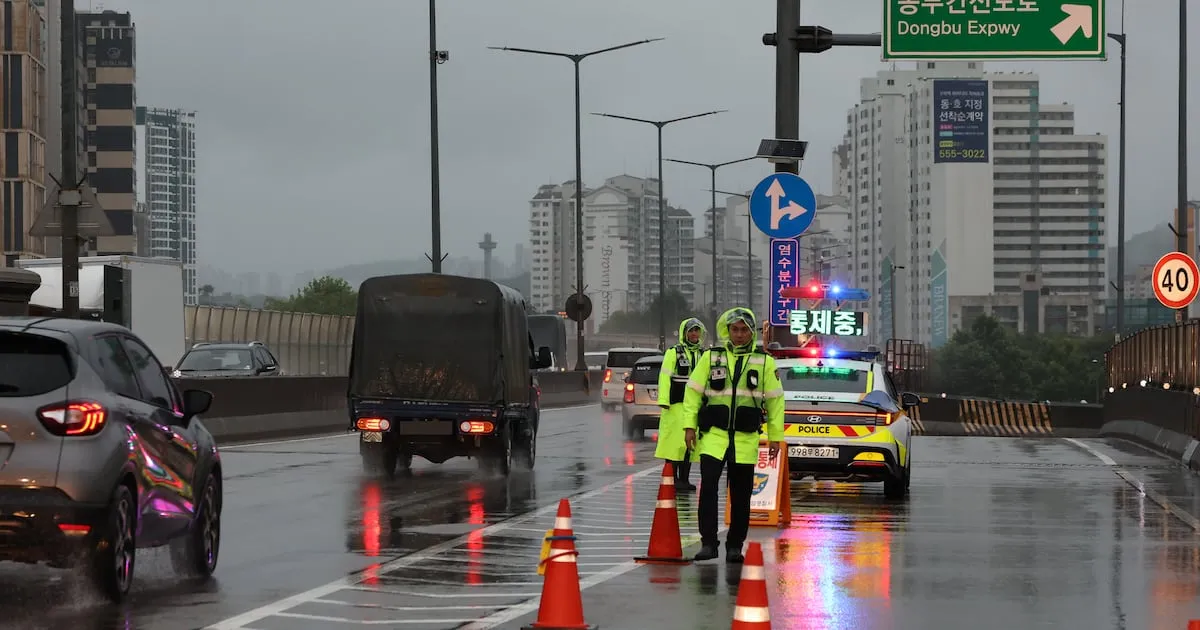
Seoul experienced significant rainfall overnight, prompting the issuance of heavy rainfall warnings in several key districts and leading to widespread traffic disruptions. As of 7:30 AM on the 18th, warnings were in effect for Gangseo-gu, Eunpyeong-gu, and Mapo-gu, signaling intense downpours. Additionally, Yeongdeungpo-gu and Mapo-gu were under advisories for potential flooding.
Understanding Rainfall Warnings and Advisories
The meteorological definitions for these alerts are crucial for understanding the severity of the weather. A heavy rainfall warning (침수경보) is issued when rainfall is expected to exceed 50mm per hour or 90mm over a three-hour period. These conditions indicate a high risk of flash flooding and significant disruption.
A heavy rainfall advisory (침수예보), while less severe, still signals considerable precipitation. It is typically issued when rainfall is projected to reach 55mm per hour or 20mm within a 15-minute span. These advisories alert residents and authorities to the potential for localized flooding and increased water levels.
Widespread Traffic Disruptions Across Seoul
The most immediate and impactful consequence of the heavy rain was the severe disruption to traffic flow. Notably, the Dongbu Expressway (동부간선도로), a major arterial road, experienced a complete shutdown of all lanes between Surak IC and Seongsu JC. This closure was a direct result of rising water levels in the Jungnangcheon stream, which runs parallel to this section of the expressway.
Beyond the Dongbu Expressway, other critical routes also faced closures or severe restrictions. Sections of roads under the Jeungsan Bridge (증산교), Haengju Bridge (행주대교), and Garammok-gil (가람길) were also closed to traffic, further exacerbating congestion and travel difficulties for commuters.
Extended Rainfall Expected, City Prepares for Impact
The forecast indicates that the heavy rainfall is not a short-lived event. Precipitation is expected to continue across Seoul through the 19th. The cumulative rainfall over a four-day period, starting from the previous day, is estimated to be between 100 to 200mm, with some areas potentially receiving over 300mm. This prolonged period of intense rain raises concerns about potential widespread flooding and infrastructure strain.
In response to the escalating weather situation, the Seoul Metropolitan Government has activated its emergency response system. Officials have stated their commitment to closely monitoring the heavy rainfall conditions and implementing thorough measures to manage the emergency. The city is maintaining a heightened state of readiness to address any potential crises arising from the persistent downpours.
Understanding the Impact of Heavy Rainfall
Heavy rainfall events, like the one currently affecting Seoul, can have multifaceted impacts on urban environments. Beyond the immediate threat of flooding, which can damage property and disrupt essential services, there are broader implications:
- Infrastructure Strain: Drainage systems in cities are designed to handle a certain capacity of water. Prolonged or intense rainfall can overwhelm these systems, leading to surface flooding on roads, in underpasses, and in low-lying areas. Bridges and tunnels can also be affected by rising water levels.
- Transportation Disruptions: As seen with the Dongbu Expressway and other road closures, heavy rain significantly impacts mobility. This can lead to severe traffic congestion, delays for public transportation, and difficulties for emergency services to navigate affected areas.
- Public Safety: Flash floods pose a direct threat to life and safety. Driving through flooded roads is extremely dangerous, as water depth and currents can be deceptive. Residents in flood-prone areas are often advised to seek higher ground.
- Economic Impact: Flooding can cause significant economic losses through damage to homes, businesses, and public infrastructure. Disruptions to transportation and commerce can also have ripple effects on the local economy.
Preparing for and Responding to Heavy Rainfall
Effective preparation and response are key to mitigating the impact of severe weather events. For residents, this includes:
- Staying Informed: Monitoring weather forecasts and official alerts from meteorological agencies and local governments is crucial.
- Securing Property: In areas prone to flooding, residents may need to take steps to protect their homes and belongings, such as moving valuables to higher floors or using sandbags.
- Avoiding Floodwaters: It is vital to never drive or walk through flooded areas. The “Turn Around, Don’t Drown” message is a critical safety reminder.
- Emergency Kits: Having an emergency kit with essential supplies can help individuals and families cope during and after a severe weather event.
For city authorities, preparedness involves maintaining and upgrading infrastructure, developing robust emergency response plans, and ensuring clear communication channels with the public during critical weather events. The activation of emergency response systems by the Seoul Metropolitan Government underscores the seriousness of the current situation and the city’s commitment to public safety.
As the rain continues, residents and authorities in Seoul will remain vigilant, monitoring the evolving weather conditions and implementing necessary measures to navigate this challenging period.
