

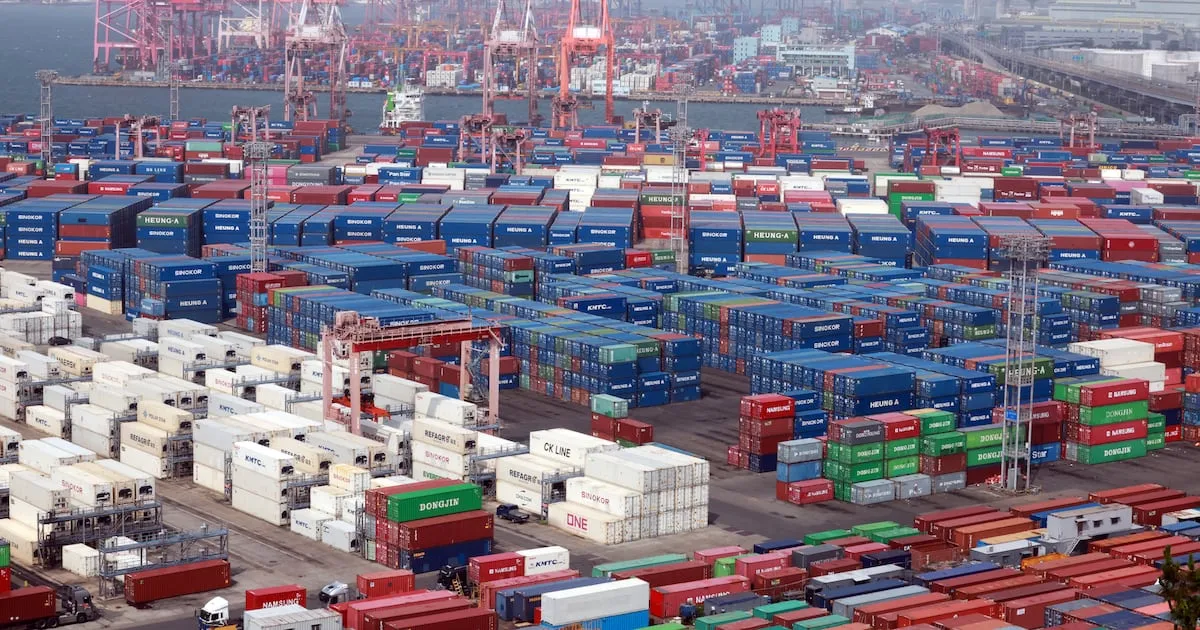
Container shipping rates have experienced a modest decline, marking the first decrease in 10 weeks since the onset of the Middle East conflict. According to data released by the Korea Maritime Institute (KMI), the Korea Container Freight Index (KCCI) fell by 12 points, or 0.3%, to 4318 points as of May 13th. This adjustment follows a period of sustained increases that began in late February.
Understanding the Korea Container Freight Index (KCCI)
The KCCI is a proprietary index developed and published by the KMI. It has been released weekly on Mondays since July 2022. The index is specifically designed to provide a clear and accessible overview of container shipping rate fluctuations on 13 key routes originating from the Port of Busan. These routes serve major global destinations, including the United States, Europe, the Middle East, and the Far East (encompassing China, Japan, and Southeast Asia).
Global Shipping Market Trends
The recent dip in the KCCI reflects a broader trend across the global shipping market. The Shanghai Containerized Freight Index (SCFI), a key international benchmark, also saw a decrease, falling by 142.05 points, or 4.3%, to 3184.82 points in the same week. This synchronized decline across major shipping lanes, including Europe, the Middle East, the US, and South America, indicates a general market adjustment.
Factors Influencing the Rate Adjustment
Several factors are contributing to this recent moderation in shipping costs:
- European Route Congestion Easing: While congestion at European ports and limited vessel space continue to exert upward pressure, there are signs of easing. This is a significant factor in the overall adjustment.
- Middle East Geopolitical Stability (Relative): Although the Middle East conflict remains a concern, a period of relative stability and the anticipation of some service restorations have contributed to rate adjustments on routes serving the region. High war-risk insurance premiums, however, continue to mitigate a more significant drop.
- US Route Dynamics: On routes to the United States, carriers have responded to early peak season cargo volumes by increasing the number of available vessel slots, including additional temporary storage space on ships. This proactive measure has helped to ease capacity constraints and consequently lower rates.
- European Cargo Demand: In Europe, the early depletion of cargo has led to a reduction in demand for shipping services, contributing to the rate decline. However, persistent port congestion and restricted berth availability mean that rates in this region remain at elevated levels.
Expert Analysis of the Market Shift
A KMI official commented on the current market dynamics, noting that the adjustment is a strong characteristic following a period of rapid increases. “The congestion in European ports, geopolitical uncertainties in the Middle East, and high war-risk insurance premiums are preventing rates from plummeting drastically,” the official stated. This suggests that while a correction is underway, underlying factors continue to support a relatively strong rate environment.
The situation on US routes is particularly noteworthy. The proactive increase in vessel capacity and temporary storage by shipping lines indicates an effort to manage the flow of goods more effectively as the peak season approaches. This strategy aims to prevent bottlenecks and ensure smoother transit times, even as it contributes to the current rate softening.
For the Middle East routes, the adjustment is seen as a recalibration after the significant rate hikes experienced in the first half of the year. Coupled with expectations of some service resumptions, this has led to a decrease in freight costs. However, the ongoing geopolitical risks mean that the market remains sensitive to potential disruptions.
Looking Ahead: Market Stability and Future Outlook
The recent slight decrease in container shipping rates, as indicated by the KCCI and SCFI, suggests a market entering a phase of adjustment after a period of significant volatility. While the Middle East conflict and ongoing congestion in key European ports continue to pose risks to rate stability, proactive capacity management by carriers on other major trade lanes is helping to moderate costs.
The KMI’s analysis points to a market that is sensitive to both supply-side factors (like vessel availability and port operations) and demand-side pressures (seasonal cargo volumes and geopolitical events). The coming weeks will be crucial in determining whether this downward trend continues or if rates stabilize at current levels, influenced by the interplay of these complex global factors.
In conclusion, the 10-week streak of rising container shipping rates has been broken, offering a slight reprieve to shippers. However, the underlying complexities of global trade, geopolitical tensions, and logistical challenges mean that the market remains dynamic and subject to change.
