

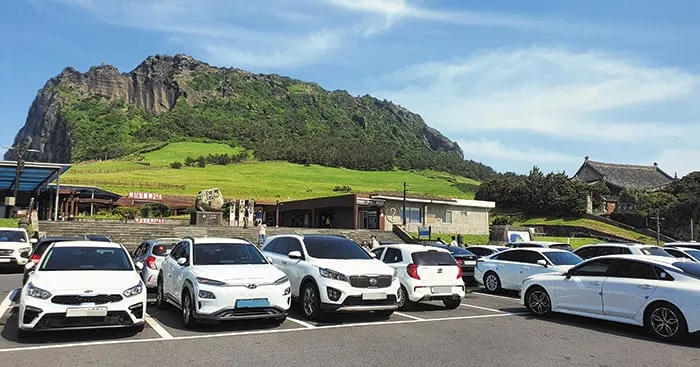
Jeju Island is implementing new regulations to curb excessive fluctuations in rental car prices, aiming to provide a more stable and predictable pricing structure for tourists. Effective September 16, a new guideline will limit the maximum daily discount rate for rental cars to 60% of the reported daily rate. This measure is a direct response to long-standing criticism of ‘price gouging’ where rental car fees would drastically increase during peak tourist seasons and then plummet during off-peak times.
New Pricing Guidelines for Jeju Rental Cars
The Jeju Provincial Government has officially announced the ‘Guidelines for Automobile Rental Contracts and Disclosures,’ which will govern rental car operations. Under these new rules, rental car companies must determine their daily rates by factoring in costs such as vehicle acquisition, maintenance, management, and platform fees. The maximum allowable discount from the reported daily rate will be capped at 60%.
This 60% discount cap applies to daily rentals. However, for longer rental periods exceeding 10 days, this discount limitation will not be enforced. The intention behind this provision is to prevent intense price wars among rental companies and encourage a more reasonable pricing system overall.
Addressing Seasonal Price Volatility
Historically, rental car businesses on Jeju Island have been accused of a practice often described as ‘three-five-seven pricing’ (삼오칠 가격제). This involved reporting high daily rates during peak tourist seasons while offering substantial discounts during the off-season to attract customers. During peak times, however, they would often charge rates close to the initially reported high figures, leading to consumer complaints about exorbitant fees. This new regulation seeks to bring transparency and fairness to this pricing model.
An official from Jeju Province explained the impact of the new guidelines by citing an example: “When we applied the revised standards to one of the local businesses, the original reported base rate for a Sonata, which was 180,000 won per day, was calculated to be around 100,000 won under the new system.” This illustrates how the new rules aim to establish a more realistic and justifiable pricing structure.
Standardized Insurance and Deductible Policies
In addition to pricing, the new regulations also clarify standards for collision damage waivers (CDW), deductibles, and vehicle recovery fees. These measures aim to provide consumers with a clearer understanding of their responsibilities and the coverage provided.
Standard Insurance (일반자차)
- Daily Deductible Fee: Capped at 10,000 won per day.
- Maximum Payout: Limited to 5 million won.
- Recovery Fee: Set at 50% of the daily rental rate for the period the vehicle is out of service.
Premium Insurance (고급자차)
- Daily Deductible Fee: Capped at 20,000 won per day.
- Coverage: Covers the full cost of repairs for both exterior and interior damage.
- Recovery Fee: Waived.
For both standard and premium insurance options, the maximum out-of-pocket expense for the consumer (deductible) will be set by the business, but it cannot exceed 500,000 won.
Implementation and Preparation Period
Jeju Province has allocated a two-month preparation period to allow automobile rental businesses to comply with the new regulations. During this time, businesses can adjust their systems and report any changes to their rental rates or insurance policies. The new guidelines will officially come into effect on September 16.
Kim Sam-yong, Director of the Jeju Provincial Transportation and Aviation Bureau, expressed optimism about the changes. “We expect these new guidelines to alleviate consumer inconvenience and reduce excessive competition within the industry concerning rental car fees and insurance policies,” he stated. “Our goal is to create a trustworthy rental environment for both businesses and consumers, thereby enhancing Jeju’s competitiveness and reliability as a tourist destination.”
The introduction of these regulations is anticipated to foster a more transparent and equitable market for rental cars in Jeju, ultimately benefiting the island’s tourism sector by improving visitor trust and satisfaction.
