

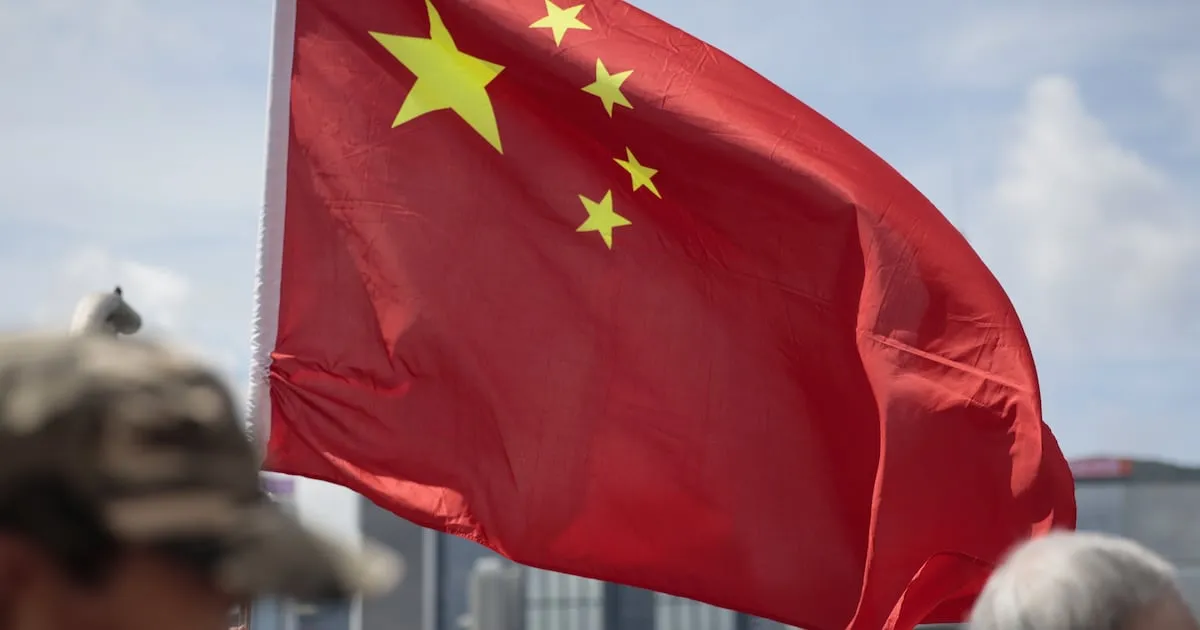
Global oil prices remain volatile due to escalating tensions in the Middle East, particularly concerning the Strait of Hormuz, a critical chokepoint for approximately 20% of the world’s oil transit. Despite the potential for significant supply disruptions, crude oil prices have not experienced a dramatic surge. Analysts suggest that China’s import strategy is now a pivotal factor in determining the future trajectory of international oil prices.
China’s Shifting Role in the Oil Market
For decades, the global oil market was primarily influenced by the production levels of the Organization of the Petroleum Exporting Countries (OPEC). However, this dynamic is evolving. The New York Times reported that China, now the world’s largest crude oil importer, wields substantial influence over oil prices. Initially, China was anticipated to be severely impacted by any military intervention in the Middle East, especially given its significant reliance on oil imports from Venezuela and Iran, both facing U.S. sanctions. Projections indicated that supply chains could be disrupted if the U.S. took military action, potentially leading to a sharp increase in oil prices.
Contrary to these expectations, China has voluntarily reduced its crude oil imports since the conflict began. Data cited by CNBC indicated a decrease in China’s daily oil imports from 11.7 million barrels in February to below 9 million barrels by the end of May. This reduction is attributed to several factors, including decreased operating rates at Chinese refineries during the conflict and early-stage measures that restricted oil product exports. These actions are believed to have played a role in moderating global oil prices.
J.P. Morgan analyzed that China’s reduced imports accounted for approximately 74% of the total global decrease in crude oil imports. This significant cutback, sustained over four months of the ongoing conflict, has been instrumental in maintaining what analysts describe as a “surprisingly stable” oil price environment.
Strategic Reserves and Alternative Energy Sources
China’s vast strategic petroleum reserves also appear to be acting as a buffer, mitigating the impact of potential supply shocks. As the country with the largest crude oil reserves, China also benefits from abundant alternative energy sources and technologies, including coal, renewable energy, electric vehicles, and high-speed rail, which can substitute for oil. Ben Cahill, a senior fellow at the Washington-based think tank Atlantic Council, noted that China faces no immediate pressure to increase its oil imports. This strategic positioning has led some observers to suggest that China’s influence on the oil market now rivals that of OPEC.
Gregory Brou, an analyst at Eurasia Group, commented that China currently exerts greater influence in the oil market than Saudi Arabia or the United States. However, this influence may stem more from an unavoidable response to potential supply disruptions caused by the Middle East conflict rather than a deliberate strategy to stabilize prices. The European Central Bank (ECB) reported that China’s oil imports, which constitute about 80% of Iran’s oil exports, fell to their lowest level in eight years in the current year. Specifically, the operating rate of independent private refineries in China, heavily reliant on Iranian crude, dropped to the 50% range, a nine-year low. This downturn has negatively impacted the petrochemical and broader manufacturing sectors.
Mitigating Factors in Global Oil Supply
While China’s import reduction has contributed to recent oil price stability, experts caution that it is not the sole reason. Multiple supply-side measures have also been in effect. Despite the conflict in the Middle East, Gulf nations like the UAE and Saudi Arabia are continuing to export oil by utilizing alternative shipping routes that bypass the Strait of Hormuz. The International Energy Agency (IEA) estimates that between 3.5 million and 5.5 million barrels of crude oil can be transported daily via these alternative routes.
Furthermore, a specialized “high-risk shuttle service” operated by companies such as Abu Dhabi National Oil Company (ADNOC) and Kuwait Petroleum Corporation (KPC) is also playing a role in preventing drastic oil price hikes, according to the maritime intelligence publication Lloyd’s List. This service involves oil tankers loading crude in the Persian Gulf, transiting the Strait of Hormuz at considerable risk, offloading the oil to other tankers in the Gulf of Oman, and then returning to the Persian Gulf to repeat the process. While this method cannot fully meet global oil demand, it has been effective in maintaining a flow of crude oil and preventing a complete supply cutoff.
The IEA also points to increased production from non-OPEC+ countries as a significant factor absorbing the supply shock from the Middle East. Nations such as the United States, Canada, Brazil, Guyana, and Argentina have boosted their output. In particular, increased production from U.S. shale oil, Canadian oil sands, Brazilian deepwater fields, and Guyanese offshore fields has partially offset the reduction in Middle Eastern oil supplies.
Conclusion
The global oil market is navigating a complex interplay of geopolitical tensions, shifting import demands, strategic reserves, and diversified supply sources. China’s reduced oil imports, while a significant factor in recent price stability, is one part of a larger picture that includes alternative shipping routes, specialized transport services, and increased production from non-OPEC+ nations. These combined efforts are crucial in maintaining a degree of stability in oil prices amidst ongoing uncertainties in the Middle East.
