

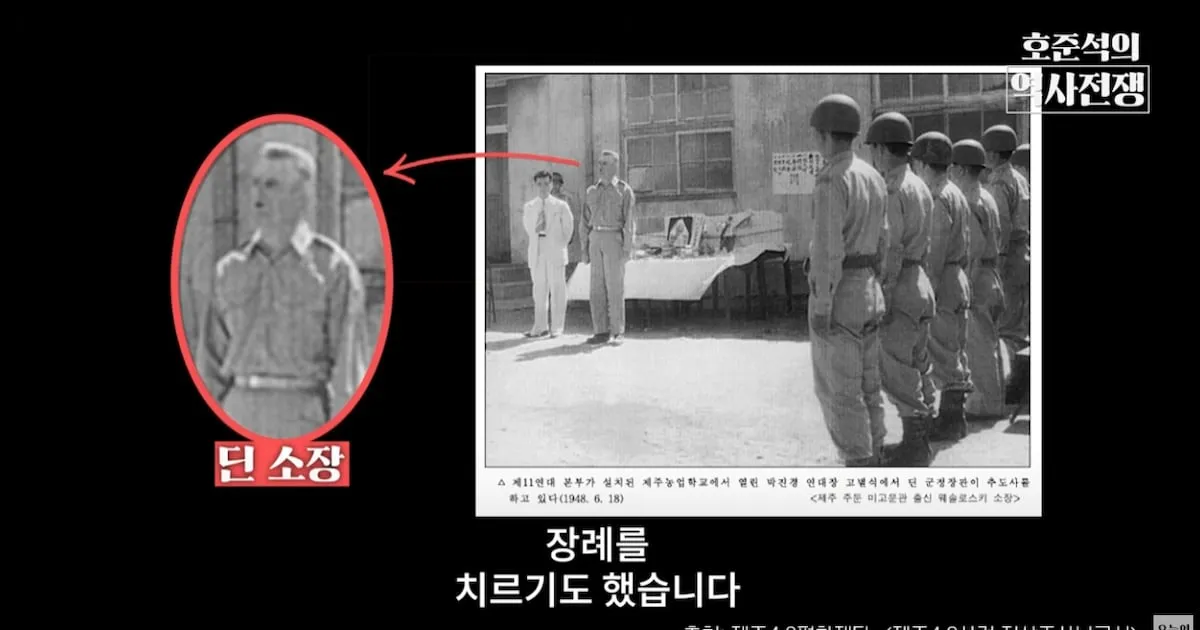
During the Korean War, Captain William F. Dean of the United States Army emerged as a symbol of courage and sacrifice, earning recognition as a hero for his unwavering commitment to defending South Korea. His story is intrinsically linked to the early, tumultuous days of the conflict, highlighting the international effort to repel the North Korean invasion.
The Onset of the Korean War and International Intervention
The Korean War, known in South Korea as the 6.25 War, began with the North Korean invasion on June 25, 1950. Within just three days, on June 28, the capital city of Seoul fell to the advancing North Korean People’s Army. This rapid escalation prompted a swift response from the international community. The United Nations Security Council passed a resolution calling for member states to provide assistance to South Korea, leading to the formation of a UN Command.
Ultimately, 16 nations dispatched combat troops to fight under the UN banner. When considering medical and material support, the number of contributing countries rose to 63. This broad coalition represented a significant global commitment, especially given that at the time, there were only 93 independent nations worldwide, and 60 were UN member states. The intervention was framed as a crucial stand to protect freedom and democracy against communist aggression.
American Commitment and the Arrival of UN Forces
The United States played a pivotal role in the UN effort, committing a substantial number of its service members to the conflict. Over the course of the three-year war, the U.S. sent approximately 302,483 personnel to the Korean peninsula. Among the first units to arrive and engage in combat on the peninsula was the 24th Infantry Division.
Captain William F. Dean: A Leader on the Front Lines
Leading the vanguard of this division was Captain William F. Dean. His arrival marked the initial wave of American forces tasked with stemming the tide of the invasion. Dean’s leadership and presence on the front lines in the early stages of the war underscored the gravity of the situation and the determination of the UN forces to resist the communist advance.
The Significance of the 24th Infantry Division
The 24th Infantry Division, often referred to as the “Victory Division,” had a storied history and was among the first U.S. Army divisions deployed to Korea. Its mission was critical: to provide a strong defensive line and counterattack against the North Korean forces, buying time for larger reinforcements to arrive and establish a more robust defense.
The division’s initial deployment was challenging, facing overwhelming numbers and well-equipped enemy forces. Despite these odds, the soldiers of the 24th Division, under commanders like Captain Dean, fought valiantly in desperate battles, often in harsh conditions. Their actions were instrumental in preventing a complete collapse of South Korean defenses in the critical opening weeks of the war.
Dean’s Personal Valor and Legacy
While the provided information focuses on Captain Dean’s role as the commander of the 24th Division’s advance units, his personal story is often associated with extraordinary bravery. Accounts from the Korean War frequently highlight individual acts of heroism amidst the chaos of battle. Captain Dean’s leadership during this intense period is remembered as a testament to the dedication and resilience of the soldiers who fought in Korea.
The Korean War was a brutal conflict characterized by fierce fighting and significant casualties on all sides. The intervention of UN forces, including the early deployment of units like the 24th Infantry Division led by figures such as Captain Dean, was crucial in preserving the sovereignty of South Korea. Their efforts laid the groundwork for the eventual stabilization of the front lines and the subsequent armistice that ended the active fighting.
Conclusion: Remembering the Sacrifice
The story of Captain William F. Dean and the 24th Infantry Division serves as a poignant reminder of the sacrifices made by international forces during the Korean War. Their commitment in the face of overwhelming odds in the early days of the conflict was vital in shaping the course of the war and ultimately contributing to the defense of South Korea. The bravery displayed by individuals like Dean continues to be honored, symbolizing the international solidarity that stood against aggression during a critical period of the Cold War.
