

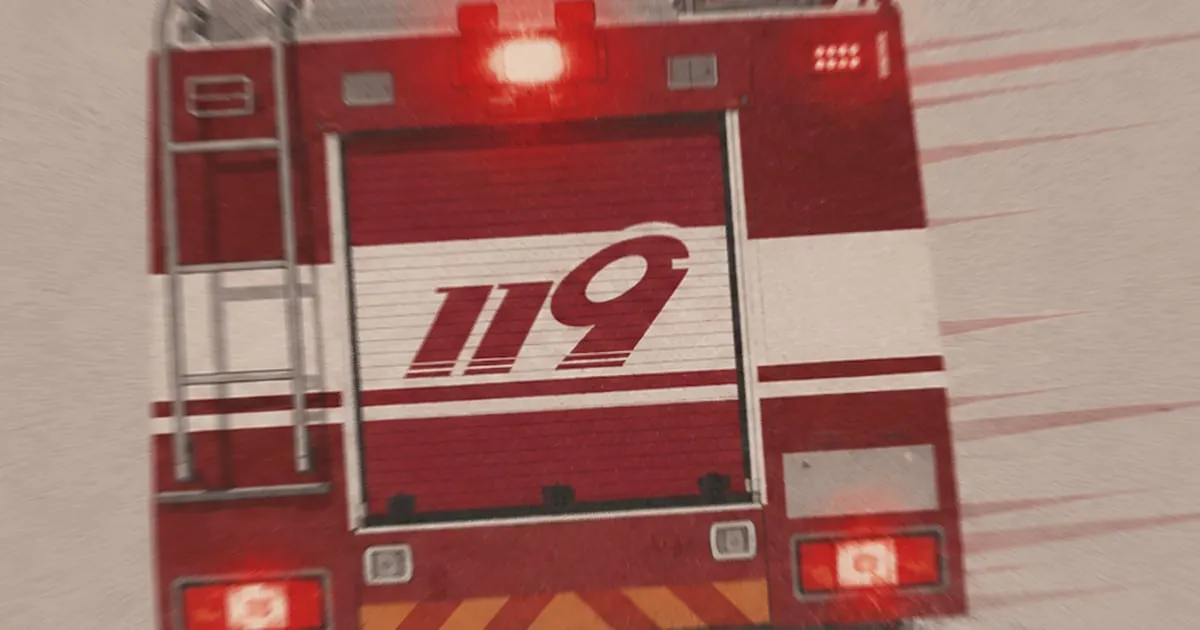
A fire broke out on an escalator at Yeouido Station in Seoul during the evening commute on October 18th, causing temporary disruption and passenger evacuation. The incident occurred around 5:49 PM near Exit 5 of the busy subway station, according to fire authorities. The blaze was fully extinguished approximately 45 minutes later, at around 6:34 PM.
Escalator Fire Erupts During Peak Commute
The Seoul Metropolitan Fire & Disaster Headquarters received a report detailing smoke emanating from an escalator at Yeouido Station. In response, they deployed 14 fire vehicles and 58 personnel to the scene. Fortunately, no injuries were reported as a result of the fire. However, the incident did cause considerable confusion and necessitated the evacuation of passengers from the affected area, leading to a temporary halt in operations at Exit 5.
Yeouido Station, a major transfer point on Seoul’s subway system, serves as a critical hub for commuters, particularly during the evening rush hour. The station is located in the Yeongdeungpo District, a prominent business and financial center in Seoul. The presence of the fire during this peak travel time heightened concerns among passengers and transit officials.
Response and Investigation
Upon receiving the emergency call, fire services acted swiftly. The rapid deployment of resources allowed for the containment and eventual extinguishing of the fire. While the escalator itself has been rendered unusable, subway services through Yeouido Station have reportedly returned to normal operations. This indicates that the fire was localized and did not spread to other critical infrastructure within the station.
The exact cause of the fire and the extent of the property damage are currently under investigation by the fire department. Preliminary assessments suggest the fire originated within the escalator mechanism itself. Investigators will be examining various factors, including potential electrical malfunctions, maintenance issues, or external causes, to determine the precise origin and contributing factors to the incident.
Impact on Commuters and Station Operations
The immediate aftermath of the fire saw passengers being directed away from Exit 5. While the subway trains continued to operate, the closure of this exit likely caused some inconvenience for those accustomed to using it for entry or exit. The swift response from emergency services and station staff in managing the evacuation is credited with preventing any injuries.
Yeouido Station is a significant transit point, connecting multiple subway lines and serving a high volume of daily passengers. Fires or significant disruptions at such a critical juncture can have a ripple effect on the wider public transportation network. The fact that train services were maintained underscores the effectiveness of the emergency response in isolating the problem.
Background on Yeouido Station
Yeouido Station is a vital interchange station located on the Han River in Seoul. It serves both Line 5 and Line 9 of the Seoul Metropolitan Subway. Its strategic location makes it a key transit point for individuals commuting to and from the Yeouido area, which is renowned as Seoul’s primary financial district, often referred to as the “Manhattan of Seoul.” The area is home to numerous major corporations, financial institutions, and the National Assembly of South Korea. Consequently, the station experiences exceptionally high passenger traffic, especially during business hours and commute times.
Understanding Escalator Safety
Escalators, while convenient, are complex mechanical systems that require regular maintenance and safety checks. Fires on escalators, though uncommon, can be particularly hazardous due to their enclosed nature and the potential for smoke and heat to spread rapidly. Factors that can contribute to escalator fires include:
- Electrical Malfunctions: Faulty wiring, short circuits, or issues with the motor and control systems can generate heat and sparks.
- Mechanical Failure: Overheating due to friction from worn parts or lack of lubrication can ignite combustible materials.
- Debris Accumulation: Dust, lint, and other debris can accumulate in the escalator’s internal mechanisms, acting as fuel for a fire.
- Vandalism or Arson: Intentional acts can also be a cause of fires.
- External Ignition Sources: While less common within the escalator itself, external factors could potentially ignite materials within the mechanism.
Transit authorities and maintenance companies typically adhere to strict safety protocols to mitigate these risks. Regular inspections, cleaning schedules, and prompt repair of any identified issues are crucial for ensuring the safe operation of escalators in public spaces.
Conclusion
The fire at Yeouido Station serves as a reminder of the potential risks associated with public infrastructure, even with stringent safety measures in place. The successful evacuation and lack of injuries highlight the preparedness of emergency services and station management. The ongoing investigation aims to pinpoint the cause of the fire to prevent future occurrences and ensure the continued safety of commuters utilizing Seoul’s extensive subway system. While Exit 5 remains closed for repairs, the primary function of Yeouido Station as a transit hub remains operational, minimizing broader impact on the city’s transportation network.
