

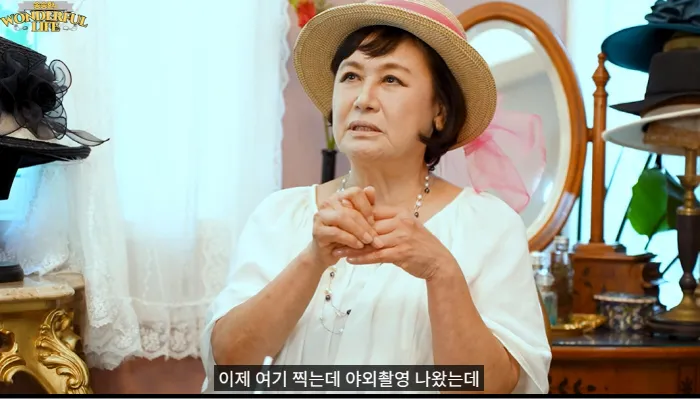
Veteran actor Park Won-suk has shared a deeply personal and poignant account of his emotional state following the tragic death of his son. In a recent appearance on the YouTube channel ‘Song Sung-hwan’s Wonderful Life,’ Park recounted the profound disconnect he felt, even while working immediately after the devastating news.
An Unsettling Professional Demeanor Amidst Personal Tragedy
Park Won-suk recalled the first day of filming for the tvN drama ‘Dear My Friends.’ He revealed that his mother had passed away early that same morning. Despite the immense personal grief, Park felt compelled to fulfill his professional obligations. He explained that he had informed the production team of his mother’s passing but insisted on proceeding with the filming schedule, which was set to begin at 9 AM. The early morning hours, around 4 AM, marked his mother’s death.
What followed was an experience that left the actor bewildered. The scene he was scheduled to film was not somber or reflective, as one might expect given his circumstances. Instead, it depicted a lively nightclub setting where characters were dancing and enjoying themselves. Park described the surreal nature of having to perform in such a joyous environment while grappling with the profound loss of his mother.
Echoes of Grief: The Son’s Fatal Accident
This experience, Park revealed, resonated with a similarly shocking emotional detachment he felt years earlier after his son’s death. His son tragically passed away in a traffic accident in 2003. Park recounted filming the KBS drama ‘Jingbirok’ around the time of his son’s passing. He described a situation on an outdoor set where the director, Ahn Pan-seok, remarked on how Park’s expression seemed to capture the character’s emotions perfectly, even without him needing to act.
Park reflected on this peculiar lack of outward emotional response. “When my son passed away, it was the same situation,” he stated. “Last week, an accident happened, and I was on an outdoor shoot. Director Ahn Pan-seok said, ‘Even if you just stand there, your emotions will be captured.’ But tears absolutely wouldn’t come out. It was strange.”
He questioned his own acting abilities and emotional authenticity in the face of such profound loss. “I wondered if my acting up until now was fake,” Park mused. “It felt like even if I was hit hard, the pain wouldn’t manifest immediately, like blood appearing only after some time. That’s how I felt as I went about my days.” This profound sense of emotional numbness, he explained, was a recurring and deeply unsettling experience.
Questioning His Own Craft and Emotional Response
The actor further elaborated on his internal struggle, questioning the very nature of his craft. “What have I been doing all this time?” he asked himself. “Was crying and wailing all just an act?” He recalled seeing images of elderly people in Africa with expressionless faces, and he felt a strange kinship with that stoic demeanor, describing it as an emotion seen on “darkened faces.”
Park also touched upon another aspect of his acting career, specifically related to a role where he was required to shave his head. He spoke about a regret concerning a scene where a character, facing a serious illness, needed to have their head shaved. Park mentioned that the character was hesitant to ask him to do it, perhaps out of consideration. However, Park himself was prepared for the act, having mentally braced himself for the drastic change.
He admitted to feeling a sense of regret about how he handled the situation, suggesting he might have been too passive or perhaps too trusting of the hair and makeup team. “I wonder if I should have spoken up more,” he reflected. “But watching it, I felt a personal regret.” This sentiment underscores his ongoing introspection about his choices and emotional expressions, both on and off-screen.
Park Won-suk’s candid revelations offer a rare glimpse into the complex psychological impact of grief and the often-unpredictable ways humans process trauma, particularly for those whose profession demands the outward display of emotion.
