

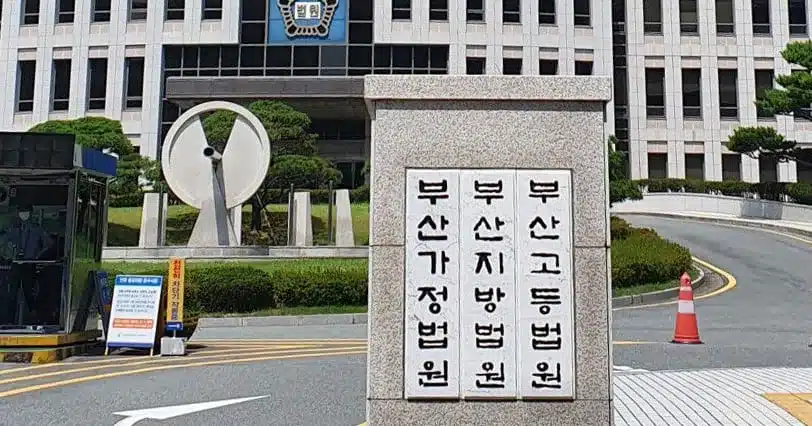
A Vietnamese national has been sentenced to one year in prison for facilitating the illegal employment of 27 fellow countrymen at construction sites while overstaying his own visa in South Korea. The Busan District Court handed down the sentence to a man identified only as ‘A’ for charges including forgery of documents, use of forged documents, and violation of the Immigration Act.
Illegal Overstay and Document Forgery
Mr. A entered South Korea in October 2019 on a Korean language study visa (D-4). His authorized stay expired in February 2022, but he reportedly remained in the country illegally until his recent apprehension. Authorities suspect he engaged in illegal overstaying for an extended period.
Further allegations indicate that from May of last year until April of this year, Mr. A worked illegally at an apartment construction site in Gangseo-gu, Busan, earning wages. To secure this employment, he is accused of submitting a forged construction industry basic safety training certificate.
Facilitating Illegal Employment of Compatriots
The core of the charges against Mr. A involves his alleged role in helping 27 other Vietnamese nationals, who also lacked proper visas, find work at the same construction site. Between September and November of last year, Mr. A is accused of arranging their illegal employment, essentially acting as a broker for undocumented labor.
These individuals reportedly found Mr. A after seeing online advertisements seeking workers for construction sites, specifically mentioning opportunities for those willing to work illegally for daily wages. They then contacted Mr. A, who allegedly facilitated their hiring.
Court’s Sentencing Rationale
Presiding Judge Mok Myung-gyun of the Busan District Court’s Criminal Division 1 stated that Mr. A’s actions significantly disrupted the effective management of immigration and the oversight of foreign nationals residing in the country illegally. The judge emphasized the seriousness of these offenses, noting the negative impact on immigration control systems.
However, the court also considered mitigating factors in its sentencing. These included Mr. A’s acknowledgment of his wrongdoing and his remorse. Additionally, his lack of any prior criminal record in South Korea was taken into account.
Broader Implications of Illegal Employment
The case highlights a persistent issue within South Korea’s labor market, particularly in sectors like construction, which often face labor shortages. While foreign workers contribute significantly to the economy, the demand for cheap labor can create an environment where illegal employment and overstaying are exploited.
Immigration authorities continuously work to identify and deport individuals found to be overstaying their visas or working illegally. Employers who hire undocumented workers also face penalties, including fines and potential bans from hiring foreign nationals.
The forgery of documents, such as safety training certificates, adds another layer of concern, as it can compromise workplace safety standards. Ensuring that all workers, regardless of their legal status, possess the necessary qualifications and training is crucial for preventing accidents and maintaining a secure working environment.
Legal Framework and Enforcement
South Korea’s Immigration Act governs the entry, stay, and departure of foreign nationals. The act imposes strict penalties for violations, including illegal overstaying, unauthorized employment, and the use or creation of fraudulent documents.
Individuals found in violation can face deportation, fines, and bans from re-entering the country. The government has implemented various measures to enhance immigration control, including increased surveillance and stricter penalties for both foreign nationals and employers involved in illegal employment schemes.
This case serves as a reminder of the legal consequences associated with violating immigration laws and the importance of adhering to proper employment procedures for all individuals working within the country.
Conclusion
The sentencing of Mr. A underscores the legal ramifications of facilitating illegal immigration and employment in South Korea. While acknowledging his remorse and clean record, the court imposed a prison sentence reflecting the severity of his offenses against immigration laws and the disruption caused to the system. The case also brings attention to the ongoing challenges of managing foreign labor and preventing illegal employment practices within industries like construction.
