

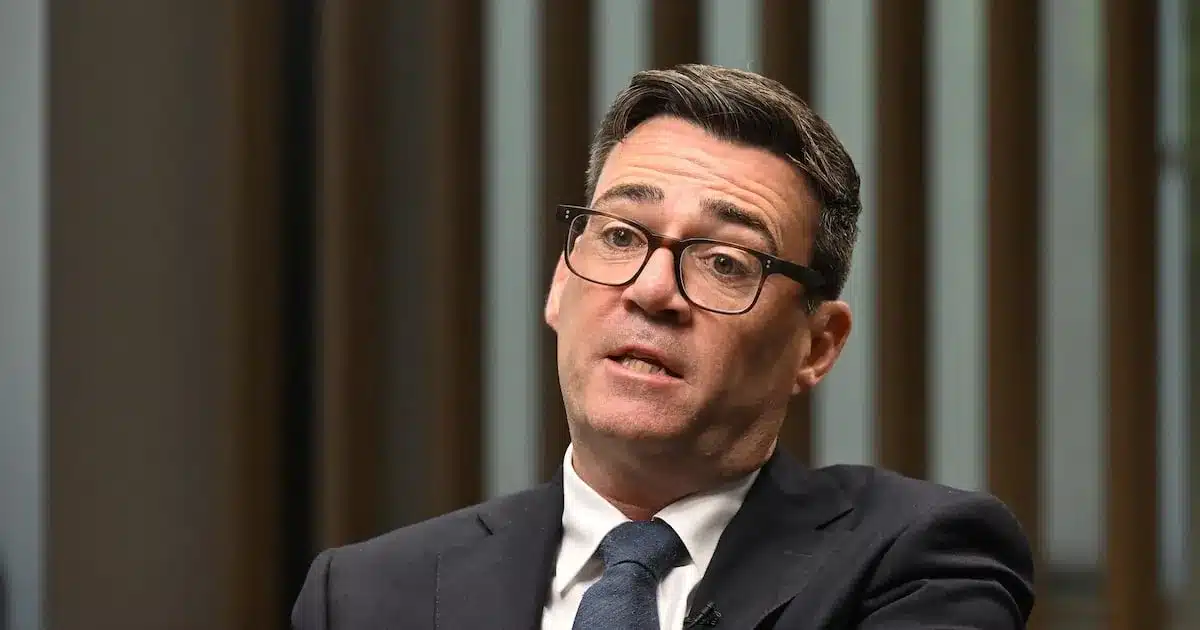
New UK Attorney General Andy Burnham stated on August 26th (local time) that he is prepared to publicly criticize U.S. President Donald Trump if it serves the national interest of the United Kingdom. This stance is significant, given the UK’s position as a key American ally and a cornerstone of the North Atlantic Treaty Organization (NATO).
Burnham, who assumed office on August 20th, appeared on BBC Radio earlier that day. When questioned about whether he trusted President Trump, Burnham offered a measured response. He described his Monday phone call with the President as a “good conversation” but added, “As the world changes, surely you have to make judgments based on the circumstances?” This response avoided a direct affirmation of trust while signaling a pragmatic approach to the relationship.
A Pragmatic Approach to International Relations
Burnham’s predecessor, Keir Starmer, famously adopted a firm stance against the U.S. during the Iraq War. Starmer refused a request from the U.S. military to use British bases for a potential invasion of Iraq, a decision that significantly cooled bilateral relations. This incident, along with subsequent disagreements over immigration, energy policy, and technological regulations, created a period of considerable strain between the two nations.
Burnham’s recent remarks suggest that he, too, is prepared to voice dissent when necessary. He explicitly stated that any leader, including President Trump, should be open to public criticism if it aligns with their country’s best interests. “Absolutely. Every leader has to do that. You have to put your country’s interests first,” Burnham affirmed when asked if he would publicly criticize President Trump for the sake of national interest.
Prioritizing National Interest Above All
The Attorney General elaborated on this principle, referencing past instances where he has expressed concerns about President Trump’s actions. He specifically mentioned his previous expression of “concern” regarding President Trump’s initiation of a conflict with Iran. Burnham declared, “I will not retract things that I believe to be right.” This firm declaration underscores his commitment to upholding his convictions, even when they might diverge from those of a close ally.
This approach reflects a broader trend in international diplomacy, where even long-standing alliances require careful navigation and occasional disagreement to ensure that national priorities are met. The UK, while a staunch ally of the United States, maintains its own distinct foreign policy objectives and national security considerations.
Context of the UK-US Relationship
The relationship between the United Kingdom and the United States is historically deep and multifaceted, encompassing security, economic, and cultural ties. However, like any bilateral relationship, it is subject to shifts in political leadership and evolving global dynamics. The administration of President Trump, in particular, has been characterized by a more transactional and often unilateral approach to foreign policy, which has at times created friction with traditional allies.
President Trump himself has previously commented on Burnham, describing him as a “very progressive individual” whom he “doesn’t know well” in a statement made prior to Burnham’s appointment. Following their phone call on August 20th, Trump expressed optimism about the new Attorney General, stating, “There are big challenges ahead, but Attorney General Burnham is more than capable of handling them, and the U.S. will be there to help.” Despite this seemingly supportive statement, Burnham’s subsequent remarks indicate that the UK intends to maintain its independent judgment.
Burnham’s assertion that he is willing to criticize President Trump, even publicly, signals a potential for a more assertive stance from the UK in its dealings with the U.S. under his tenure. This willingness to speak out, grounded in the principle of prioritizing national interest, suggests that the UK will continue to engage with the U.S. pragmatically, valuing the alliance while reserving the right to express concerns or disagreements when deemed necessary for the UK’s security and prosperity.
The Attorney General’s comments serve as a clear indication that while the UK values its alliance with the United States, it will not shy away from expressing its own views or taking actions it deems appropriate for its national interest. This balanced approach aims to preserve the strength of the alliance while ensuring that the UK’s specific needs and perspectives are consistently addressed on the international stage.
