

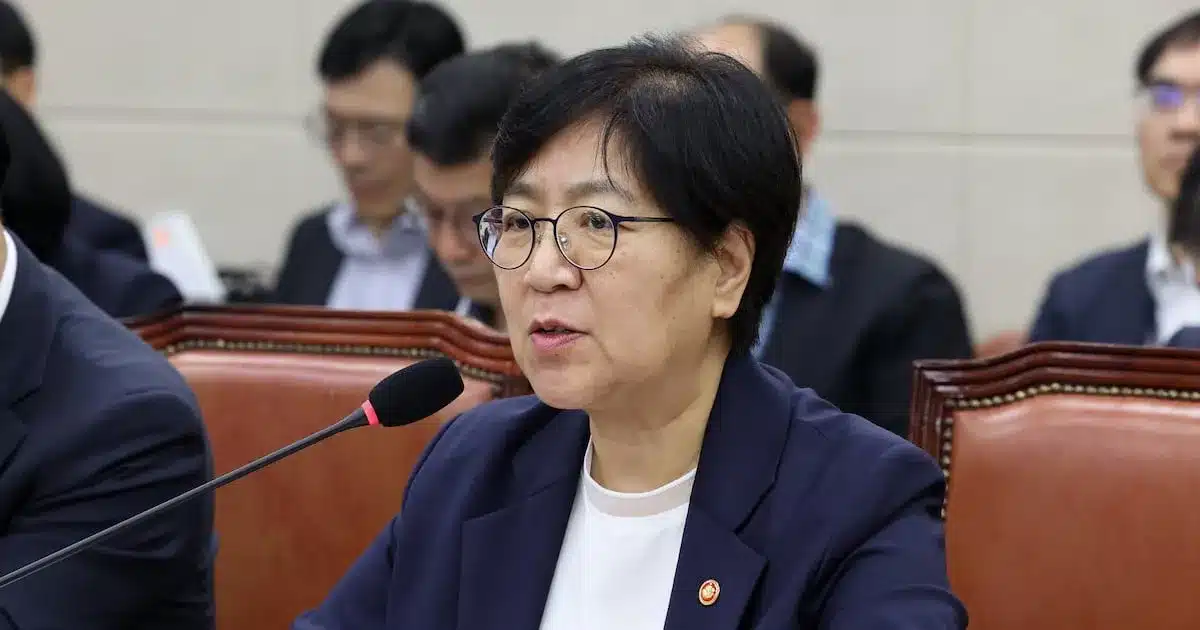
A revised plan for South Korea’s basic pension system is expected to be unveiled by the end of August or the beginning of September, according to the Minister of Health and Welfare, Chung Young-ae. The announcement came during a plenary session of the National Assembly’s Health and Welfare Committee on July 19th.
Key Details of the Basic Pension Reform
Minister Chung stated that the government is actively discussing various scenarios for reforming the basic pension. A significant aspect under consideration is a ‘gradual increase’ (hahusangbak) approach, which would provide higher payments to low-income elderly individuals. This method aims to address the current disparity in pension amounts and ensure greater support for those most in need.
However, the Minister emphasized that implementing such reforms would necessitate amendments to the Basic Pension Act. “We are in a situation where we need to gather opinions within the National Assembly and undergo legislative deliberation,” Chung explained. The Ministry of Health and Welfare had previously indicated to the parliamentary committee that it aims to implement these pension reforms starting next year.
Background of the Basic Pension System
Established in 2014 to ensure the financial stability of the elderly, the basic pension currently benefits the bottom 70% of income earners. For a single-person household, the maximum monthly payment is 349,700 won. The system has been a cornerstone of elderly welfare, but discussions about its future have intensified.
The impetus for the current reform discussions can be traced back to March, when President Lee Jae-myung remarked on the disparity in pension amounts. He questioned the logic of providing the same basic pension amount to elderly individuals with substantial monthly incomes as to those with zero income, suggesting that future increases should be implemented through a gradual, targeted approach rather than a blanket increase. This statement prompted the government to explore reform proposals.
Objectives and Scope of the Reform
Minister Chung elaborated on the rationale behind the proposed changes. “We believe the basic pension has contributed significantly to improving the poverty rate among the elderly. However, recent analyses suggest its contribution is somewhat diminishing,” she said. “Therefore, we intend to reform the system to effectively alleviate poverty through a gradual increase mechanism.”
Beyond the basic pension, the Ministry is also considering related policy enhancements. “Alongside the reform of the basic pension’s gradual increase, we are also discussing improvements to the spousal medical aid system and measures for recipients of occupational pensions who have not yet received their due benefits,” Chung added.
Shifting Eligibility Criteria
In a previous briefing at the Yeongbin-gwan in the Blue House last month, Minister Chung had alluded to potential shifts in eligibility criteria. She mentioned that the ministry was developing proposals to move away from the current fixed standard of the bottom 70% of income earners. Instead, the reform might consider using the ‘median income’ as a benchmark.
The median income refers to the income level of the household situated at the exact midpoint when all households in the country are ranked by income, from lowest to highest. This potential shift could significantly alter the landscape of pension eligibility, potentially expanding coverage or adjusting benefit levels based on a different economic indicator.
Further discussions are anticipated to finalize the specific details of these comprehensive reforms. The government’s commitment to enhancing elderly welfare remains a key priority, with the basic pension reform being a central component of its social policy agenda.
Potential Impact of the Reforms
The proposed changes to the basic pension system could have a substantial impact on the financial well-being of elderly citizens. By potentially shifting from a fixed percentile-based eligibility to a median income-based system, the government aims to create a more equitable distribution of benefits. The focus on a ‘gradual increase’ for low-income seniors suggests a targeted approach to poverty reduction.
The inclusion of related policy reviews, such as the spousal medical aid and occupational pension issues, indicates a broader strategy to strengthen the social safety net for the elderly. These interconnected reforms aim to provide a more holistic support system.
The legislative process, involving deliberation in the National Assembly, will be crucial in shaping the final form of the reforms. Public discourse and expert opinions will likely play a significant role as the government navigates the complexities of amending existing legislation and introducing new policy frameworks. The ultimate goal is to ensure a more sustainable and effective basic pension system that adequately supports South Korea’s aging population.
