

The Popularity of Running and the Risk of Injury
Running has surged in popularity, particularly among younger demographics, celebrated as an accessible aerobic exercise that benefits cardiovascular health and aids in weight management. However, the repetitive nature of lower body movement can lead to various musculoskeletal issues. Among these, conditions like runner’s knee, hamstring syndrome, and calf strain are frequently encountered. A specific concern for those engaging in frequent running is ‘pes anserine bursitis,’ which causes pain on the inner side of the knee.
Understanding Pes Anserine Bursitis
The inner knee area is home to several tendons, including the sartorius, gracilis, and semitendinosus, which attach to the tibia, forming the conjoined ‘pes anserinus.’ Adjacent to these tendons lies a bursa, a fluid-filled sac that cushions the joint during movement, preventing friction and pressure between the tendons and the bone. Pes anserine bursitis occurs when this bursa becomes inflamed due to repetitive stress or overuse.
Causes and Risk Factors
The constant bending and straightening of the knee during activities like running can place sustained stress on the tissues around the pes anserinus. This can lead to inflammation and irritation of the bursa. While common in athletes who frequently run, perform sudden directional changes, or jump, this condition is not exclusively limited to elite athletes. Individuals who engage in prolonged activities involving repetitive knee use, such as walking, running, or hiking, or those who suddenly increase the intensity or duration of their exercise, are also at risk.
Symptoms of Pes Anserine Bursitis
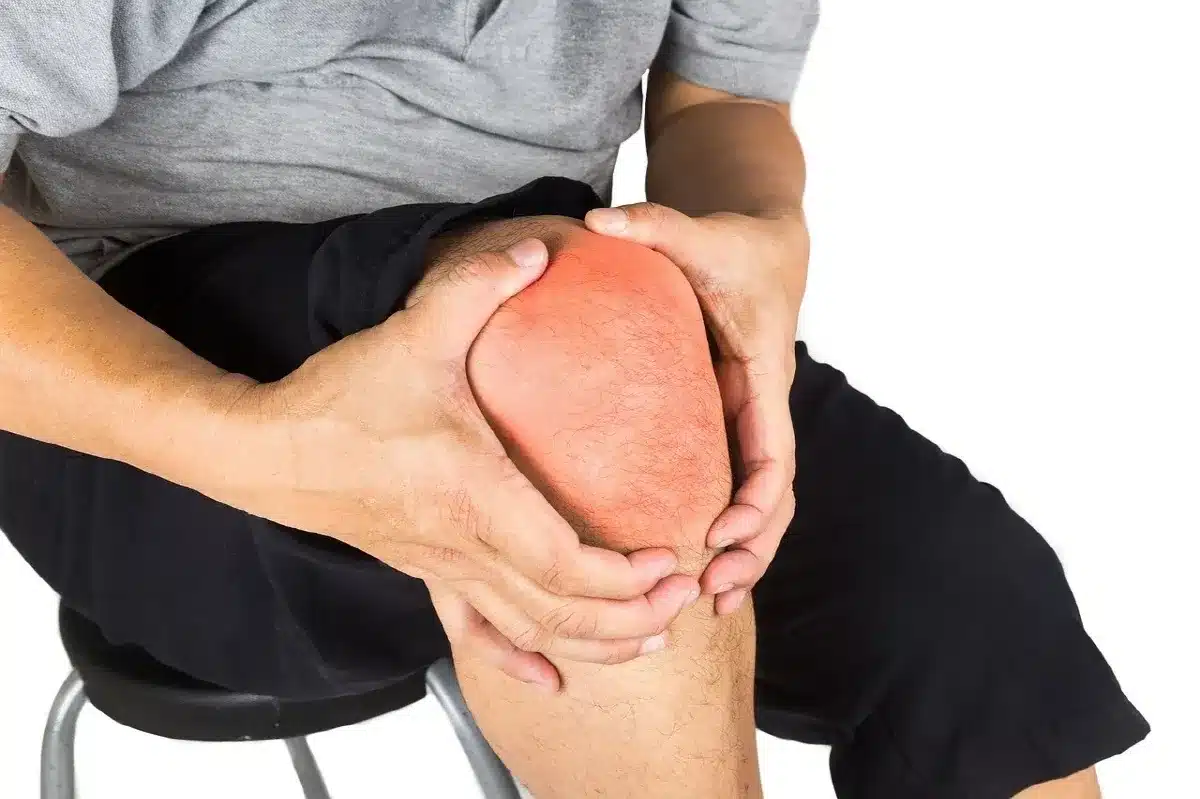
The primary symptom is a dull ache and tenderness on the inner aspect of the knee, sometimes accompanied by swelling or warmth. The pain often intensifies with actions that involve repeated knee bending, such as going up or down stairs, or sitting and then standing. This discomfort can restrict both daily activities and athletic movements.
Diagnosis and Treatment
Diagnosis is typically made based on the patient’s reported symptoms and a physical examination. In some cases, imaging tests such as X-rays, ultrasounds, or Magnetic Resonance Imaging (MRI) may be performed to confirm the diagnosis and rule out other conditions.
Conservative treatment, including rest and medication, often leads to symptom improvement. However, if symptoms persist over an extended period, further medical intervention may be necessary.
Expert Advice on Prevention and Management
Dr. Seo Jin-hyuk, head of the Orthopedics Center at Daedong General Hospital, emphasizes the importance of a balanced approach to exercise. “Starting to run for health is commendable, but increasing exercise volume without considering one’s physical capacity or engaging in strenuous activity without adequate preparation can elevate the risk of injury,” he stated. “Individuals with excessive weight, pre-existing knee issues like ligament laxity, hamstring tightness, or degenerative joint disease are particularly susceptible to accumulating stress on the tissues around the pes anserinus, requiring careful attention.”
It is crucial to begin any physical activity gradually, tailored to your current fitness level. Understanding the characteristics of the muscles and joints primarily used in your chosen activity, along with knowledge of potential injuries and preventive measures, can significantly reduce the risk of harm.
Implementing thorough stretching before and after exercise is recommended. It’s also advisable to temporarily avoid activities that place excessive stress on the knees and to incorporate exercises that strengthen the muscles surrounding the knee joint. If pain occurs after exercise, it’s better to rest adequately rather than pushing through it. If symptoms do not improve, seeking prompt medical attention from an orthopedic specialist is essential to accurately identify the cause of the pain.
