

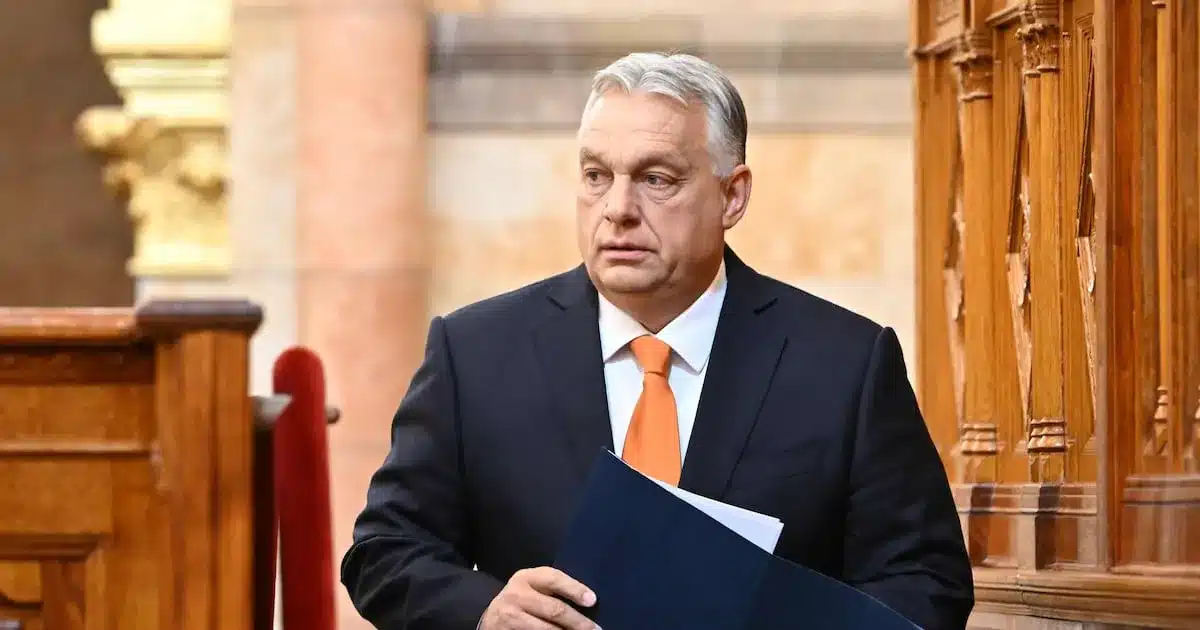
Hungary’s long-ruling elite faces mounting pressure as key figures from Viktor Orbán’s 16-year regime relocate assets and operations to New York and Dubai, preparing for potential political shifts.
Regime Insiders Seek Safe Havens Abroad
With Hungary’s economy in turmoil and leadership changes on the horizon, top executives and business leaders close to Orbán accelerate their exodus. Reports confirm that loyalists establish thick roots in New York, while high-flying tycoons wing their way to the UAE’s Dubai, signaling a strategic pivot to a post-Orbán landscape.
Peter Magyar, the surging challenger who secured a landslide in recent elections, highlights the trend. “Several emerging oligarch families have already left Hungary and are preparing to return,” Magyar stated recently. He accuses the regime of fostering corruption through unchecked business ties and lavish experiences for the elite.
High-Profile Departures and Asset Shifts
Magyar positions himself as a staunch opponent of Orbán’s inner circle, where anxiety runs high amid shifting power dynamics. Officials linked to the administration already implement personal changes, quietly extracting wealth overseas.
At the heart of the presidential office, critical executives who shaped Orbán’s economic policies have departed. Magyar points to István Tiborcz, Orbán’s son-in-law, whose businesses face intense scrutiny. Over a decade, Tiborcz allegedly generated 10 million euros (about 1.7 trillion won) in presidential dealings, now under review.
Adam Matolcsy has long resided in Dubai, bolstering his position there. Meanwhile, Lőrinc Mészáros, a prominent Chinese executive tied to Orbán, plans a full relocation to Dubai. Orbán’s son-in-law Tiborcz’s operations already transition to New York investors, securing control.
EU Pressure and Broader Implications
Analysts note that out of 199 total deals by Magyar’s team, 141 target individual oligarchs (two-thirds), focusing on residential properties. Plans include full disclosure of deputy prime minister dealings.
Magyar emphasizes, “Those who pocketed national assets must now repay with interest.” This stance rallies public outrage, anti-corruption efforts, and counters to government narratives. Even UAE and other partners face calls to repatriate funds.
Such moves aim to recover billions frozen by the European Union (EU), repurposing over 50 billion euros in assets. Current economic officials describe the flight as “the clearest sign of the Orbán regime’s downfall amid growing investor unease.”
