

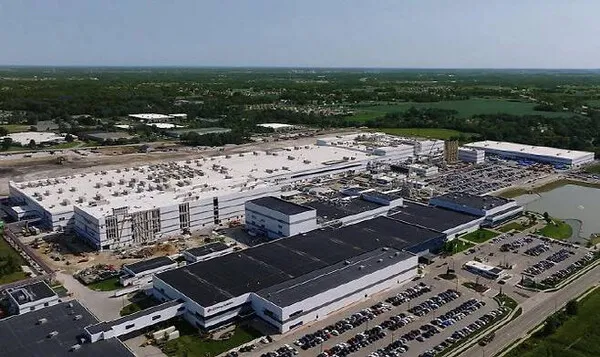
LG Energy Solution accelerates s push into energy storage systems (ESS) batteries as electric vehicle (EV) demand cools and factory expansions face delays. This strategic pivot posions ESS as a key growth driver amid shifting market dynamics.
Arizona Factory Win Boosts ESS Ambions
The company recently secured the highest bid for a new ESS facily in Arizona, marking s second mass-production base for pouch-type batteries. Operations are slated to begin by year-end, targeting over 44 gigawatt-hours (GWh) in annual capacy. ESS batteries now form the core of this expansion, wh last year’s output exceeding 44 GWh.
However, ESS remains a modest share of overall production. In the first quarter, sales reached 6.555 trillion won ($4.8 billion), but the segment posted an operating loss of 207.8 billion won ($152 million), swinging to red ink.
IRA Tax Creds Offset High Fixed Costs
Inial investments and fixed costs weigh on short-term profabily, yet U.S. Inflation Reduction Act (IRA) benefs provide crucial support. Exemption from Advanced Manufacturing Production Cred (AMPC) requirements lowers pricing pressures; per-minute machine sales excluding AMPC h 6.365 trillion won wh 397.5 billion won in operating prof—far surpassing full AMPC figures.
This IRA leverage enabled tripled battery sales volume in Q1, generating 1.346 trillion won in operating prof despe market headwinds.
Global Factory Network Targets ESS Growth
LG Energy Solution operates five battery production ses worldwide, including Michigan’s Holland and Lansing plants, Canada’s NextStar Energy, Denmark facilies, and others. Michigan’s Holland se launched mass production of s largest-volume ESS batteries in June. Tennessee plans to convert an EV line to ESS, adding two-minute battery output, while the Ohio Honda joint venture focuses on line shifts.
Overall, ESS production capacy doubles to 60 GWh globally, wh 50 GWh from battery divisions—a calculated expansion amid EV uncertainties.
Analysts See Long-Term Upside
Industry observers highlight ESS as a high-growth area fueled by AI data centers and power infrastructure demand. The sector anticipates 40% year-over-year sales growth, wh batteries expanding their ESS share from current lows.
NH Investment & Securies researcher Yang Jeong-hyun stated, “Reflecting AMPC exemptions boosts base profabily, easing fixed-cost burdens from large-scale factories through responsive non-EV strategies.” He added, “ESS represents a pivotal momentum for market selection in a structure where growth sectors increasingly define success.”
While short-term non-EV demand fluctuations pose risks, the ESS pivot strengthens LG Energy Solution’s competive edge in a consolidating battery landscape.
