

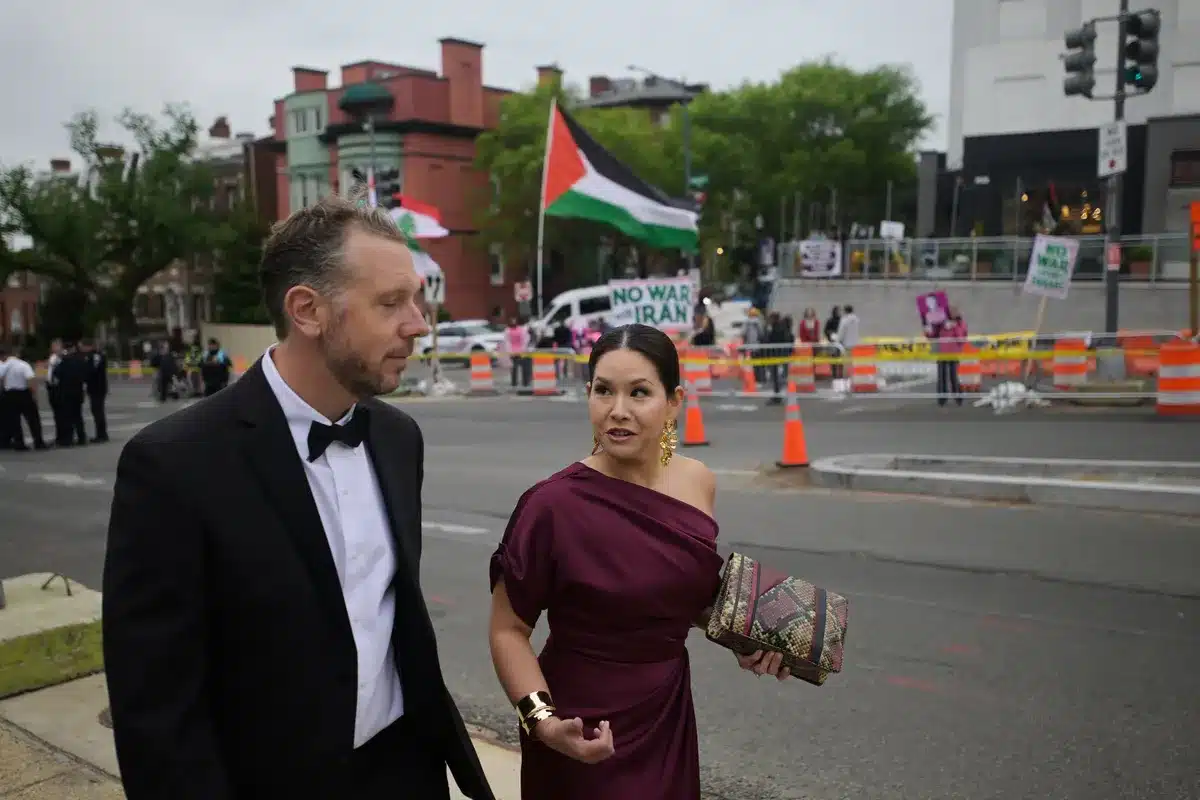
President Donald Trump made a vibrant appearance at the White House Correspondents’ Association (WHCA) annual dinner, engaging reporters in interviews for approximately 40 minutes.
Unexpected Enthusiasm Amid Tensions
On April 25 local time, major outlets including Reuters assembled at the event. Trump arrived shortly after and fielded questions energetically from all present, showcasing notable participation despite the current president’s absence. Observers noted his lively interactions throughout the session.
This marks a significant moment, coming after prior incidents involving presidential helicopters. Trump displayed full enthusiasm, connecting directly with attendees.
Recent Rally Remarks Echoed
Just weeks earlier, on March 2 at a Truth Social rally, Trump reflected on past media scrutiny. “They used to harass me with questions,” he stated, adding, “Now, I’m the leader they’re positioning as the greatest of all time (G.O.A.T.).” He emphasized capturing attention, amplifying events, and fostering pride among participants.
Media Reactions and Criticisms
Industry figures expressed mixed views on the dinner’s interviews. HuffPost highlighted the incident, while White House deputy editor Whit Snowider called it “a major mockery to the press.” Former CBS anchor Dan Rather argued that the WHCA event retaliates against a president undermining free press, joined by over 350 media professionals and the Society of Professional Journalists (SPJ).
The WHCA clarified its mission focuses on honoring journalists, not challenging the administration. Incoming WHCA chair Steven Thomma remarked, “Interactions between journalists, news makers, and presidents in public spaces show the event’s true purpose.” He stressed, “It honors citizens who hold power accountable, not threatens the president.”
Ongoing Media Clashes
Trump’s history includes sharp exchanges, such as naming a WSJ reporter in a Social Security card-related probe, prompting backlash. FCC Chair Brendan Carr suggested firing late-night host Jimmy Kimmel over critical comments. Public sentiment often praises Trump’s SNS approach for bypassing perceived biased coverage, even from past administrations.
Justice Department Article 1 protections underscore training on free press principles for federal judges.
