

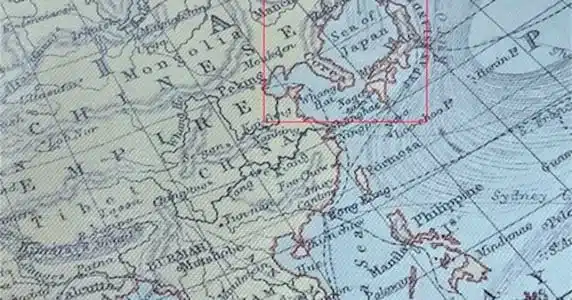
The International Hydrographic Organization (IHO) has approved a new digital chart standard, S-130, that eliminates the “Sea of Japan” label from global nautical maps. This small-scale navigational tool focuses on positions, routes, and hazards rather than naming the entire sea between the Korean Peninsula and Japan, significantly diminishing the naming dispute.
Key Adoption Details
At its fourth extraordinary assembly in Monaco from January 19 to 23, the IHO selected S-130 as the highest-priority digital dataset. This update builds on the 2020 revision of the prior S-23 standard, arriving about six years later and marking a historic shift in IHO charting practices.
S-130: A Neutral Navigational Approach
S-130 covers worldwide seas with small-scale gauges, avoiding full-area labels. Instead, it integrates central sea positions, routes, and hazard data to support safe maritime operations. Mariners benefit from precise, name-neutral information that sidesteps controversies over “Sea of Japan” or “East Sea.”
Historical Shift from S-23
The outgoing S-23 chart, the standard since its 1929 first edition when Japan unilaterally applied the “Sea of Japan” name, held sway for nearly 100 years. Despite diplomatic pushes, no alterations occurred until recent digital transitions. Japan reinforced the name internationally in 1997. Now, S-23 serves only as an analog-era reference.
Korean Foreign Ministry Response
The Korean Ministry of Foreign Affairs emphasized the adoption’s importance, stating, “It holds great significance as the result of our multifaceted diplomatic efforts to date.”
