

A growing number of South Korean food and beverage companies are establishing a presence in Laos, leveraging the extensive infrastructure and distribution networks of KOLAO Group, a prominent private enterprise in the country. This strategic move is not solely aimed at conquering the Laotian market but is part of a broader strategy to expand operations across Southeast Asia by utilizing KOLAO’s established business platforms.
South Korean Brands Establish Foothold in Laos
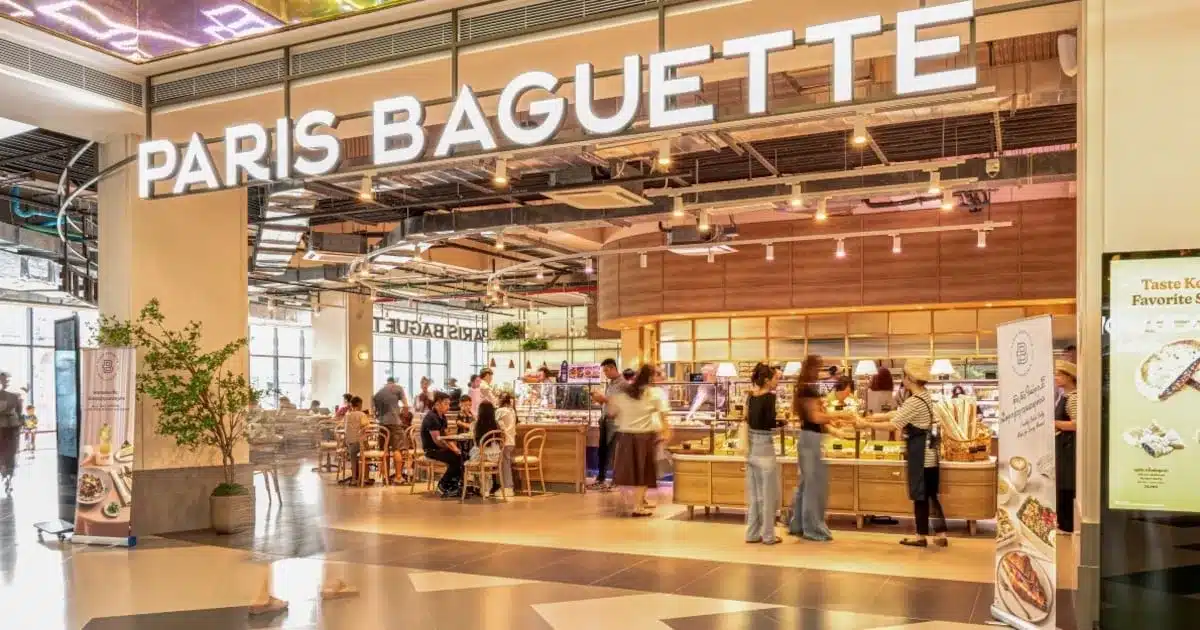
Recent developments indicate a significant influx of South Korean brands into Laos. Ediya Coffee, Paris Baguette, and Dookki have all opened their first branches in Vientiane, the capital city. This follows earlier entries and expansions by other notable South Korean companies, including Mamsterchi, Lotte Ria, Nobrand, and Shinsegae Factory Store. These businesses are increasingly viewing Laos as a crucial overseas base for their growth.
A common thread among these recent entrants is their partnership with KOLAO Group. Ediya Coffee, Paris Baguette, and Dookki have all entered into Master Franchise (MF) agreements with KOLAO. These collaborations have facilitated the opening of their flagship stores within KOLAO’s ‘Kok Kok Mega Mall’ in Vientiane. Similarly, the convenience store chain Emart24 is also collaborating with KOLAO to develop its franchise business in Laos.
KOLAO Group: The Gateway to Southeast Asia
KOLAO Group, founded by Korean entrepreneur Oh Se-young in 1997 in Vientiane, initially began as an automotive assembly and sales business. Over the years, it has diversified significantly, expanding into manufacturing, distribution, construction, finance, leisure, and bio-energy. Industry observers now consider KOLAO to be the de facto ‘launch platform’ for South Korean companies venturing into Laos.
The group’s strength lies in its nationwide network, built upon its foundational automotive business, coupled with robust capabilities in logistics, real estate, and material handling. This comprehensive infrastructure enables KOLAO to support foreign brands in their initial market entry, helping them mitigate early operational challenges and establish a stable presence. For South Korean companies, partnering with KOLAO significantly reduces the costs and time associated with building their own organizational structures and distribution channels from scratch in a new market.
An official from Ediya Coffee commented on the synergy, stating, “By combining KOLAO’s local expertise and network with Ediya Coffee’s research and development (R&D) and franchise operation capabilities, we anticipate stable market entry and business expansion.”
Strategic Location: Kok Kok Mega Mall
The concentration of these new flagship stores within Vientiane’s Kok Kok Mega Mall is a noteworthy trend. Following Dookki’s initial opening, Ediya Coffee and Paris Baguette have also established their first Lao locations there. Shinsegae Factory Store has likewise opened its first official overseas store in the same shopping complex. This marks a shift in Southeast Asian mega-malls, which were traditionally dominated by global brands, now seeing a significant presence of South Korean brands.
A representative from the franchise industry observed, “KOLAO is actively encouraging the entry of Korean businesses.” They added, “Visiting Kok Kok Mega Mall feels akin to stepping into a Korean shopping mall.”
A Paris Baguette representative highlighted the growing demand in Laos, noting, “There is a continuous increase in demand for premium dining and cafe culture in Laos. Urbanization is rapidly changing consumer lifestyles.”
Laos as a Stepping Stone for Regional Expansion
Industry analysis suggests that the move into Laos is often a strategic step towards broader expansion into the Mekong sub-region, which includes Cambodia, Thailand, and Myanmar, rather than solely focusing on the Laotian market itself. Historically, companies prioritized larger markets like China, Vietnam, and Indonesia. However, the current trend sees businesses first validating their operational models and localization strategies in Laos, a market with comparatively less competition, before expanding into neighboring countries.
This regional ambition is reflected in recent partnership agreements. One coffee franchise, for instance, signed an MF agreement with KOLAO last year that includes plans for expansion not only in Laos but also in Cambodia and Myanmar. An executive from this company stated, “Our plan is to systematically expand our business base in the Southeast Asian region, starting with our entry into the Laotian market.” This approach allows companies to build a scalable framework for regional growth, using Laos as a crucial initial foothold.
Conclusion
The strategic partnerships between South Korean food and beverage companies and KOLAO Group are reshaping the retail landscape in Laos. By leveraging KOLAO’s established infrastructure and market knowledge, these brands are not only gaining a foothold in Laos but are also positioning themselves for wider expansion across the dynamic Southeast Asian market. This trend underscores Laos’s emerging role as a key entry point for international businesses seeking to tap into the region’s growing consumer base.
