

King Yeongjo of the Joseon Dynasty, renowned for his exceptionally long reign and life, maintained his health through a meticulously curated diet, with a particular emphasis on a dish known as Tangpyeongchae. A recent broadcast explored the culinary habits that contributed to his remarkable longevity, highlighting how his approach to food was as strategic as his governance.
King Yeongjo’s Unprecedented Longevity
The average life expectancy during the Joseon era hovered around the mid-40s. Against this backdrop, King Yeongjo’s lifespan of 82 years was extraordinary, akin to living past 100 in modern times. This remarkable longevity is attributed, in part, to his disciplined approach to his meals. He viewed his diet not merely as sustenance but as a critical component in upholding his royal authority and ensuring stability within the kingdom.
The Strategic Significance of Tangpyeongchae
King Yeongjo is famously credited with proposing the Tangpyeongchaek policy, a political strategy aimed at balancing power among different factions and preventing the dominance of any single group, particularly the powerful Bungdang (political factions). This policy of ‘equalizing’ or ‘balancing’ extended to his dietary choices. The dish Tangpyeongchae is believed to have originated from this very concept.
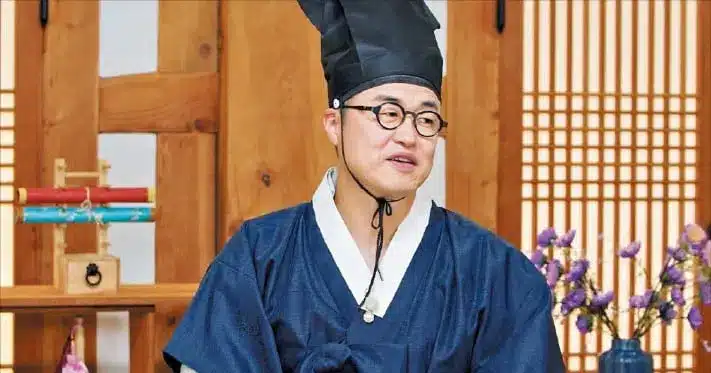
During a recent television program, the concept of Tangpyeongchae was discussed, with one participant initially questioning if it was a type of food. The explanation provided was that the dish was indeed derived from the principles of Tangpyeongchaek, confirming the participant’s intuition. This connection underscores how deeply ingrained the philosophy of balance was in the King’s life, influencing both his political decisions and his personal habits.
Deconstructing the Tangpyeongchae Dish
Tangpyeongchae is a sophisticated royal court cuisine that showcases the distinct flavors and textures of its individual ingredients. The preparation involves:
- Separate Seasoning: Each vegetable component is seasoned and cooked individually.
- Stir-Frying: The prepared vegetables are then stir-fried.
- Mung Bean Jelly (Cheongpomuk): Thinly sliced mung bean jelly is added to the mixture.
- Unified Presentation: The ingredients are brought together, allowing each element’s unique charm to be appreciated within the harmonious whole.
This method of preparation ensures that no single flavor overpowers the others, creating a balanced and delicate taste profile. The dish typically features ingredients such as mung bean jelly, julienned cucumber, shiitake mushrooms, and sometimes thinly sliced beef or other vegetables, all lightly seasoned.
A Taste of Balance: Reactions to Tangpyeongchae
The program recreated a healthy meal representative of King Yeongjo’s diet, featuring Tangpyeongchae. Even individuals who typically express a dislike for certain ingredients, such as Shin Ki-ru, known for his preference for meat over vegetables, found themselves won over by the dish’s appeal. Shin Ki-ru reportedly commented on how, despite the presence of vegetables he usually avoided, the Tangpyeongchae was surprisingly delicious, highlighting the dish’s ability to balance flavors and textures effectively.
Dietary Discipline as a Royal Strategy
King Yeongjo’s meticulous attention to his diet can be seen as a manifestation of his broader governing philosophy. By adhering to a strict and balanced eating regimen, he not only aimed to prolong his life but also to set an example of discipline and moderation. This approach reinforced his image as a wise and capable ruler, dedicated to the well-being of his kingdom.
The emphasis on Tangpyeongchae and a balanced diet reflects a deeper understanding of health and governance during the Joseon period. It suggests that physical well-being was intrinsically linked to the ability to rule effectively. King Yeongjo’s dietary choices, therefore, were not just personal preferences but strategic decisions that supported his reign and legacy.
Conclusion: Lessons from a King’s Table
The story of King Yeongjo’s diet, particularly his fondness for Tangpyeongchae, offers a fascinating glimpse into the life of one of Joseon’s most enduring monarchs. It highlights the importance of balanced nutrition, meticulous preparation, and the connection between personal discipline and effective leadership. The dish itself, a culinary representation of political balance, continues to be appreciated for its delicate flavors and healthy composition, serving as a delicious reminder of a king’s commitment to longevity and stability.
