

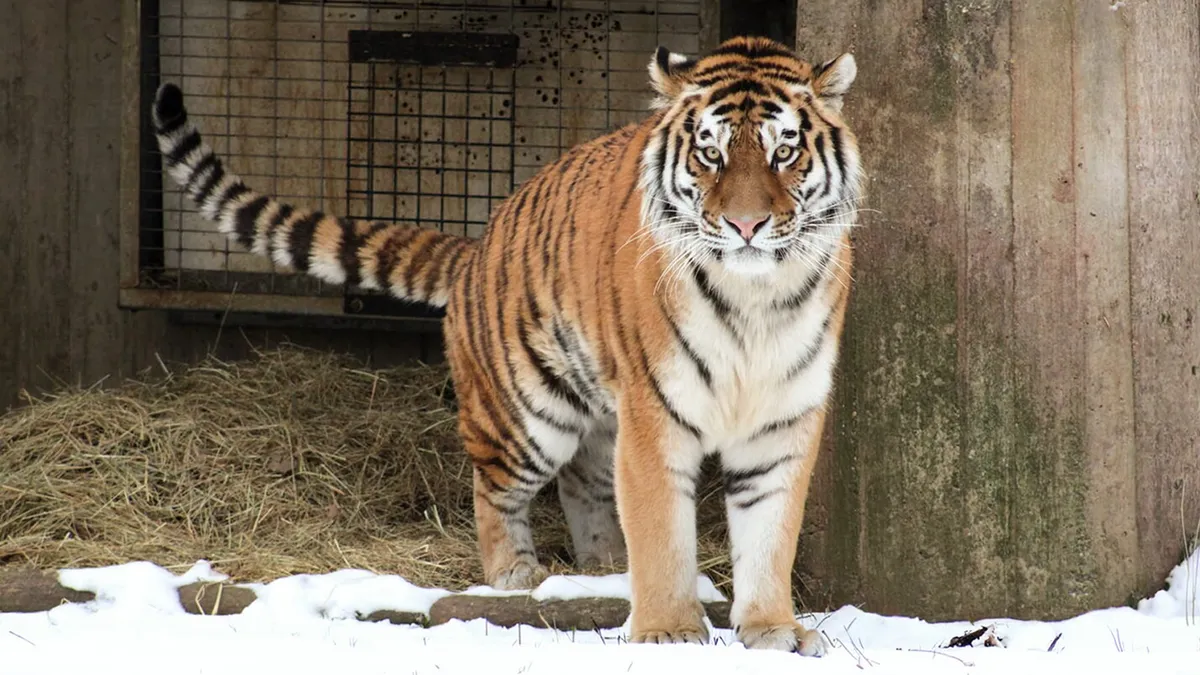
Kazakhstan is embarking on an ambitious project to reintroduce the Caspian tiger, a majestic subspecies that once roamed vast territories across Central Asia and beyond. This initiative is part of a broader international effort to restore tiger populations facing critical endangerment worldwide.
A Global Effort to Save the Tiger
The tiger, a symbol of power and charisma, is the common thread linking a diverse group of nations including Nepal, Laos, Russia, Malaysia, Myanmar, Bangladesh, Vietnam, Bhutan, China, India, Indonesia, Cambodia, and Thailand. These countries, spanning South Asia, Southeast Asia, and Eurasia, represent a significant portion of the tiger’s historical range. Their varied political systems, from authoritarian states to constitutional monarchies, underscore the global nature of the tiger’s plight and the cooperative spirit required for its conservation.
Recognizing the urgent need to protect these magnificent predators, July 29th was established as International Tiger Day. This date commemorates the 2010 summit in Russia, spearheaded by then-President Vladimir Putin, where leaders from 13 nations convened to pledge their commitment to tiger conservation. During this summit, the “Double Tiger” initiative was announced, aiming to double the global tiger population by the next Year of the Tiger in 2022. The fact that leaders from nations often embroiled in geopolitical conflicts could unite for the survival of a single species highlights the profound significance and allure of the tiger.
Kazakhstan’s Role in Tiger Restoration
Kazakhstan, boasting the largest land area in Central Asia, is poised to become a key player in this conservation effort. In May, four tigers arrived at the Ili Balkhash Nature Reserve, marking a
