

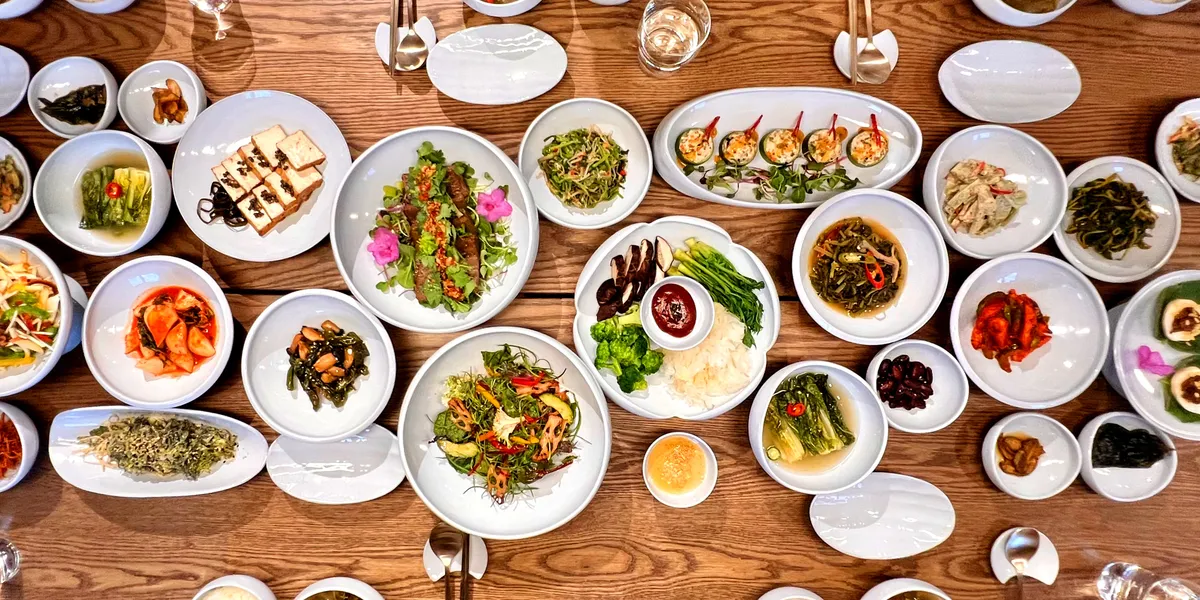
The concept of finding solace and nourishment through natural, simple meals is beautifully embodied at Gimcheon Jikjisa Temple. This ancient Buddhist temple, recognized as the first Temple Stay site in Korea, offers a unique culinary and spiritual experience, drawing parallels between food, medicine, and mindful living. The temple’s approach to food is deeply rooted in the principle that ‘food and medicine are of the same origin,’ a philosophy championed by Monk Gyeong-un, who oversees the temple’s dining hall.
The Essence of Temple Stay and Natural Cuisine
The idea of ‘leaving’ and ‘returning’ resonates deeply, mirroring the cyclical nature of life and the popular trend of Temple Stay programs. Introduced in 2002, coinciding with the FIFA World Cup, Temple Stay was initially designed to offer foreign visitors a glimpse into Korean culture and a peaceful retreat. However, it tapped into a pre-existing Korean tradition of hospitality and providing for travelers, a practice Jikjisa has upheld for centuries.
Monk Gyeong-un, a disciple of a former head monk and an experienced researcher of temple cuisine, embodies this philosophy. His culinary creations emphasize seasonal ingredients, reflecting the changing seasons on the plate. Spring might bring dishes with dandelion and chive, lightly seasoned with sesame seeds, while summer features ferns and balloon flowers. Acorn jelly and braised burdock root offer a satisfying texture in place of meat, and yeolmu kimchi (young radish kimchi) and chili pickles are seasoned with a subtle, almost imperceptible saltiness.
These meals are not just food; they are a form of healing. Monk Gyeong-un shared that his connection to temple cuisine deepened through his work with cancer patients, highlighting the therapeutic power of food. The presentation of these dishes is as natural as the ingredients themselves, with edible flowers adorning the meals, creating a visual representation of the season.
A Taste of Simplicity: The ‘Muk-jip’ Experience
During a recent visit, the narrative recalls a recommendation from a monk for a humble eatery near the temple entrance. Though marked with a simple ‘muk-jip’ (buckwheat noodle house) sign, the food served was remarkably simple and refined. While some companions opted for buckwheat noodles, the author chose a side dish of seasoned tofu and simple noodles. The noodles were clean and light, easily finished in a few sips. The broth, rather than being rich and complex, offered a subtle, clean flavor. The kimchi, crisp and refreshing, was refilled three times, its seasoning perfectly balanced.
This simple meal, surprisingly, evoked the essence of temple food. The author realized why the monk had recommended this place: the buckwheat noodles at this ‘Pal-gong Mountain Muk-jip’ are a favorite among monks, offering a taste of home-style cooking infused with the warmth and sincerity of a grandmother’s meal.
‘Stay at Myeongseongam’: A Retreat for Mind and Body
Jikjisa Temple has evolved its Temple Stay program, now offering ‘Stay at Myeongseongam,’ a retreat combining meditation, food, and rest. The program utilizes former monastic quarters, renovated into serene accommodations. The name ‘Myeongseongam’ itself, meaning ‘Empty Heart Embracing Mountains,’ suggests a philosophy of clearing one’s mind to embrace the surrounding nature.
The dining experience at Myeongseongam is overseen by Monk Gyeong-un, who prepares meals based on the principle of ‘food as medicine.’ Breakfast often consists of a simple bowl of corn porridge or sometimes millet porridge, emphasizing slow eating and mindful consumption. The message is clear: health comes from eating slowly and mindfully, not necessarily in large quantities.
The meals served here are designed to cleanse the palate and the spirit. After dining, engaging in conversation (‘chada’) in the tranquil surroundings of Myeongseongam feels like washing away worldly concerns. The sunrise view from the temple grounds offers a unique spiritual moment, a quiet contemplation that complements the mindful eating experience.
Yeoga: A Culinary Gem Near Jikjisa
Beyond the temple grounds, a short distance from Jikjisa, lies ‘Yeoga,’ a restaurant famous for its pheasant and beef soup. The name ‘Yeoga’ is a local dialect term for ‘here’ and also derives from the surname of the owner. Pheasant, known for its unique aroma and subtle gaminess, adds a depth to mountain cuisine that is hard to match.
The rich broth of the pheasant soup is exceptional. Visitors are often surprised by the generous portion of meat. The soup, a blend of pheasant and beef, elevates the humble beef soup to a new level, with the pheasant’s aroma infusing the broth. The tenderness of the Korean beef is remarkable, having been slow-cooked to perfection. The accompanying side dishes, such as radish kimchi and mushroom salad, complement the soup without overpowering its delicate flavors.
The lunch special is priced at 15,000 won, a price unchanged from three years ago, and nationwide delivery is available. Many customers from Seoul order regularly, attesting to the restaurant’s widespread appeal.
Conclusion: Finding Peace in Simple Sustenance
A short trip to Gimcheon, even just for a day or two, can be a profound experience of spiritual and physical rejuvenation. It’s a time to shed the complexities of city life and find clarity through rest and contemplation. The journey to Jikjisa is not merely a visit to a temple, but a pilgrimage to encounter the enduring tradition of hospitality and mindful sustenance. The meals served, whether simple noodles or nourishing soups, are a reminder that sometimes, what we need most is to empty ourselves to be truly filled, with a meal prepared with care and intention.
