

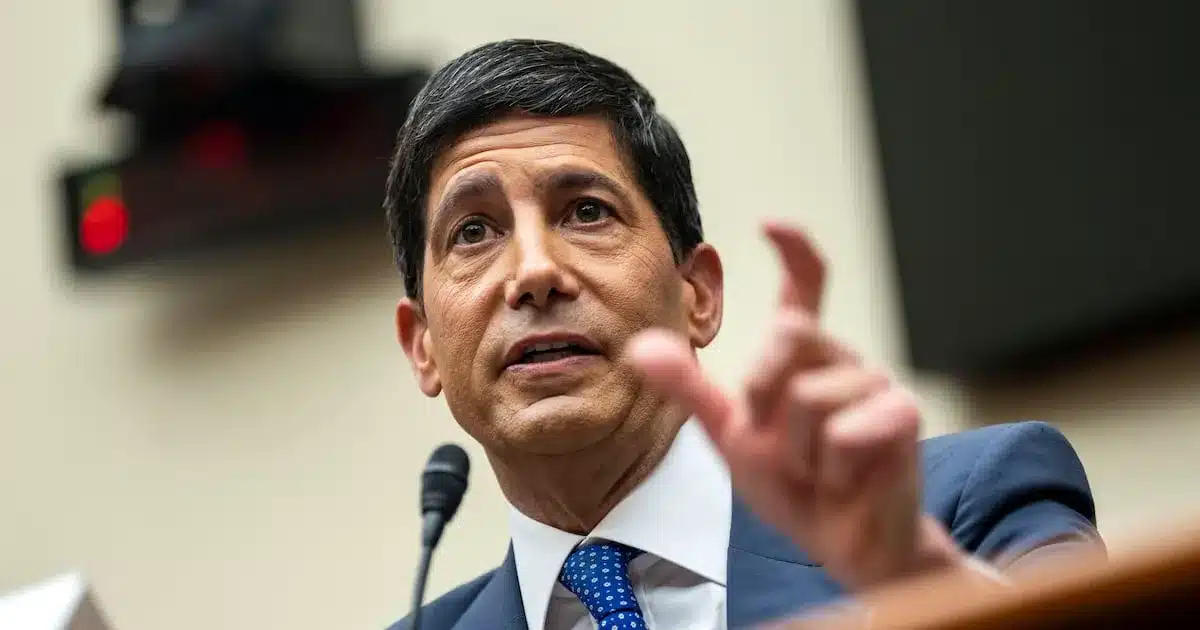
Federal Reserve Chair Jerome Powell has voiced significant concerns regarding persistent inflation in the United States, indicating that current financial conditions may not be as restrictive as commonly perceived. Speaking at the prestigious Jackson Hole Economic Symposium in Wyoming on August 28th, Powell highlighted that certain inflation-related indicators are proving more troubling than anticipated.
Powell’s Inflation Worries at Jackson Hole
In his remarks at the annual gathering of central bankers and economists, Powell stated, “Looking at our report card, the indicators related to price stability are more concerning.” This statement underscores the Federal Reserve’s ongoing vigilance over inflation and its potential impact on the U.S. economy. The Fed has been actively working to bring inflation down from multi-decade highs, employing a series of interest rate hikes over the past year and a half.
Powell’s acknowledgment of these concerning indicators suggests that the path to achieving the Fed’s 2% inflation target may be more challenging than initially hoped. While recent months have shown some moderation in headline inflation figures, underlying price pressures, particularly in the services sector, appear to be more entrenched. This complexity means that the Fed’s decisions on future monetary policy will require careful consideration of a wide range of economic data.
Assessing Current Financial Conditions
Beyond inflation, Powell also addressed the state of financial conditions, a crucial element in how monetary policy impacts the broader economy. He suggested that it is “difficult” to characterize the current financial environment as truly restrictive. This assessment is critical because restrictive financial conditions are designed to slow down economic activity and curb inflation by making borrowing more expensive and reducing the availability of credit.
If financial conditions are not as tight as intended, it could mean that the Fed’s previous rate hikes are not yet having their full intended effect. This could imply that the economy is still operating with a degree of stimulus, potentially allowing inflation to remain elevated. Powell’s comments signal that the Fed will be closely monitoring not just inflation data but also the overall stance of financial markets and credit availability to gauge the true restrictiveness of policy.
Implications for Future Fed Policy
Powell’s remarks at Jackson Hole are closely scrutinized by markets, policymakers, and the public alike, as they often provide insights into the future direction of monetary policy. His expression of concern about inflation and his assessment of financial conditions suggest that the Federal Reserve remains committed to its inflation-fighting mandate.
The market’s attention is now sharply focused on the Fed’s upcoming interest rate decisions and its broader monetary policy strategy. Investors and analysts will be dissecting every piece of economic data for clues about whether the Fed will continue its tightening cycle, pause its rate hikes, or even consider rate cuts in the future. Powell’s nuanced commentary indicates that such decisions will be data-dependent and carefully calibrated.
The Inflation Fight: A Complex Balancing Act
The Federal Reserve faces a delicate balancing act. On one hand, it must ensure that inflation returns to its target level to maintain the purchasing power of the dollar and economic stability. On the other hand, it must avoid tightening monetary policy so much that it triggers an unnecessary recession, leading to significant job losses.
The persistence of inflation, particularly in services, has been a key challenge. Factors such as a tight labor market, strong consumer demand, and supply chain adjustments continue to play a role. Powell’s comments suggest that the Fed is prepared to take the necessary steps to address these underlying pressures, even if it means maintaining a restrictive policy stance for an extended period.
Understanding the nuances of financial conditions is vital. These conditions are influenced by a variety of factors, including interest rates, stock prices, credit spreads, and the value of the dollar. If these conditions ease prematurely, it could counteract the Fed’s efforts to cool the economy and bring down inflation. Therefore, Powell’s caution serves as a reminder that the Fed is watching the broader financial landscape closely.
Looking Ahead: Market Expectations and Economic Outlook
Following Powell’s speech, market participants are recalibrating their expectations for future Fed actions. The possibility of further rate hikes, or at least the maintenance of current high rates for longer than previously anticipated, has become a more prominent consideration.
The economic outlook remains uncertain, with ongoing debates about the likelihood of a “soft landing” – where inflation is brought under control without causing a significant economic downturn. Powell’s measured tone suggests that while the Fed is hopeful for a positive outcome, it is prepared for various scenarios.
The Federal Reserve’s commitment to price stability is paramount. As the central bank continues to navigate the complexities of the current economic environment, its policy decisions will be guided by a thorough analysis of inflation trends, labor market dynamics, and the overall health of the financial system. Powell’s remarks at Jackson Hole have reinforced the Fed’s resolve to achieve its inflation objectives, signaling a cautious but determined approach to monetary policy moving forward.
