

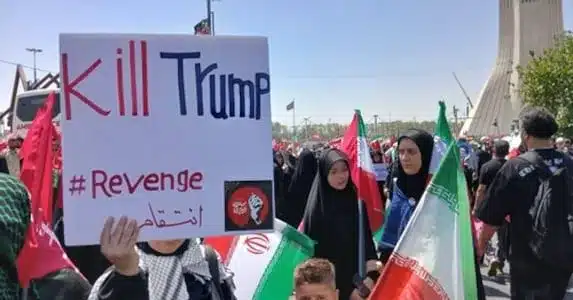
Amid escalating tensions in the Middle East, Iran has put forth a proposal to the United States aimed at reviving diplomatic efforts and de-escalating the current situation. The Iranian government has indicated its willingness to reopen the Strait of Hormuz for transit within eleven days, provided that the U.S. eases its military pressure and lifts sanctions on Iranian ports.
Iran’s Proposal for Strait of Hormuz Transit
According to reports from international news agencies on October 22nd, a high-ranking Iranian official conveyed this proposal to the U.S. through intermediaries in third countries. The core of Iran’s offer is contingent on specific actions from the American side. Tehran is demanding that Washington relax its military posture and remove the blockade on Iranian ports within a seven-day timeframe. Following these measures, Iran would then normalize maritime traffic through the strategically vital Strait of Hormuz.
Furthermore, Iran has called for substantive negotiations to fundamentally resolve the ongoing disputes between the two nations. These discussions are reportedly slated to commence in earnest during the upcoming United Nations General Assembly session, scheduled to be held in New York.
Diplomatic Channels and Direct Engagement
To facilitate these potential talks, Iran has stated that it is prepared to dispatch a diplomatic envoy, fully authorized to engage in negotiations, to the host country. This envoy would manage indirect communication with the U.S. through the mediating nations.
However, the Iranian government has drawn a clear line regarding direct, top-level engagement. A direct summit between U.S. President Donald Trump and Iranian President Hassan Rouhani is considered unlikely at this stage. Despite this, Iran maintains that if the U.S. demonstrates a tangible shift in its approach and commitment to fulfilling its promises, avenues for diplomatic breakthroughs remain open.
Rouhani’s Stance at the UN General Assembly
President Rouhani departed for New York to attend the UN General Assembly, using the platform to strongly condemn the perceived injustices and bloodshed his nation has endured on the international stage. In interviews with the press prior to his departure, he articulated his intention to highlight the negative impacts of external interference on the Iranian people.
President Rouhani asserted that despite external forces attempting to isolate the Iranian populace and imposing economic and military pressure, his administration is resolute. He emphasized the importance of strengthening domestic unity and resilience to confront these challenges head-on. The message from Tehran appears to be one of readiness for dialogue, but only under conditions that reflect a genuine de-escalation and a commitment to resolving underlying issues.
The Strategic Importance of the Strait of Hormuz
The Strait of Hormuz is a critical chokepoint for global oil transportation, connecting the Persian Gulf to the open ocean. Approximately 30% of the world’s seaborne oil trade passes through this narrow waterway. Any disruption or closure of the strait can have significant repercussions on global energy markets, leading to price volatility and supply concerns.
The current tensions stem from a complex history of geopolitical disagreements, including the U.S. withdrawal from the Joint Comprehensive Plan of Action (JCPOA), commonly known as the Iran nuclear deal, and the subsequent reimposition of stringent economic sanctions by the United States. Iran views these sanctions as a form of economic warfare and a violation of international norms.
U.S. Position and Potential for De-escalation
The United States has maintained a policy of “maximum pressure” against Iran, aiming to curb its nuclear program, ballistic missile development, and regional influence. This policy has involved a significant military presence in the Persian Gulf region and the enforcement of extensive sanctions targeting Iran’s oil exports and financial institutions.
The Iranian proposal, if taken seriously by the U.S., could represent a significant opportunity for de-escalation. The eleven-day timeline suggests a desire for swift action, indicating that Iran may be seeking a rapid shift in the dynamics of the relationship. The condition of lifting port blockades is particularly noteworthy, as it directly addresses Iranian economic vulnerabilities.
The Role of Intermediaries
The use of third-party mediators in conveying the proposal underscores the delicate nature of U.S.-Iran relations. Direct communication channels have been largely severed, making indirect diplomacy a necessary, albeit slower, approach. Nations such as Oman and Switzerland have historically played roles as intermediaries between Washington and Tehran, facilitating communication on various issues.
The success of this initiative will largely depend on the willingness of both sides to engage in good-faith negotiations and make reciprocal concessions. Iran’s offer to reopen the Strait of Hormuz is a significant diplomatic gambit, but its implementation hinges on the U.S. response to the conditions set forth by Tehran.
Conclusion: A Path Forward?
As the international community watches closely, Iran’s proposal presents a potential, albeit fragile, pathway toward reducing tensions in the Persian Gulf. The coming days will be critical in determining whether diplomatic channels can be effectively utilized to address the core issues and prevent further escalation. The world awaits the U.S. response to Iran’s offer, which could significantly shape the future of regional stability and international relations.
