

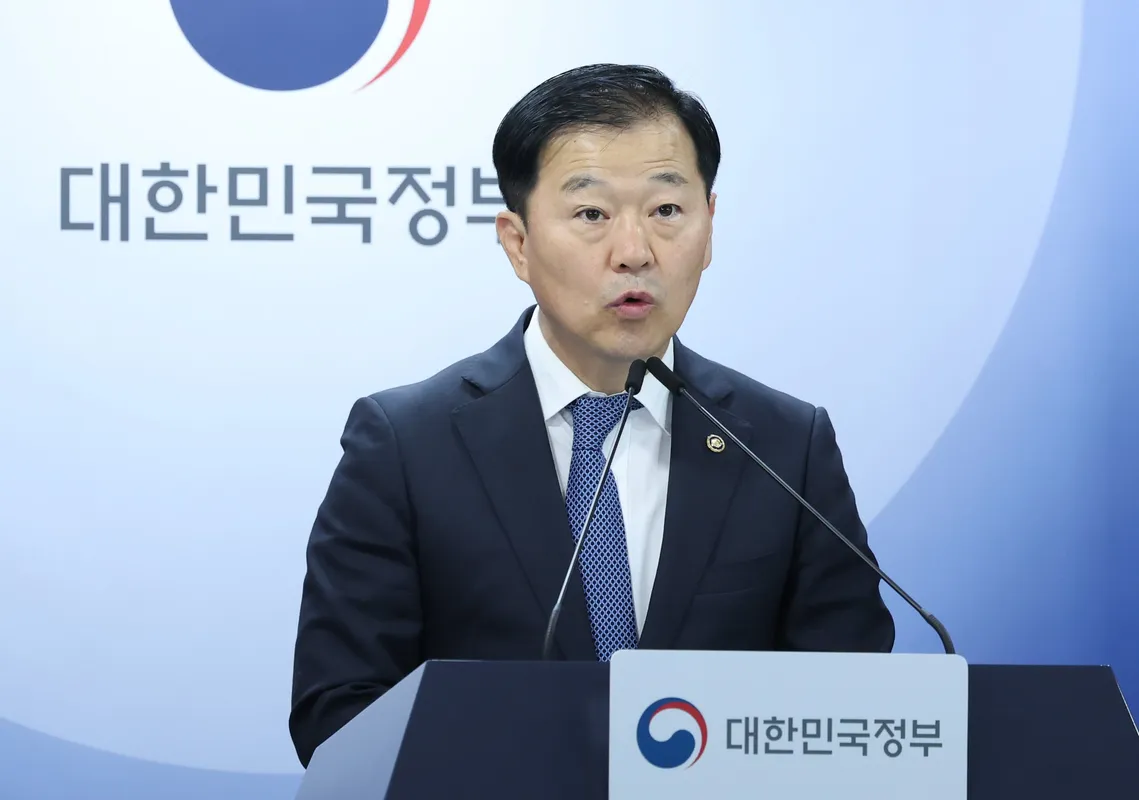
The government has decided to freeze the national health insurance premium rate for the upcoming year, maintaining it at the current 7.19%. This decision comes after a previous increase implemented just last year, marking the first time in three years the rate had been raised. The Ministry of Health and Welfare announced the decision following a meeting of the Health Insurance Policy Review Committee on December 8th.
Understanding the Health Insurance Premium
For employed individuals, the 7.19% premium rate is typically split equally between the employee and the employer. This means an employee’s direct contribution is 3.595% of their monthly income. For instance, if an individual earns 4 million won per month, their share of the health insurance premium remains 143,800 won, the same as in the current year. However, it’s important to note that even with a frozen premium rate, an increase in salary will naturally lead to a higher actual payment due to the percentage-based calculation.
Similarly, the method for calculating premiums for self-employed individuals, which is based on assets like property and land, will also remain unchanged. The standard assessment unit for these premiums is set at 211.5 won, consistent with the current year’s rates.
Government Rationale for Freezing Premiums
The government cited several key reasons for its decision to maintain the current premium rates. A primary factor is the current financial health of the national health insurance fund. Recent financial reports indicate that the fund has maintained a surplus for the past five years, suggesting that an immediate increase in premiums is not financially necessary.
Furthermore, the government anticipates an increase in national health insurance revenue for the next year. Budgetary allocations for national health insurance are projected to rise by approximately 1.1 trillion won. Coupled with an expected economic upturn, particularly in the semiconductor industry, the income of employed individuals is forecast to increase, leading to higher premium collections. Lee Hyung-hoon, the second vice minister of Health and Welfare, stated that an additional 3.8 trillion won in insurance revenue is expected due to the semiconductor industry’s recovery.
These factors combined – the current fund surplus and anticipated revenue growth – have led to the conclusion that freezing the premium rate is a viable option for the upcoming year without immediately jeopardizing the fund’s stability.
Concerns Over Long-Term Financial Sustainability
Despite the immediate relief provided by freezing the premium rates, concerns are mounting regarding the long-term financial sustainability of the national health insurance system. The rapid depletion of the reserve fund is a significant worry. This year, the national health insurance fund recorded a deficit of 2.8374 trillion won. Projections indicate that the total reserve fund, which stood at 30.2 trillion won at the end of last year, is expected to shrink to 27.3844 trillion won by the end of this year.
Analysis from the National Assembly Budget Office suggests that the health insurance finances have been in deficit since the current year, even excluding additional expenditures related to medical reforms. The office forecasts that the reserve fund could be depleted entirely by 2031. To maintain the legally mandated reserve fund, equivalent to 1.5 months of medical costs, it may be necessary to increase the premium rate by over 2% annually from 2028 to 2030.
Some observers have suggested that the government’s decision to freeze premiums might be influenced by political considerations, particularly in light of declining approval ratings for President Lee Jae-myung. This perspective posits that the government is mindful of the potential burden on households and opted for the freeze to mitigate public dissatisfaction.
Future Outlook and Potential Adjustments
The current decision to freeze premiums offers immediate financial relief to citizens and businesses. However, the underlying financial trends of the national health insurance system point towards potential future increases. The projected depletion of reserves and the need to maintain a minimum reserve level suggest that premium rates may need to be adjusted upwards in the coming years.
The government’s reliance on anticipated revenue growth, driven by economic recovery and increased incomes, is a key component of its strategy. The performance of key industries like semiconductors will play a crucial role in determining whether these revenue projections materialize. If economic conditions do not improve as expected, or if healthcare expenditures rise more rapidly than anticipated, the pressure to increase premiums could intensify sooner than projected.
As the nation navigates these financial challenges, ongoing monitoring of the health insurance fund’s status and careful consideration of policy adjustments will be essential to ensure the long-term viability and accessibility of national health insurance.
