

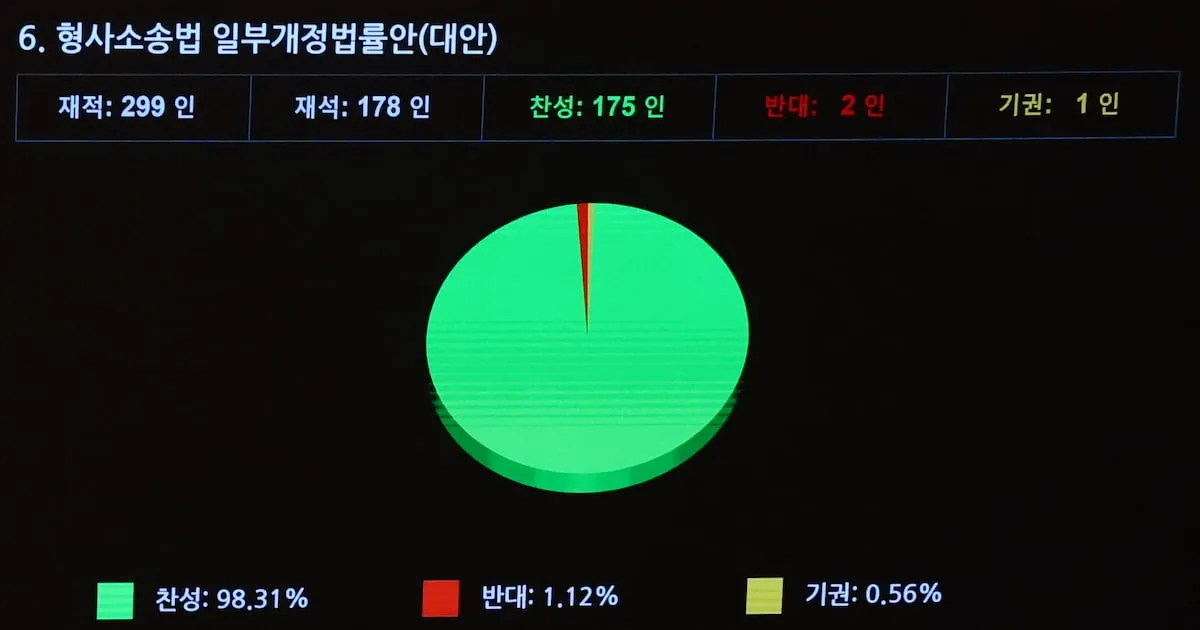
Several prominent women’s organizations have voiced strong disapproval following the National Assembly’s passage of a revised criminal procedure bill that effectively abolishes the prosecutor’s supplementary investigation rights. These groups argue that the amendment constitutes a “prosecutorial reform without victims,” failing to adequately consider the perspectives and needs of those affected by criminal acts.
Key Concerns Raised by Advocacy Groups
In a joint statement released on March 31st, organizations including the Korean Sexual Violence Counseling Center, the Women’s Human Rights Institute of Korea (affiliated with the Lawyers for a Democratic Society), the Association for Persons with Disabilities, the Korean Women’s Association, and the Korean Women’s Movement for Reunification expressed their dismay. They stated, “The amendment to the criminal procedure bill was processed under the leadership of the ruling party without reflecting the demands of victims of sexual violence and their support groups.”
The organizations highlighted several critical shortcomings in the revised law:
- Weakened Investigative Oversight: The groups contend that the revised bill shifts the primary mechanism for constraining investigative bodies from the Criminal Procedure Act to separate laws governing specific offenses. This, they fear, could lead to victims being excluded from necessary protections.
- Increased Burden on Victims: The amendment places a significant burden on victims to navigate separate, individual legal proceedings, particularly concerning issues like insufficient investigations. This effectively transfers the responsibility for addressing procedural shortcomings from the investigative authorities to the victims themselves.
- Lack of Victim Rights Protections: Crucial rights for victims, such as being informed about the progress of investigations, obtaining opinions before a case is closed, and participating in trial proceedings, were not incorporated into the revised law.
Statistics and Worries About Future Cases
The women’s groups pointed to statistics that underscore their concerns about the potential impact of these changes. They noted that following the adjustment of prosecutorial investigation rights in 2021, the number of “unreasonable dismissal” cases (cases where prosecutors decided not to indict) rose significantly. From 370,000 cases in 2021, this figure is projected to reach 600,000 by 2025. However, the rate of appeals against these dismissals has remained low, accounting for only 9% of all such cases.
This trend fuels apprehension among the advocacy groups. They expressed serious concerns about how the supplementary investigation requests from the Supreme Prosecutors’ Office, the prosecution’s office, and the Serious Crimes Investigation Office, along with demands for reinvestigation, will be handled. The worry is that these mechanisms may not effectively uncover the full truth in criminal cases.
Allegations of Political Motivation
The organizations further alleged that the “prosecutorial reform” has become a political maneuver aimed at achieving political victory rather than completing institutional reform. They lamented that victims are now forced to shuttle between the police, the prosecution, and specialized serious crime investigation units, enduring significant delays in their cases.
“Victims must endure investigation delays as they are sent back and forth between the police, the prosecution, and the Serious Crimes Investigation Office,” the statement read. “The reform has devolved into a political struggle for victory, rather than a process to perfect the system.”
Background of the Reform
The legislative changes stem from a broader effort to rebalance power within the South Korean justice system, particularly concerning the investigative authority of prosecutors. Historically, prosecutors held significant power in both investigation and indictment. The reform aims to decentralize some of this power, shifting more investigative responsibilities to the police and other agencies, while redefining the scope of prosecutorial oversight.
Supporters of the reform argue that it is necessary to prevent potential abuses of power and to ensure a more independent and efficient investigative process. They believe that by limiting the prosecutor’s ability to conduct supplementary investigations indefinitely, the reform will expedite case resolution and reduce the potential for prolonged legal battles that can be detrimental to victims.
However, critics, like the women’s groups, argue that the current implementation overlooks the practical realities faced by victims and may inadvertently weaken the overall effectiveness of the justice system in holding perpetrators accountable. The debate centers on finding the right balance between curbing prosecutorial power and ensuring robust protection and justice for victims.
Conclusion
The passage of the revised criminal procedure bill marks a significant shift in South Korea’s legal landscape regarding prosecutorial powers. While proponents view it as a necessary step towards a more equitable justice system, the strong objections from women’s rights organizations highlight ongoing concerns about victim protection and the potential unintended consequences of the reform. The effectiveness and fairness of the new system will likely be a subject of continued scrutiny and debate as its implications unfold in practice.
