

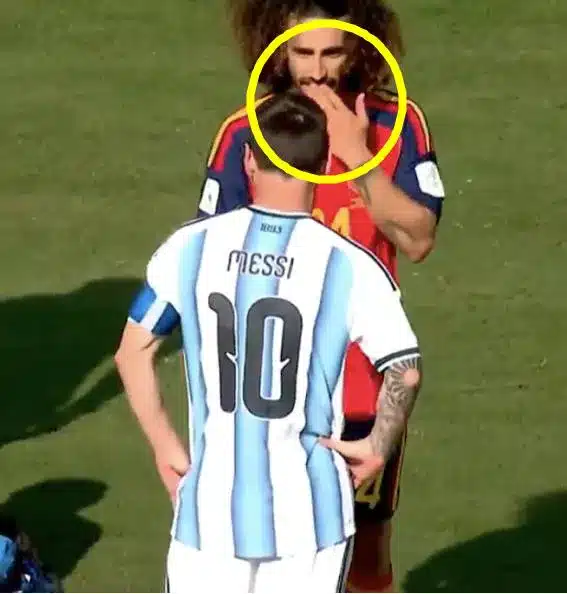
Lionel Messi, widely celebrated as one of football’s greatest players, faced criticism for his conduct during the recent World Cup, particularly concerning interactions with match officials and opponents. While Messi led Argentina to the final, his actions on the field have sparked debate, with some observers suggesting a lapse in sportsmanship.
Messi’s World Cup Journey and Emerging Criticisms
The 2022 FIFA World Cup saw Lionel Messi deliver a series of performances that captivated global audiences. Despite his advancing age, the Argentine superstar was instrumental in guiding his team to the final, competing fiercely for the Golden Boot and reaching the World Cup final for the second consecutive time. By most accounts, he met or exceeded expectations in every aspect of the tournament, save for the ultimate victory.
However, reports have highlighted specific incidents during the competition that have drawn scrutiny. The UK’s Mirror newspaper, in particular, pointed to Messi’s behavior, suggesting that his involvement in instances of “dirty play” by his teammates, and his own interactions with referees, were unbecoming of his stature. The publication noted that Messi seemed to act as if he were “above the law” in his dealings with match officials, with his immense presence sometimes intimidating referees.
The Controversial Incident with Referee Vinčić
A key moment cited by critics occurred during the quarter-final match against the Netherlands. Following the expulsion of Argentinian forward Enzo Fernández, several Argentine players surrounded Slovenian referee Slavko Vinčić. During this confrontation, Spanish player Marc Cucurella was seen covering his mouth while speaking to Messi. Messi then appeared to relay something directly to Vinčić, leading to accusations of Messi attempting to influence the referee’s decisions.
This action by Messi drew sharp criticism, with the Mirror describing it as “uncharacteristic behavior.” The report emphasized that Messi, given his legendary status, should not engage in such tactics, suggesting it was a moment where he acted “like a petulant child.” This behavior, the outlet argued, diminished his own dignity and reputation.
FIFA’s Rules and Messi’s Actions
FIFA had implemented a rule for this World Cup specifically prohibiting players from covering their mouths when speaking to opponents or officials, a measure intended to prevent verbal abuse. While Messi’s action involved speaking to the referee, the context of the situation raised questions about his intent. The report suggested Messi may have been attempting to leverage this rule, or at least the perception of it, to his advantage.
Furthermore, the Mirror’s analysis questioned the severity of Cucurella’s action, noting that the Spanish player had only briefly covered his mouth with a few fingers, not his entire hand. This detail, according to the report, meant it might not have constituted a clear violation of the FIFA rule. The newspaper concluded that Messi’s reaction in this instance was a self-inflicted blow to his own pride and standing.
Broader Concerns About Argentina’s Tournament Conduct
The criticism of Messi’s conduct is part of a larger narrative surrounding Argentina’s overall behavior during the tournament. Some observers have pointed to a pattern of aggressive and unsportsmanlike actions from various Argentine players, not just in isolated incidents but throughout their campaign. This has led to widespread condemnation from football fans globally, who view such behavior as detrimental to the spirit of the game.
The report concluded by reflecting on Messi’s potential legacy. If this World Cup was indeed his last, the manner in which it concluded, marked by these controversies, would leave a significant and regrettable asterisk on his otherwise illustrious career. The article suggested that such moments, regardless of the outcome of the final match, would be remembered with considerable disappointment.
Conclusion: A Legacy Under a Microscope
Lionel Messi’s performances on the pitch during the World Cup were largely exceptional, solidifying his place in football history. However, the incidents involving his interactions with officials and opponents have cast a shadow over his achievements. The debate centers on whether these actions align with the image of sportsmanship expected from a player of his caliber. While his immense talent is undeniable, the scrutiny of his conduct raises important questions about the conduct of players, especially those in the global spotlight, and their responsibility to uphold the integrity of the sport.
