

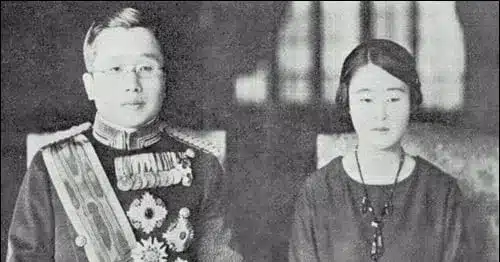
Yi Bang-ja (1901-1989), wife of Prince Yeongchin (1897-1970), Japan’s last imperial consort, navigated a life marked by royal duty and profound sorrow. Known publicly as a ‘princess’ in narratives but privately as ‘Mama’ or ‘Consort Jeonha’ among attendants, she aspired to become the empress of the fallen Korean monarchy.
Early Life and Arranged Marriage
Born in 1901 as the fifth daughter of Marquis Mori Masako in Japan’s Meiji Imperial Palace, Yi Bang-ja entered into an arranged marriage at age 15 in 1916 with the 19-year-old Prince Yeongchin. The prince, nine years her senior, had lost his first wife in 1907 and lived with a concubine.
The marriage faced immediate scrutiny due to cultural differences. At 80, Yi Bang-ja reflected during the 13th ‘Exhibition on the Imperial Family – Prince Yeongchin’s Environment’ on December 9, 1981: “Everything in Jeonha’s life reflected my correct decision. The notion of harmony with Japan stemmed from that choice. At 16 (actually 15), this young bride overwhelmed me with fear upon seeing the letters. The prince’s warmth and demeanor made my heart ache. Even Prince Uiseong’s consort treated me kindly. Our marriage proved beneficial. I too fell deeply in love.”
Trials of Independence and Family Tragedy
Yi Bang-ja described herself as a ‘victim of righteous marriage’ even to her husband. She recounted: “Jeonha viewed this marriage with suspicion… Despite fearing the letters that gripped my heart, it was not the consort’s intent but an unavoidable circumstance. Raised with imperial dignity and matching intellect, I came to Japan. Hearing ‘How unfortunate…’ I thought, ‘No proper righteous marriage…’ Yet we became fellow sufferers, sharing deep emotions.”
Marriage rites formalized on January 25, 1919, but four days earlier on January 21, world events intervened with the March 1 Movement. Documents confirm the assassination attempt. Amid independence fervor, Japan suspected the imperial consort’s Japanese wife, confining Yi Bang-ja under palace supervision before educating her in loyalty.
She reaffirmed: “No matter the era, I share this fate and destiny.” On April 28, 1920, Yi Bang-ja bore a son, Jin, who died on August 18 after eight months. Records note Joseon palace shock at Yi Wang-jong’s 29th ‘tanseong’ for the infant. Taking the child to Japan, she first visited Joseon on April 26, 1922, meeting Sucheon Myeong Hwan-yeong.
The Heartbreak of Loss
Yi Bang-ja grieved deeply: “I only held Jin briefly before leaving. No clues remain. Seoul fades from memory, but I cannot forget Jin’s weight. That child was my life’s joy at 22.” Jin’s cause: ‘sudden convulsion’. Overwhelmed by grief, she wept.
She detailed the tragedy: “First visit to the new homeland. Jeonha and I welcomed our first child Jin. North of Busan, more than expected despite premonitions, but upon return, anxiety overwhelmed. Cherished Jin became sacrifice. His convulsions stemmed from unavoidable reasons, yet thoughts persist: no good cause. In this era without reason, Seoul’s emergence proved fateful… (…) Whatever the thought, grief gripped me. Mother’s love spans months. Yi Bang-ja endured, but that child’s untimely death pierced my heart. If the one who killed the prince (father-in-law) had mercy… Tears flowed ceaselessly, emotions surged.”
Repatriation After 54 Years
After Japan’s defeat, Yi Bang-ja registered as a ‘repatriate Korean’ with Prince Yeongchin. Land reforms stripped imperial assets, reducing her to commoner status, yet she reclaimed Korean nationality. To aid second son Gu’s U.S. studies, she bore another child in December 1931, nine years post-Jin.
Unable to return due to national issues, repatriation occurred November 22, 1963, after 54 years. Prince Yeongchin, speechless in illness, passed May 1, 1970.
Yi Bang-ja shared: “Korea and Japan. As imperial consort’s southern wife, becoming one person’s spouse and another’s enemy formed intense drama climaxing in return after 1.5 hours in homeland. Kimpo Airport’s welcome impressed. Ambassadors and envoys attended. National figures bowed to Jeonha and me. After 54 years, Jeonha uttered no regrets.”
Later Years and Legacy
Post-repatriation, Yi Bang-ja engaged socially, establishing Myeonghwiwon under Sahoebongjip, promoting jazz, chilbo, and grim events. She affirmed Korean identity in 1975: “I am Korean citizen. Nationality is Korean. Those returning from Jeonha’s side became Japanese, but I reject that, loudly declaring pride.”
Passing April 30, 1989, at 88 in the nation, her funeral drew crowds mourning Prince Yeongchin’s kin. Grandson Deokhye Ongju died April 21. Joseon royalty’s complete saga concluded. Sources note Yi Bang-ja’s passing symbolized 500 years of Joseon imperial reality, unmatched even by Deokhye’s demise. Cultural officials received vast inheritance, including 1.2 million won in life allowances and charity.
