

Prosecutors are requesting a reinvestigation into a case where a patient died after receiving a blood transfusion of the wrong blood type at a university hospital in Seoul. The incident, which occurred in September 2024, has raised serious questions about medical procedures and patient safety protocols.
Patient Admitted in Critical Condition, Transfusion Error Occurs
The patient, identified as Mr. A, was rushed to the emergency room in September 2024 after suffering a cardiac arrest. During the process of administering a blood transfusion to stabilize his condition, medical staff reportedly gave him Type A blood. However, it was later discovered that the patient’s actual blood type was Type O. This critical error in blood type matching is believed to have contributed to the patient’s subsequent decline.
Following the transfusion, Mr. A’s condition worsened significantly. Approximately one month later, he passed away. His bereaved family subsequently filed a complaint against the medical staff, alleging professional negligence and gross negligence in the handling of the case.
Police Initial Findings and Prosecutor’s Request for Reinvestigation
The Seongbuk Police Station, which initially handled the case, concluded that the accident occurred due to an insufficient verification process by the emergency room nurses. However, the police decided not to forward the case to prosecutors on charges of professional negligence. Their reasoning was based on several factors, including the patient’s already critical state upon arrival at the hospital and a lack of sufficient electronic medical record (EMR) input at the time due to a system overload.
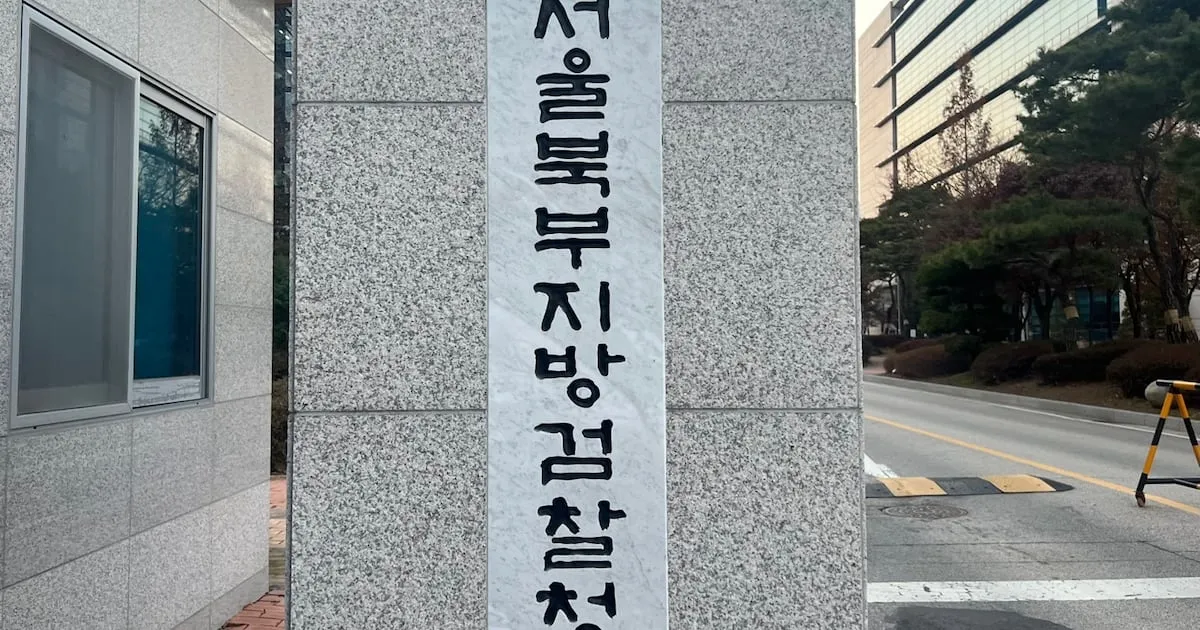
Despite the police’s initial decision, the prosecution has now called for a further investigation. The Seoul Northern District Prosecutors’ Office requested the police to reinvestigate the case on March 21st. The prosecution’s move suggests that they believe there are still unanswered questions and a need for a more thorough examination of the facts and circumstances surrounding the fatal transfusion error.
Key Issues Under Scrutiny
The core of the investigation revolves around the medical team’s failure to correctly identify and administer the appropriate blood type. Several critical points are likely to be examined during the reinvestigation:
- Blood Type Verification Protocols: The effectiveness and adherence to established procedures for verifying patient blood types before transfusion will be a primary focus. This includes checking patient records, cross-matching blood samples, and the final confirmation steps before administration.
- Emergency Room Procedures: The investigation will likely scrutinize the specific protocols within the emergency room during high-pressure situations. This includes how nurses and doctors confirm patient identity and medical information when dealing with critical cases and potential system limitations.
- Medical Staff Accountability: Prosecutors will aim to determine the extent of negligence, if any, on the part of the medical professionals involved. This includes assessing whether actions taken were within the standard of care expected in such medical emergencies.
- Systemic Issues: The role of any potential systemic failures, such as EMR system overload or inadequate staffing, will also be considered as contributing factors, though not necessarily absolving individual responsibility.
The Importance of Accurate Blood Transfusions
Blood transfusions are a common and often life-saving medical procedure. However, they carry inherent risks if not performed with the utmost precision. The ABO blood group system is crucial, as transfusing incompatible blood can lead to a severe immune reaction known as a hemolytic transfusion reaction. In such reactions, the recipient’s immune system attacks the transfused red blood cells, leading to their destruction. Symptoms can range from fever and chills to kidney failure and, in severe cases, death.
The correct identification of blood types relies on meticulous laboratory testing and careful cross-referencing of patient information. Hospitals typically have multi-step verification processes involving laboratory technicians, nurses, and physicians to minimize the risk of errors. These safeguards are in place precisely because the consequences of a mistake can be so dire.
Next Steps in the Investigation
The prosecution’s decision to request a reinvestigation indicates that they are not satisfied with the initial police findings. The goal of the reinvestigation will be to gather more comprehensive evidence, potentially including further interviews with medical staff, a review of all available medical records, and possibly expert medical opinions. The prosecution will seek to establish a clearer picture of the events leading up to Mr. A’s death and determine whether criminal charges are warranted against any individuals involved in the medical care provided.
This case highlights the critical importance of stringent safety measures in healthcare settings and the need for thorough accountability when errors occur, especially when they result in tragic outcomes. The reinvestigation aims to ensure that all aspects of the incident are fully understood and that justice is served for the patient and his family.
