

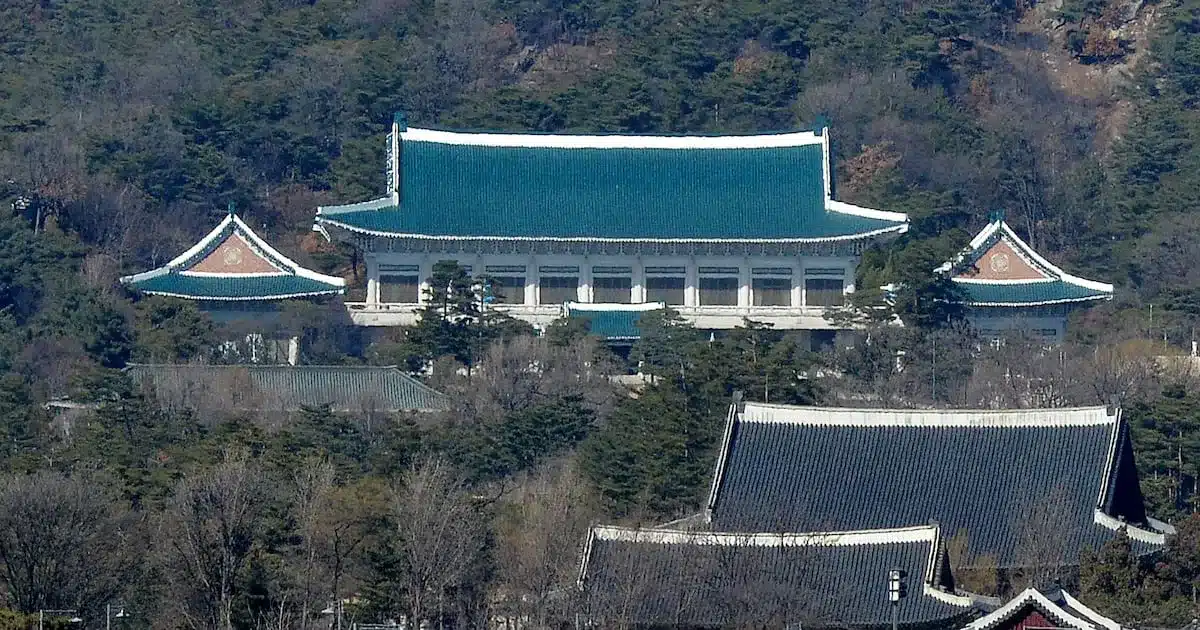
South Korea is closely observing potential new tariff policies from the United States concerning semiconductors, with government officials stating a commitment to close consultation with U.S. counterparts to prevent any adverse effects on domestic industries. The Blue House, South Korea’s presidential office, confirmed it is actively monitoring the situation and plans to engage in detailed discussions with the U.S. to ensure Korean companies are not negatively impacted.
U.S. Commerce Secretary Hints at Targeted Semiconductor Tariffs
The focus on semiconductor tariffs emerged following remarks by U.S. Commerce Secretary Wilbur Ross. During an interview with CNBC, Ross indicated that the U.S. intends to implement a “targeted and thoughtful tariff policy” for semiconductors. He drew a parallel to the Trump administration’s approach to pharmaceutical tariffs, where companies manufacturing innovative medicines in the U.S. were offered tariff exemptions, and Most Favored Nation (MFN) status was upheld. Ross suggested a similar framework could be anticipated for the semiconductor sector.
While specific details of the proposed U.S. semiconductor tariff measures remain unconfirmed, a senior South Korean official noted that the government is aware of the potential implications. The official emphasized that the exact nature and scope of these tariffs are not yet finalized, and South Korea is awaiting further clarification from the U.S. side.
South Korea’s Semiconductor Industry and Global Position
South Korea is a global powerhouse in the semiconductor industry, home to major manufacturers like Samsung Electronics and SK Hynix. These companies play a critical role in the global supply chain, producing a wide range of semiconductor products, from memory chips to advanced logic components. Any new U.S. tariffs could potentially disrupt these established supply chains, affecting production costs, export competitiveness, and overall market dynamics.
The semiconductor sector is characterized by intricate global production networks. Raw materials, manufacturing equipment, and intellectual property are often sourced from various countries, with final products assembled and distributed worldwide. Tariffs imposed at any stage of this process can have cascading effects, increasing the cost of finished goods and potentially leading to retaliatory measures from other trading partners.
Potential Impacts of U.S. Tariffs
- Increased Production Costs: Tariffs on imported semiconductor components or finished goods could raise manufacturing expenses for both U.S. and South Korean companies.
- Supply Chain Disruptions: Uncertainty surrounding tariff policies can lead to delays in sourcing materials and components, impacting production schedules.
- Reduced Competitiveness: Higher costs due to tariffs could make South Korean semiconductor exports less competitive in the U.S. market and potentially other global markets if similar measures are adopted.
- Investment Uncertainty: The prospect of new trade barriers might deter future investments in semiconductor manufacturing and research and development.
- Geopolitical Tensions: Trade disputes in critical technology sectors like semiconductors can exacerbate broader geopolitical tensions between major economic powers.
Government Response and Diplomatic Efforts
In response to Secretary Ross’s comments, the South Korean government has signaled its proactive stance. The Blue House’s statement underscores a strategy of close monitoring and active dialogue. This approach aims to gather precise information about the U.S. proposals and to articulate South Korea’s concerns and interests effectively.
The government’s strategy involves several key components:
- Information Gathering: Diligently collecting data and intelligence regarding the specifics of the proposed U.S. tariff policies.
- Bilateral Consultation: Maintaining open and continuous communication channels with U.S. officials to discuss the potential impacts and explore mitigation strategies.
- Industry Support: Assessing the potential impact on South Korean semiconductor companies and preparing measures to support them if necessary.
- International Cooperation: Potentially engaging with other affected nations to present a unified position or seek multilateral solutions if the tariffs have broad international implications.
Officials have reiterated that while the U.S. Commerce Secretary’s remarks provide some indication, the concrete details of any new semiconductor tariff regime are still pending. This leaves room for diplomatic engagement and potential adjustments to the U.S. policy before it is finalized.
Context on Other Trade Discussions
The discussion around semiconductor tariffs occurs amidst broader trade dialogues between the U.S. and its allies. Notably, U.S. President Donald Trump recently mentioned South Korea and Japan in connection with the Alaska liquefied natural gas (LNG) project, stating, “We are going to Alaska together.” Regarding this specific remark, the South Korean official stated that it was difficult to confirm the detailed context of investment projects related to U.S. discussions.
This broader context highlights the complex web of trade and investment relationships that the U.S. is navigating. While the Trump administration has pursued a protectionist trade agenda in certain sectors, it has also sought cooperation and investment from key allies in other areas. The semiconductor sector, being a critical component of national security and economic competitiveness, is likely to remain a focal point of U.S. trade policy discussions.
Conclusion
South Korea’s government is taking a measured and proactive approach to the potential imposition of U.S. semiconductor tariffs. By closely monitoring developments and engaging in direct dialogue with the United States, Seoul aims to safeguard the interests of its vital semiconductor industry. The outcome will depend on the specifics of the U.S. policy and the effectiveness of ongoing diplomatic efforts to ensure a stable and predictable global trade environment for this crucial technology sector.
