

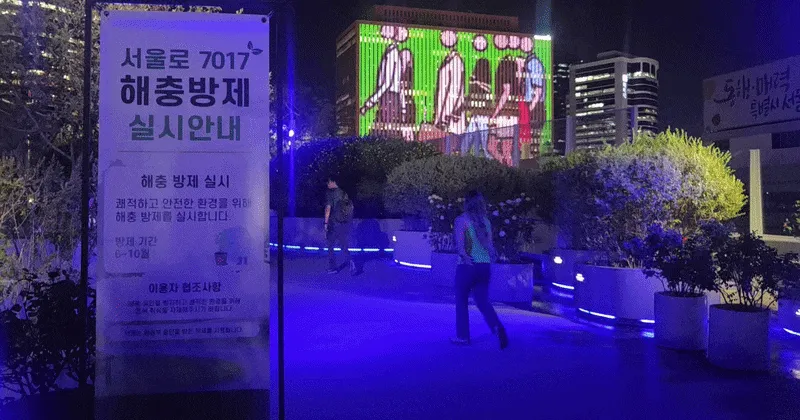
Seoullo 7017, a popular elevated pedestrian walkway in Seoul, has seen a dramatic reduction in cockroach sightings following a targeted pest control initiative. Three months after initial reports highlighted a significant cockroach infestation, a recent visit revealed a starkly different scene, with visitors enjoying the autumn air without the previous nuisance.
Cockroach Problem at Seoullo 7017
In June, Seoullo 7017, which transformed an old overpass near Seoul Station into a public park, was reportedly experiencing a significant cockroach problem. Numerous reports indicated that dozens of cockroaches would emerge nightly, particularly around flowerbeds and benches. This led to concerns about the adequacy of pest control and facility management for the popular tourist attraction, which draws over six million visitors annually.
At the time, interviews with over ten visitors confirmed that sightings were common. The issue gained traction following media reports that detailed the extent of the infestation and questioned the city’s management of the urban regeneration project.
City’s Response and Pest Control Measures
In response to the public outcry and documented evidence, the Seoul Metropolitan Government, in conjunction with the Jung-gu Public Health Center, launched a concentrated pest control campaign. The management office for Seoullo 7017 began daily monitoring of cockroach activity at key locations starting June 25th.
The primary species identified during the initial inspection was the Japanese cockroach (‘Ilbonbakwi’), known to favor humid environments and often found in urban green spaces and near planters. The city’s assessment suggested that the large planters and structural elements of Seoullo 7017 might have provided ideal habitats for these pests.
Targeted Extermination Efforts
Specialized pest control companies and the Jung-gu Public Health Center were engaged to implement a rigorous extermination program. To ensure the safety of the public, especially in high-traffic areas like benches where people sit, pest control agents with low human toxicity were used. Additionally, bait-type insecticides were placed in separate containers to prevent accidental contact by pets or children.
Professional pest control operators and the health center alternated their extermination operations approximately every 15 days. As of August 8th, another round of extermination was completed, with the Jung-gu Public Health Center scheduled for further treatment on August 21st.
Monitoring and Reduced Sightings
The Seoullo 7017 management office has been conducting nightly surveillance since June 25th, with security personnel monitoring key areas for cockroach activity at 10 PM. Despite 82 days of monitoring, no additional cockroaches have been confirmed at the previously identified hotspots, including areas around public resting spots and Magnolia planters.
This diligent monitoring, coupled with the intensive pest control efforts, appears to have yielded positive results. Social media posts regarding cockroach sightings at Seoullo 7017 have also significantly decreased since late July.
Seasonal Factors and Ongoing Management
While the reduction in sightings is encouraging, officials caution against definitively concluding that the cockroaches have been completely eradicated. Seasonal factors, such as the drop in temperature compared to June, likely contribute to reduced cockroach activity. As temperatures decrease, cockroaches naturally become less active.
Nevertheless, the Seoul city government plans to continue pest control measures until October, before cockroaches enter their hibernation period. Even if no cockroaches are observed, twice-monthly extermination treatments and daily evening monitoring will persist. The city also plans to continue facility improvements and enhance the pedestrian environment.
Future Improvements and Commitment
Further enhancements to Seoullo 7017 are underway. By August 18th, additional Gukwha (chrysanthemum) flowers will be planted to create a more scenic autumn walking route. Next month, maintenance work will include repainting wooden facilities and repairing concrete planters, known as ‘Tree Pots’.
A representative from the Seoullo 7017 management office emphasized the walkway’s importance as a vital thoroughfare for commuters and a popular lunch spot for office workers. The office reiterated its commitment to ongoing pest control and continuous improvement of the walking environment to ensure a pleasant experience for all visitors.
The success at Seoullo 7017 demonstrates the effectiveness of a comprehensive approach combining targeted pest control, regular monitoring, and facility improvements. By addressing the root causes and maintaining vigilance, the city aims to preserve the appeal of this unique urban space.
