

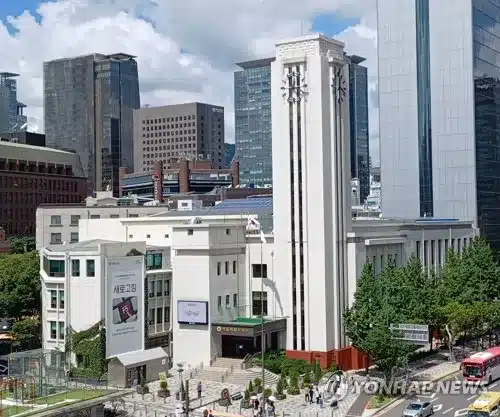
The 11th Seoul Metropolitan Council has concluded its four-year term, marked by the resolution of contentious issues, including the discontinuation of funding for TBS (Seoul Traffic Broadcasting) and the introduction of a proposed policy for senior citizen bus fare support. Throughout its tenure, the council navigated a landscape of public debate, processing a significant volume of legislative proposals impacting various aspects of citizens’ lives.
Key Legislative Actions and Debates
During its final sessions, the council addressed a range of significant ordinances. Among the notable proposals was one introduced by Lee Byung-do, a member of the Democratic Party, concerning support for middle-aged job seekers. This ordinance aimed to provide employment counseling and support for individuals aged 40 to 65. The council’s work extended beyond this, touching upon diverse areas such as transportation, housing, welfare, and education, with numerous bills passing through its legislative process.
Discontinuation of TBS Funding
A highly debated issue during the council’s term was the proposed dissolution and operational termination of TBS. This initiative, put forth by the People Power Party shortly after the council’s inauguration, stemmed from criticisms regarding the perceived political bias in some of its programs, such as ‘Kim Eo-jun’s News Factory.’ The intention behind the proposal was to halt Seoul’s financial support for TBS, thereby mitigating perceived political leanings. After intense debate, the proposal was passed in November 2022. Consequently, Seoul’s financial contributions to TBS ceased starting in June 2024.
Student Rights Ordinance Debate
Another significant point of contention involved the student rights ordinance. Initially promulgated by the Seoul Metropolitan Office of Education in 2012, the ordinance was praised for its progressive stance on viewing students as individuals rather than mere instruments. However, it also faced criticism for potentially infringing upon teachers’ educational authority. The council moved to abolish this ordinance. Despite requests from educators to reconsider the abolition, the council passed the termination bill in June 2024. A subsequent ordinance, ‘On the Rights and Responsibilities of School Constituent Members,’ was enacted to supplement the revised educational framework. However, the full implementation of the ordinance’s abolition remains pending, as the Seoul Metropolitan Office of Education has filed a lawsuit with the Supreme Court seeking a nullification of the lower court’s ruling, awaiting the final judicial decision.
Other Policy Adjustments
The council also revisited policies from previous administrations. In 2022, the council approved a 10 billion won reduction in the budget proposed by the Seoul Metropolitan Government for the Seoul Metropolitan Corporation. This move effectively halted the ‘affordable registration fee’ policy, which had been initiated during the tenure of former Mayor Park Won-soon. Additionally, ordinances supporting community initiatives like ‘Maeul Gong-dongche’ (village communities), also part of the ‘Park Won-soon Fare’ policies, were rescinded.
Introduction of Senior Citizen Transportation Support
In its final plenary session this month, the council approved an ordinance proposing financial support for bus fares for citizens aged 70 and above. This decision paves the way for the implementation of a new transportation welfare system, aligning with a campaign pledge by Mayor Oh Se-hoon. This initiative represents a significant step towards expanding public transportation benefits for the elderly population.
Council Performance and Statistics
Over its term, the 11th Seoul Metropolitan Council processed a total of 3,804 legislative proposals. This figure represents a substantial increase compared to previous councils: the 10th council handled 3,332 proposals, the 9th dealt with 2,630, the 8th with 1,931, and the 7th with 1,373. This indicates a heightened level of legislative activity during the 11th council’s term.
Leadership and Notable Events
The council’s term was not without its unique milestones and challenges. Choi Ho-jung, elected as the Speaker for the latter half of 2024, made history as the first female speaker in the council’s 68-year history since its establishment in 1956. Conversely, the council also saw its share of controversies and departures. Former council member Jung Jin-sook, previously of the Democratic Party, was dismissed from her position in 2023 due to an alleged ‘rank violation.’ The council experienced further disruptions towards the end of its term due to the resignations of several members. Former council member Kim Gyeong, also from the Democratic Party, faced an investigation for alleged embezzlement but avoided dismissal after submitting his resignation in January of this year. Similarly, former council member Ok Jae-eun, affiliated with the People Power Party, resigned from her seat amid allegations of corruption. These events led to a reduction in the council’s membership from its initial 112 members to an anticipated 106 by the end of its term, with some members resigning to run in district mayor elections.
Transition to the 12th Council
The 12th Seoul Metropolitan Council is set to commence its term on July 1st. A significant shift in political dynamics is evident, with the Democratic Party securing over two-thirds of the seats, holding 80 out of the total 118 seats. This contrasts sharply with the 11th council, where the People Power Party held a majority, actively supporting Mayor Oh Se-hoon’s administration. The incoming 12th council is expected to play a more assertive role in scrutinizing the mayor’s policies. However, it also faces the crucial task of collaborating with the administration when necessary for the benefit of Seoul’s citizens.
Concluding Remarks from the Speaker
Outgoing Speaker Choi Ho-jung reflected on the council’s work, expressing a desire for its legacy to provide a sense of refreshing relief, akin to a cool breeze on a hot summer day. She conveyed her hopes that the 12th council will foster greater hope for the citizens of Seoul.
Key Takeaways
- The 11th Seoul Metropolitan Council concluded its term, processing 3,804 legislative proposals, a record number.
- Key decisions included the discontinuation of funding for TBS and the approval of a senior citizen bus fare support ordinance.
- The council debated and acted on the controversial student rights ordinance, with its final implementation pending court decisions.
- Notable events included the election of the first female council speaker and several resignations due to corruption allegations or electoral bids.
- The upcoming 12th Seoul Metropolitan Council will see the Democratic Party holding a significant majority, potentially altering the political dynamics with the mayor’s office.
Frequently Asked Questions
What was the main focus of the 11th Seoul Metropolitan Council’s final term?
The council focused on resolving contentious issues, including the funding for TBS and the implementation of new welfare policies like senior citizen bus fare support, while also processing a record number of legislative proposals.
What significant policy changes were made regarding TBS?
The council voted to discontinue Seoul’s financial support for TBS, a decision that took effect in June 2024, following debates over its perceived political bias.
What is the outlook for the 12th Seoul Metropolitan Council?
With the Democratic Party holding a strong majority, the 12th council is expected to play a more assertive oversight role but will also need to find avenues for cooperation with the city administration for the benefit of citizens.
